Skip to content

Login  |  Sign Up

Translation Priority: Optional

4G modules: LTE Cat 1 bis

Relevant industries

Asset tracking

Asset tracking

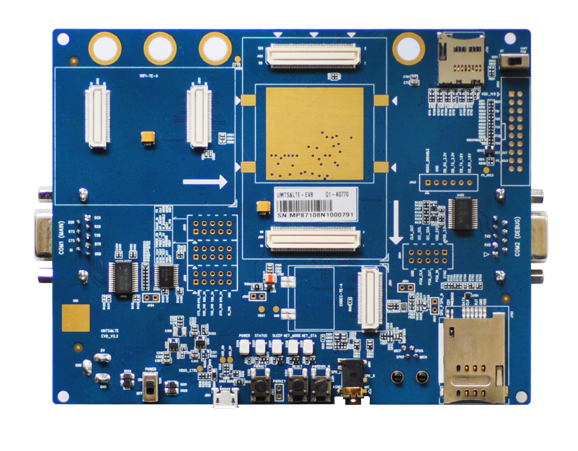
UMTS & LTE EVB kit

UMTS & LTE EVB kit

Events

NEPCON Thailand 2026

NEPCON Thailand 2026

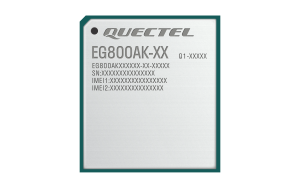
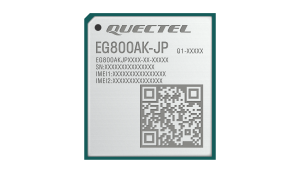
LTE Cat 1 bis is a form of cellular technology designed to connect the large middle tier of 4G IoT devices that need dependable performance without the complexity and cost of higher-end LTE variants. In terms of speed and power it sits between LPWA technologies such as LTE-M and NB-IoT and higher LTE categories – supporting voice, messaging, and data transfer at moderate speeds. LTE Cat 1 bis modules enable firmware updates, location reporting, and real-time communication in cost-efficient IoT products.

Use of LTE Cat 1 bis is expanding rapidly, and it is expected to remain a core IoT connectivity option well into the next decade while LTE networks continue to operate worldwide. The technology offers data rates of 10Mbps downlink, low latency, and strong mobility support, with a single antenna design. This creates an attractive balance of performance, efficiency, compactness, and cost compared with LTE Cat 4, LTE-A or 5G solutions.

Devices such as point-of-sale terminals, smart meters, security alarms and industrial handheld scanners commonly use LTE Cat 1 bis. Industries using LTE Cat 1 bis technology include retail, logistics, smart cities, utilities, and healthcare. Delivery drivers, shop staff, building managers, and many others rely on Cat 1 bis devices to process payments, monitor energy use, protect property, track valuable goods, and more.

This technology opens new commercial opportunities for mid-tier IoT applications that require enhanced performance at low cost, while ongoing advances in chipset efficiency and roaming support will further strengthen the ecosystem. Our LTE Cat 1 bis modules provide compact form factors, global frequency support, and long product lifecycles. Meanwhile, our design expertise, certification support, and broad product portfolio make Quectel the ideal end-to-end IoT solutions provider for device developers planning to build reliable connected devices in this space.

  • Asset trackers
  • Data cards
  • Energy monitoring
  • Home automation
  • Industrial routers
  • Industrial PDAs
  • Point-of-sale (POS) terminals
  • Security panels
  • Smart meters
  • Vehicle telematics units

  • Module Dimensions Regions Form factor See more
    23.6mm × 19.9mm × 2.4mm
    China/India
    EMEA/Brazil/Australia/New Zealand
    Latin America
    LGA
    29.0mm × 25.0mm × 2.4mm
    Global
    Europe/APAC/Latin America
    LGA
    28.0mm × 31.0mm × 2.4mm
    China/India
    EMEA/Australia/New Zealand
    Latin America
    LCC
    15.8mm × 17.7mm × 2.4mm
    Europe
    North America
    LGA
    23.6mm × 19.9mm × 2.4mm North America LGA
    26.5mm × 22.5mm × 2.4mm Global LGA
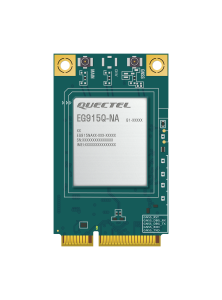
    51.0mm × 30.0mm × 4.9mm North America Mini PCIe
    17.7mm × 15.8mm × 2.4mm
    China/India
    Europe/Australia/New Zealand
    Latin America
    LGA
    17.7mm × 15.8mm × 1.7mm
    China/India
    Europe/New Zealand/Australia
    Latin America
    LGA
    23.6mm × 19.9mm × 2.4mm EMEA LGA
    17.7mm × 15.8mm × 2.4mm
    Europe/New Zealand/Australia
    Argentina/Mexico/Brazil
    Global
    LGA
    17.7mm × 15.8mm × 2.4mm Japan LGA

Get in touch

RF coax cables

Coax cable selection can make a huge difference to device performance

Relevant industries

Payment

Payment


Antenna Services

Antenna Services


Events
SIDO Lyon 2026

SIDO Lyon 2026


Coaxial cables (or ‘coax cables’) are designed to transmit radio frequency (RF) signals with minimal loss and interference. Coax cable selection can make a huge difference to the performance of your system. The attenuation, frequency range, shielding, and even bend radius all play a role in how well your RF design works.
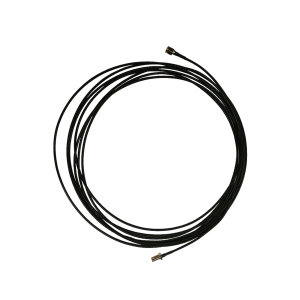
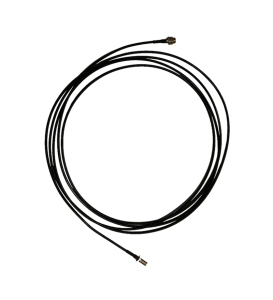
We supply high-quality RF micro-coax and full-size RF coax assemblies to our customers. We build these for consistent, reliable performance across a wide range of applications. Whether you’re developing compact IoT devices, integrating antennas into consumer electronics, or building communication and industrial equipment, our cables are designed to deliver clean, stable signals without unnecessary loss or interference.

Our range covers everything from ultra-thin micro-coax options like 0.81mm, 1.13mm, 1.32mm, and 1.37mm all the way up to thicker, low-loss coax such as RG-series cables and LMR types up to LMR400. We can produce almost any connector combination you need – including U.FL, MHF, MMCX, MCX, SMA, SMB, TNC, N-Type, and others – with assemblies customized to your required lengths, connector orientations, labels, and electrical specifications.

We manufacture every cable with care then inspected and tested them to ensure stable performance in high-frequency environments. Whether you need a standard off-the-shelf item or a custom build for a specific design, we focus on delivering cables that meet the technical requirements of your project and integrate cleanly into your system.

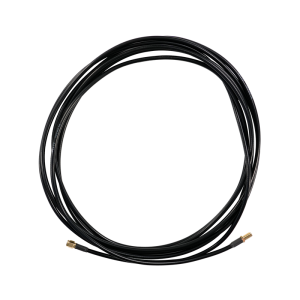
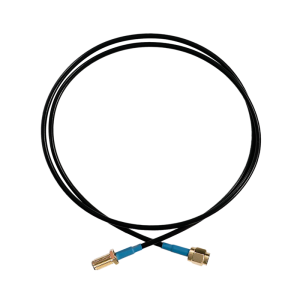
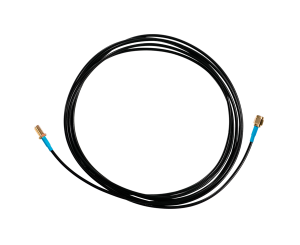
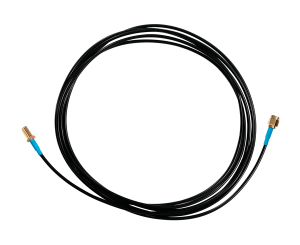
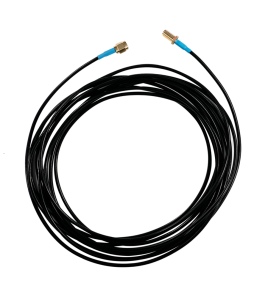
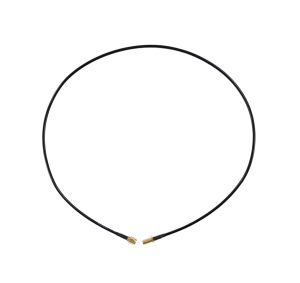
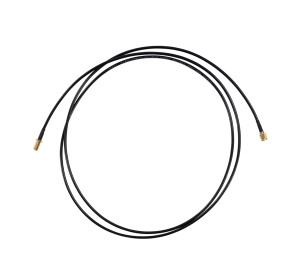
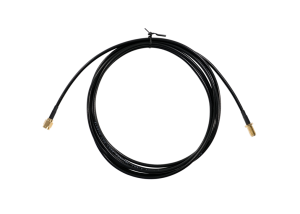
  • Image Description Cable type Lengths See more
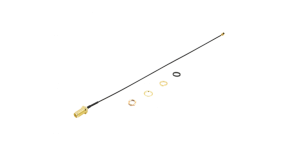
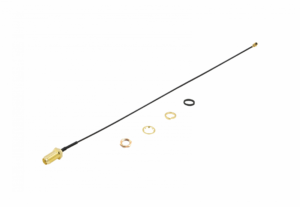
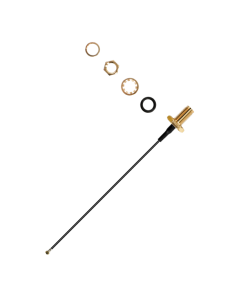
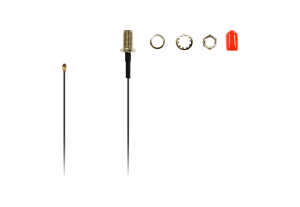
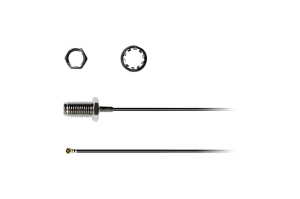
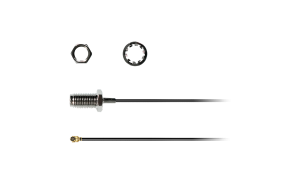
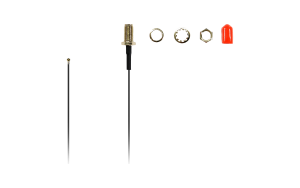
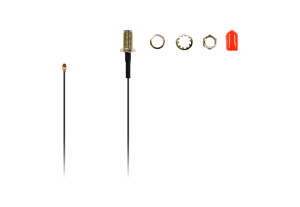
    DC~6GHz SMA female to IPEX MHF1 cable with an O-ring RF1.13
    100mm
    150mm
    200mm
    250mm
    300mm
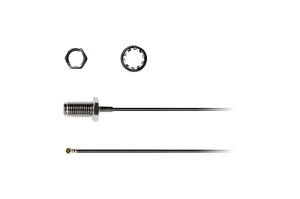
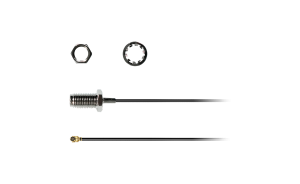
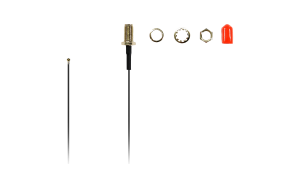
    DC~6GHz RP SMA female to IPEX MHF1 cable with an O-ring RF1.13
    100mm
    150mm
    200mm
    250mm
    300mm
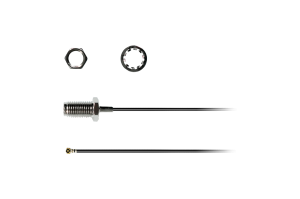
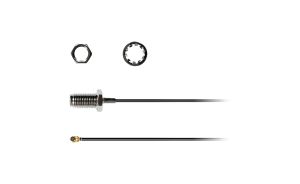
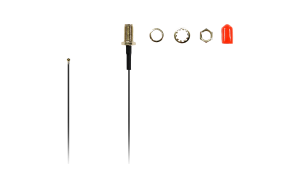
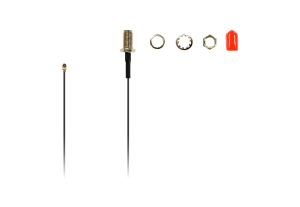
    DC~6GHz SMA female to IPEX MHF4L cable (with O-ring/without O-ring) RF1.13
    100mm
    150mm
    200mm
    250mm
    300mm
    500mm
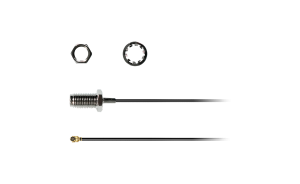
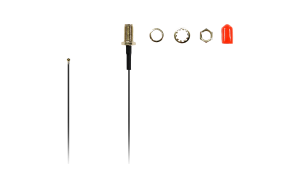
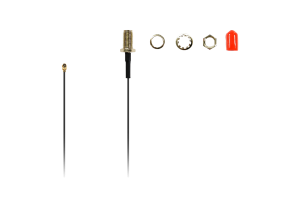
    DC~6GHz RP SMA female to IPEX MHF4L cable (with O-ring/without O-ring) RF1.13
    100mm
    150mm
    200mm
    250mm
    300mm
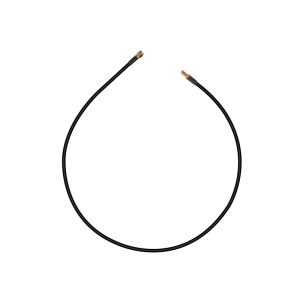
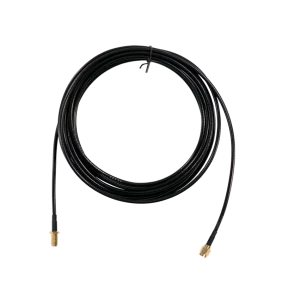
    DC~6GHz SMA male to SMA female cable (LMH/MH/Wi-Fi marks) ALSR200 700mm
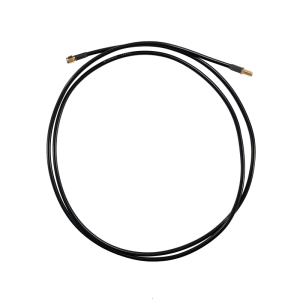
    DC~6GHz SMA male to SMA female cable (LMH/MH/Wi-Fi marks) ALSR200 1700mm
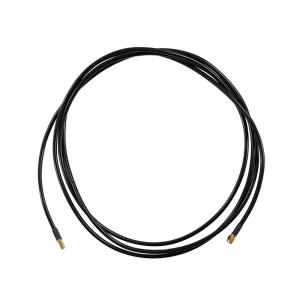
    DC~6GHz SMA male to SMA female cable (LMH/MH/Wi-Fi marks) ALSR200 2700mm
    DC~6GHz SMA male to SMA female cable (LMH/MH/Wi-Fi marks) ALSR200 4700mm
    DC~2GHz SMA male to SMA female cable with GNSS mark RG174 700mm
    DC~2GHz SMA male to SMA female cable with GNSS mark RG174 1700mm
    DC~2GHz SMA male to SMA female cable with GNSS mark RG174 2700mm
    DC~2GHz SMA male to SMA female cable with GNSS mark RG174 4700mm
    DC~6GHz SMA male to SMA female cable (LMH/MH/Wi-Fi marks) ALS302 700mm
    DC~6GHz SMA male to SMA female cable (LMH/MH/Wi-Fi marks) ALS302 1700mm
    DC~6GHz SMA male to SMA female cable (LMH/MH/Wi-Fi marks) ALS302 2700mm
    DC~6GHz SMA male to SMA female cable (LMH/MH/Wi-Fi marks) ALS302 4700mm
    DC~6GHz SMA male to SMA female cable (LMH/MH/Wi-Fi marks) RG405 700mm
    DC~6GHz SMA male to SMA female cable (LMH/MH/Wi-Fi marks) RG405 1700mm
    DC~6GHz SMA male to SMA female cable (LMH/MH/Wi-Fi marks) RG405 2700mm
    DC~6GHz SMA male to SMA female cable (LMH/MH/Wi-Fi marks) RG405 4700mm
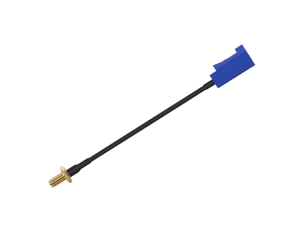
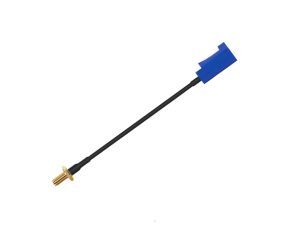
    DC~6GHz Fakra female code C to SMA female cable RG174 700mm
    DC~6GHz Fakra female code C to SMA female cable RG174 1700mm
    DC~6GHz Fakra female code C to SMA female cable RG174 2700mm
    DC~6GHz Fakra female code C to SMA female cable RG174 4700mm
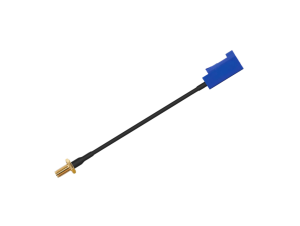
    DC~6GHz Fakra female code D to SMA female cable RG174 700mm
    DC~6GHz Fakra female code D to SMA female cable RG174 1700mm
    DC~6GHz Fakra female code D to SMA female cable RG174 2700mm
    DC~6GHz Fakra female code D to SMA female cable RG174 4700mm
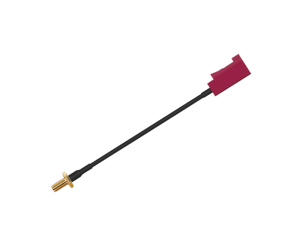
    DC~6GHz Fakra female code D to SMA female cable ALSR100 700mm
    DC~6GHz Fakra female code D to SMA female cable ALSR100 1700mm
    DC~6GHz Fakra female code D to SMA female cable ALSR100 2700mm
    DC~6GHz Fakra female code D to SMA female cable ALSR100 4700mm
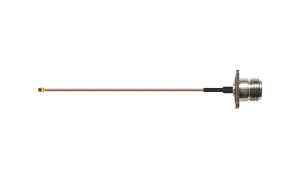
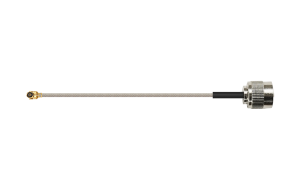
    DC~6GHz IPEX MHF1 to N type female cable RG178 200mm
    DC~6GHz IPEX MHF1 to TNC male cable RG178 200mm
    DC–6000MHz SMA female to IPEX MHF 1 cable RG113 100mm
    DC–6GHz SMA female to RF 1 cable RG113 100mm
    DC–6000MHz SMA female to RF 1 cable RG113 150mm
    DC–6000MHz SMA female to RF 1 cable RG113 200mm
    DC–6000MHz SMA female to RF 1 cable RG113 300mm
    DC–6GHz SMA female to RF 4RF cable RG113 100mm
    DC–6000MHz SMA female to RF 4 cable RG113 150mm
    DC–6000MHz SMA female to RF 4 cable RG113 200mm
    DC–6000MHz SMA female to RF 4 cable RG113 300mm
    DC–6000MHz SMA female to IPEX MHF 4L cable RG113 300mm
    DC–6000MHz SMA female to IPEX MHF 4L cable RG113 200mm
    DC–6000MHz SMA female to IPEX MHF 4L cable RG113 150mm
    DC–6000MHz SMA female to IPEX MHF 4L cable RG113 100mm
    DC–6000MHz SMA female to IPEX MHF 1 cable RG113 300mm
    DC–6000MHz SMA female to IPEX MHF 1 cable RG113 200mm
    DC–6000MHz SMA female to IPEX MHF 1 cable RG113 150mm

Get in touch

Cellular modules

Cellular modules connect devices to mobile networks through a huge variety of form factors, interfaces, performance levels and price points


Combination antennas

Combination antennas

Relevant industries


Antenna Services

Antenna Services


Events

SIDO Lyon 2026

SIDO Lyon 2026


Cellular modules enable connected devices to communicate over mobile networks. They provide standardized interfaces, integrated baseband processors, RF hardware and pre-certified compliance for various mobile network technologies such as 2G, 3G, 4G/LTE, LTE-M, NB-IoT and 5G.

As the IoT has expanded across industries, cellular connectivity has become essential for applications requiring wide-area coverage, high reliability and long-term deployment. They also come in a wide range of form factors, including LGA, LCC, Mini PCIe, and M.2. This allows designers to select based on size, cost, versatility, power requirements, durability and more. Many cellular modules also include GNSS for location tracking, embedded SIM (eSIM) support, integrated antennas, and advanced security features.

The variety of cellular modules available allows IoT device designers to target an enormous range of applications. Some key sectors are telematics, transportation, smart cities, industrial IoT, energy and utilities. Innovators in telematics and transportation for instance use them for fleet tracking, dashcams, and logistics sensors. In smart cities, designers integrate cellular modules for waste management and environmental monitoring. In industrial IoT, energy and utilities, use cases include predictive maintenance, smart meters, and grid sensors.

For IoT device designers, the evolution of cellular modules presents many commercial opportunities, including faster time-to-market, global deployments, and scalability. Long-term viability can also be ensured by using 4G, LTE-M, NB-IoT or 5G modules. As IoT adoption grows across enterprises, municipalities and consumer markets, designers who understand how to deploy cellular modules are well-positioned to build competitive, scalable and future-ready products.

Quectel offers a vast range across all types of cellular IoT module. These include 4G LTE modules that provide higher bandwidth, low latency and improved stability over 2G and 3G. LPWA modules on the other hand are engineered for long battery lives, deep indoor penetration and low cost. Meanwhile, 5G modules deliver ultra-fast speeds, massive device density and extremely low latency. For detail on our full offering, please select from the options below.

5G modules

5G modules

Smart modules

Smart modules

LPWA modules

LPWA modules

4G modules: LTE Cat 1 bis

4G modules: LTE Cat 1 bis

4G modules: LTE-A

4G modules: LTE-A

4G modules: LTE

4G modules: LTE

Automotive modules

Automotive modules

2G/3G modules

2G/3G modules

Get in touch

LTE antennas

LTE antennas enable long-distance, high-speed data transfer

Relevant industries

Payment

Payment


Antenna Services

Antenna Services


Events

SIDO Lyon 2026

SIDO Lyon 2026


LTE antennas, also known as 4G antennas, connect IoT devices to LTE cellular networks, part of the 4G wireless standard. They enable long-distance, high-speed data transfer without relying on Wi-Fi or wired connections. These antennas provide wide-area coverage, reliable connectivity, and independence from local networks.

LTE antennas are especially useful for mobile or remote deployments and typically support LPWA connections through LTE-M and NB-IoT networks, making them ideal for tracking, monitoring, and remote data transmission. LTE antennas support multiple frequency bands and real-time communication, which is particularly useful for mission-critical IoT systems.

Industries that rely on LTE antenna technology include the automotive industry, where they power GPS trackers and telematics units. In industrial settings, they support PLCs and remote tank sensors. Healthcare applications include patient monitors and emergency tablets. Smart buildings use LTE antennas in security cameras and smart metering solutions. The retail industry relies on them for payment systems and ATMs with cellular backup. In agriculture, they enable weather stations and soil sensors.

4G antennas also enable high-definition video and audio in areas such as portable multimedia, smart safety and monitoring, as well as verbal communication through VoLTE (Voice over LTE). 4G antennas are also essential to wireless broadband, which enables internet connectivity without a fixed wired connection from an internet service provider.

Quectel offers a wide range of LTE antenna products for diverse IoT applications. The range includes embedded and external options, many of which support fallback to 3G and 2G for improved coverage in remote locations. We also provide antenna services including antenna selection guidance, integration support, network matching, and certification assistance. These services help improve wireless performance, reduce development time, and ensure regulatory compliance. Explore our full range of LTE antennas below.

  • Image Frequency Mounting Dimensions See more
    600–960MHz; 1710-2690MHz PCB 40mm × 15mm
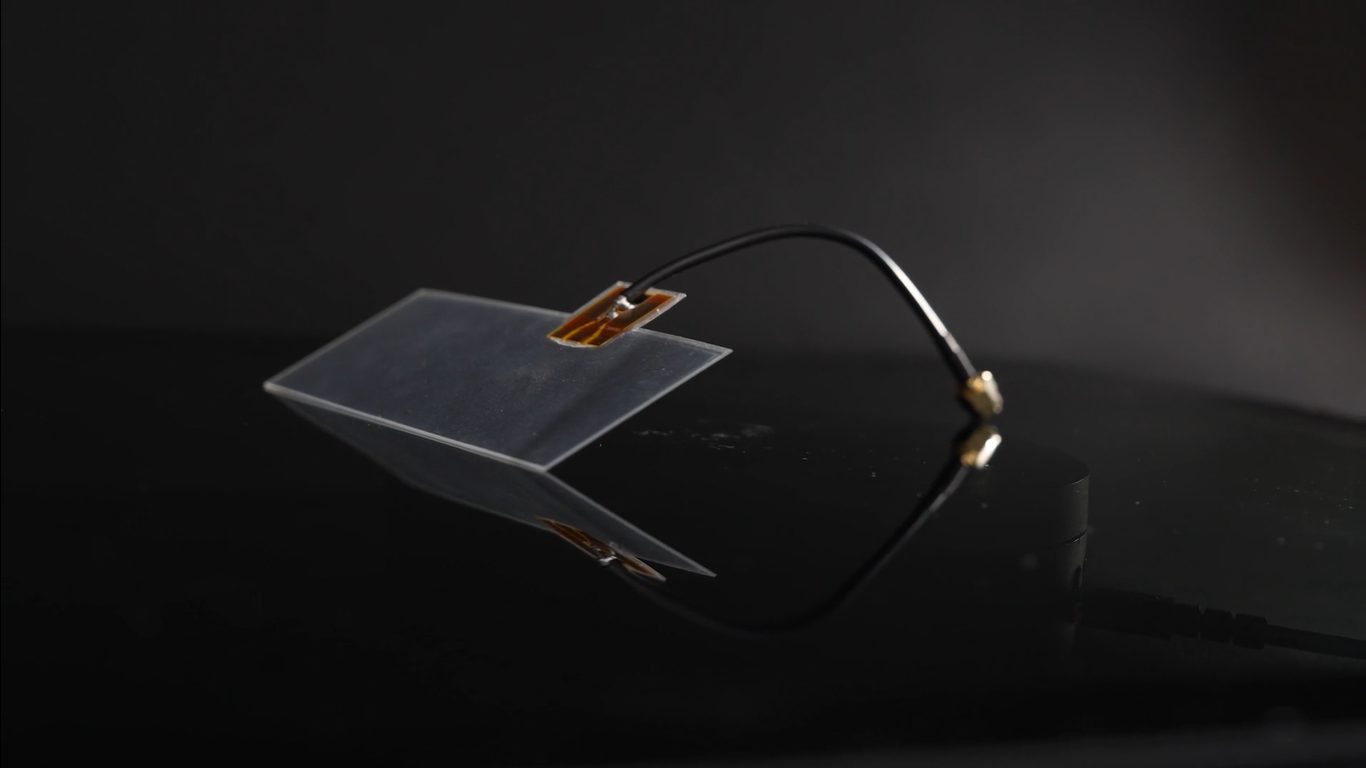
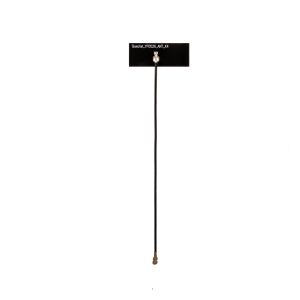
    698–2690MHz FPC 94mm x 21mm
    700-2690MHz FPC 30mm × 20mm
    700-2690MHz FPC 50mm × 25mm
    690–2700MHz SMD 50mm × 25mm × 3mm
    600-960MHz, 1710-2690MHz SMD 36mm x 9mm x 3mm
    698–960MHz, 1710–2690MHz SMD 42mm × 10mm × 3mm
    700–960MHz, 1710–2690MHz SMD 42mm × 10mm × 3mm
    700–960MHz, 1710–2690MHz SMD 40mm × 7mm × 3mm
    600–960MHz, 1710–2690MHz SMD 36mm × 9mm × 3mm
    698–960MHz, 1695–2200MHz, 2300–2690MHz SMD 28mm × 8mm × 3mm
    698–960MHz, 1710–2690MHz, 3300-3800MHz SMD 25mm × 7mm × 3mm
    698–960MHz, 1710–2690MHz, 3300-3800MHz SMD 25mm × 7mm × 3mm
    698–960MHz, 1710–2690MHz, 3300–3800MHz SMT 25mm x 7mm x 3mm
    698–960MHz, 1695–2200MHz, 2300–2700MHz SMT 28mm x 8mm x 3mm
    698–960MHz, 1710–2690MHz, 3300–3800MHz SMT 25mm x 7mm x 3mm
  • Image Frequency Mounting Dimensions See more
    700–2700MHz Magnetic 318mm × Φ30mm
    450–470MHz, 700–960MHz, 1710–2690MHz Screw 149.73mm × 49.91mm × 35.5mm
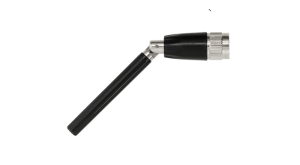
    700–2700MHz Terminal 115.4mm × 17.5mm × Φ10.2mm
    700–2700MHz Terminal 114mm × Φ13mm
    410–470MHz, 700–2690MHz Screw Φ108mm × 45mm
    700–960MHz, 1710–2690MHz Terminal 52mm × 18.6mm × 9mm
    700–960MHz, 1710–2690MHz Terminal Φ 9mm × 54.9mm
    700–960MHz, 1710–2690MHz Terminal 135mm × 15.6mm × 13mm
    700–960MHz, 1710–2690MHz Terminal 135mm × 15.6mm × 13mm
    700–960MHz; 1450–2690MHz; 3300–3800MHz Terminal Φ12.4mm × 50.8mm
    600–960MHz, 1710–2690MHz Terminal Φ 10mm × 69.5mm
    700–960MHz, 1710–2690MHz Adhesive Φ 30mm × 82.2mm
    700–960MHz, 1710–2690MHz Adhesive Φ 30mm × 83.2mm
    700–960MHz, 1710–2690MHz Adhesive 16mm × 60mm × 6.3mm
    700–2690MHz Pole 20mm × 300mm
    698-2700MHz Adhesive 152mm × 18mm × 5.9mm
    700-960MHz, 1710-2690MHz Adhesive Φ 99.98mm × 17.46mm
    700–960MHz, 1710–2690MHz Terminal 13mm × 15.6mm × 130mm
    450–470MHz, 698-960MHz, 1710-2690MHz Screw Φ 40.6mm × 104mm
    450–470MHz, 698–960MHz, 1710–2690MHz Adhesive/magnetic/screw 109.28mm × 89mm × 25.8mm

Get in touch

GNSS antennas

Lack of cellular coverage can be overcome with GNSS antennas

Relevant industries

Asset tracking

Asset tracking


Antenna Services

Antenna Services


Events

SIDO Lyon 2026

SIDO Lyon 2026


GNSS antennas connect IoT devices to the Global Navigation Satellite System. GNSS antennas enable accurate location tracking, reliable navigation, and precise timing across a wide range of connected devices. They are therefore becoming increasingly important in the IoT ecosystem, as in areas where cellular coverage is unavailable or unreliable, GNSS is often the only option for location data.

This means that in challenging environments such as remote locations, lack of cellular coverage can be overcome with GNSS antennas. This is especially true when GNSS is supported by RTK positioning and dead reckoning, which help to mitigate GNSS’ own limitations in scenarios where satellite signals are blocked, such as urban canyons. As a result, many IoT applications – such as micromobility, precision agriculture, and mining – now rely on high-precision GNSS solutions.

Careful selection of GNSS antennas is essential to balance low signal loss, high gain, and optimal sensitivity while remaining cost-effective. Performance in harsh environments, such as dense urban areas, or places with electromagnetic interference, is also a key consideration. Antennas designed for robust signal robust help ensure reliable connectivity and positioning, even under demanding conditions.

Our GNSS antennas come in various formats to support the best polarization and configuration for each application. Numerous single-band and dual-band options are available to give customers the choice they need to balance accuracy, reliability and cost.  We also offer both active and passive antennas to meet different performance and installation needs. For example, customers can choose from pin mount, surface mount, magnetic mount, internal cable, or external SMA connectors. In addition, we provide customizable cable lengths and connector types to fit specific design or deployment needs. Explore our full range of GNSS antennas below.

  • Image Frequency Mounting Dimensions See more
    1559-1606MHz SMD 3.2mm × 1.6mm × 0.6mm
    1176.45–1278.75MHz, 1575.42MHz SMD 5mm × 3mm × 0.5mm
    1559–1609MHz SMD 7.0mm x 5.8mm x 0.8mm
    1559–1609MHz FPC 61.5mm × 11.24mm
    1560–1605MHz FPC 61.5mm × 11.24mm
    1160–1270MHz, 1560–1605MHz FPC 74.56mm × 24.5mm × 0.13mm
    1559–1606MHz; 1164–1189MHz Adhesive/solder 45mm x 45mm x 8mm +

    40mm x 40mm x 4mm
    1559–1606MHz; 1164–1189MHz Adhesive/solder 45mm x 45mm x 6mm +

    40mm x 40mm x 4mm
    1559–1606MHz; 1164–1189MHz Adhesive/solder 38mm x 38mm x 6mm +

    28mm x 28mm x 4mm
    1559–1606MHz; 1164–1189MHz Adhesive/solder 35mm x 35mm x 6mm +

    28mm x 28mm x 4mm
    1559–1606MHz; 1164–1189MHz Adhesive/solder 33mm x 33mm x 4mm +

    25mm x 25mm x 4mm
    1565–1586MHz; 1164–1189MHz Adhesive/solder 25mm x 25mm x 6mm +

    18mm x 18mm x 4mm
    1559–1606MHz Adhesive/solder 35mm x 35mm x 6mm
    1559–1606MHz Adhesive/solder 35mm x 35mm x 6mm
    1559–1606MHz Adhesive/solder 40mm × 40mm × 4mm
    1559–1606MHz Adhesive/solder 25mm × 25mm × 4mm
    1559–1606MHz Adhesive/solder 25mm × 25mm × 4mm
    1559–1606MHz Adhesive/solder 35mm × 35mm × 4mm
    1559–1606MHz Adhesive/solder 20mm × 20mm × 4mm
    1559-1606MHz Adhesive/solder 25mm x 25mm x 2mm
    1559–1606MHz Adhesive/solder 25mm x 25mm x 2mm
    1559-1606MHz Adhesive/solder 15mm × 15mm × 4mm
    1559-1606MHz Adhesive/solder 15mm × 15mm × 4mm
    1559–1606MHz Adhesive/solder 18mm × 18mm × 4mm
    1565–1586MHz Adhesive/solder 10.2mm × 10.2mm × 4mm
    1565–1586MHz Adhesive/solder 12mm × 12mm × 4mm
    1559–1586MHz Adhesive/solder 12mm × 12mm × 4mm
    1164–1189MHz,
    1559–1606MHz
    Adhesive/solder 25mm × 25mm × 4mm +
    18mm × 18mm × 4mm
    1559–1606MHz SMD 15mm × 15mm × 4mm
    1559–1606MHz SMD 18mm × 18mm × 4mm
    1559–1606MHz SMD 25mm × 25mm × 4mm
    1565–1586MHz Adhesive/buckle 10.2mm × 10.2mm × 7.5mm
    1565–1586MHz Adhesive/buckle 10mm × 10mm × 7.5mm
    1565–1586MHz Adhesive/buckle 12mm × 12mm × 7.5mm
    1565–1586MHz Adhesive/buckle 12mm × 12mm × 7.5mm
    1565–1586MHz Adhesive/buckle 15mm × 15mm × 7.5mm
    1565–1586MHz Buckle 15mm × 15mm × 7.5mm
    1559–1606MHz Adhesive/buckle 18mm × 18mm × 7.5mm
    1559–1586MHz Adhesive/buckle 18mm × 18mm × 7.5mm
    1559–1586MHz Adhesive/buckle 20mm × 20mm × 7.5mm
    1559–1606MHz Adhesive/buckle 25mm × 25mm × 5.5mm
    1559–1586MHz Adhesive/buckle 25mm × 25mm × 5.5mm
    1559–1606MHz Adhesive/buckle 25mm × 25mm × 7.5mm
    1559MHz-1586MHz Adhesive/buckle 25mm × 25mm × 7.5mm
    1559–1586MHz Screw/buckle 35mm × 35mm × 7.9mm
    1559–1586MHz Screw/buckle 35mm × 35mm × 9.9mm
    GNSS L1: 1559–1606MHz

    Iridium: 1616–1626.5MHz

    L-band – TX: 1626.5–1660.5MHz,
    1668–1675MHz

    L-band – RX: 1518–1559MHz
    Screw/buckle 80mm × 80mm × 13.3mm
    1164–1189MHz, 1565-1586MHz Screw/buckle 39mm × 39mm × 12.1mm
    1164–1189MHz,
    1565–1586MHz
    Screw/buckle 39mm × 39mm × 12.1mm
    1164–1189MHz, 1565–1586MHz Screw/buckle 50mm × 50mm × 12.2mm
    1164–1189MHz, 1559–1606MHz Screw/buckle 59mm × 59mm × 14.2mm
    1217–1238MHz, 1559–1606MHz Screw/buckle 59mm × 59mm × 14.2mm
    1164–1238MHz, 1559–1606MHz Screw/buckle 59mm × 59mm × 16.2mm
    1164–1189MHz, 1559–1606MHz Buckle 50mm × 50mm × 14.5mm
    1164–1189MHz, 1559–1606MHz Adhesive/Soldering 25mm × 25mm × 2mm + 18mm × 18mm × 2mm
    1164-1189MHz, 1559-1606MHz Screw 50mm × 50mm × 12.2mm
    1164–1300MHz, 1525–1606MHz Screw Φ122mm × 24.2mm
    1164–1300MHz, 1525–1606MHz Screw 78.6mm × 75.6mm × 16.2mm
    1164–1238MHz, 1559–1606MHz Screw 78.6mm × 75.6mm × 16.2mm
    1164–1300MHz,1525–1606MHz Screw Φ 122mm × 22.5mm
  • Image Frequency Mounting Dimensions See more
    GNSS L1: 1559–1606 MHz

    L-Band TX: 1626.5–1660.5MHz, 1668–1675MHz

    L-Band RX: 1518–1559MHz
    Screw 106.15mm x 87.21mm x 26.5mm
    1164–1189MHz, 1559–1606MHz Screw Φ 65mm × 45mm
    1559–1606MHz Terminal 135mm × 15.6mm × 13mm
    1559–1606MHz Terminal 50.5mm × 18.6mm × 9mm
    1559–1606MHz Terminal Φ 9mm × 54.9mm
    1164–1189MHz, 1559–1606MHz Magnetic/bracket/glue 62mm x 56mm x 22.6mm
    1565–1606MHz Magnetic/adhesive 46mm × 36mm × 15.8mm
    1164–1189MHz, 1559–1606MHz Magnetic/bracket/glue 62mm x 56mm x 22.6mm
    1164–1189MHz, 1559-1606MHz Bracket 55.2mm × 48mm × 20.5mm
    1164–1189MHz, 1559–1606MHz Magnetic/adhesive 55.2mm × 48mm × 20.5mm
    1164–1300MHz, 1525–1606MHz Magnetic / adhesive / screw mount 109.28mm × 89mm × 25.8mm
    1164–1300MHz, 1525–1606MHz Terminal/magnetic Φ 146.4mm × 71.43mm
    1164–1300MHz, 1525–1606MHz Terminal/magnetic Φ 146.4mm × 71.43mm
    1559–1606MHz Magnetic Φ 10.22mm × 69.5mm
    1164-1300MHz, 1525-1606MHz Screw Φ 146.4mm × 71.43mm

Get in touch

Wi-Fi antennas

There is now huge potential for Wi-Fi beyond indoor settings

Relevant industries

Payment

Payment


Antenna Services

Antenna Services


Events

SIDO Lyon 2026

SIDO Lyon 2026


Wi-Fi antennas connect IoT devices to Wi-Fi networks, enabling short- to medium-range wireless communication. This form of connectivity is increasingly valuable in IoT because it provides high data rates, broad device compatibility, high node density and easy use of existing network infrastructure.

Wi-Fi antennas therefore give IoT device designers a cost-effective way to enable reliable wireless connectivity. In addition, they support real-time data transfer, and their compatibility with standard protocols ensures broad interoperability. Wi-Fi antenna technology is most often used indoors, where Wi-Fi infrastructure is already ubiquitous.

It’s most common in devices found in smart homes, offices, healthcare facilities, retail spaces, and factories. In smart homes, examples include smart speakers and connected washing machines, while offices use them in HVAC controllers and wireless printers. Across healthcare facilities Wi-Fi antennas connect patient monitors and digital thermometers, while for retail they connect payment systems and digital signage. In factories, examples include predictive maintenance sensors and Wi-Fi connected control panels.

There is now however huge potential for Wi-Fi outside the home and traditional institutional settings – from stadiums and ports to even agriculture – positioning Wi-Fi as an increasingly compelling alternative to cellular connections. Wi-Fi 6 and Wi-Fi 6E offer better coverage, improved node density and lower power consumption than Wi-Fi 5 – dramatically improving performance in high-density environments which might otherwise require broadband.

Wi-Fi 7 goes further still, introducing breakthrough features like multi-link operation (MLO) and 320MHz channel bandwidth. This enables support for high-speed applications with ultra-low latency requirements such as AR/VR and cloud computing. Wi-Fi HaLow is meanwhile upending assumptions over Wi-Fi’s range and penetration by connecting smart cities, sprawling industrial sites and farms. These newer Wi-Fi standards also offer low power consumption, benefiting battery-operated devices.

Quectel offers a wide range of Wi-Fi antenna products tailored for diverse IoT applications. The range includes embedded and external options, with compact footprints to suit space-limited designs. They come in range of form factors including ceramic chip, FPC + cable, rubber and PCB antennas. We also offer comprehensive antenna services including antenna selection and integration assistance, matching network tuning, and certification guidance. This end-to-end approach helps manufacturers speed up development, improve performance, and meet regulatory requirements. Explore the full range of Quectel Wi-Fi antennas below.

  • Image Frequency Mounting Dimensions See more
    2400–2500MHz SMD 3.2mm × 1.6mm × 0.5mm
    2400–2500MHz SMD 5.2mm × 2mm × 1.2mm
    2400–2500MHz, 5150–7150MHz SMD 8mm × 6.6mm × 1.6mm
    2400-2500MHz, 4900-5850MHz, 5925-7125MHz FPC 37.8mm × 7.5mm
    2400–2500MHz, 5150–5850MHz, 5925–7125MHz FPC 29.98mm × 30.85mm
    2400–2500MHz, 5150–5850MHz, 5925–7125MHz FPC 29.98mm × 30.85mm
    2400–2500MHz, 5150–5850MHz Adhesive 38.9mm × 9mm × 0.12mm
    2400-2500MHz, 4900-5850MHz, 5925-7125MHz Adhesive 22.9mm × 11.7mm
    2400-2500MHz, 4900-5850MHz, 5925-7125MHz Adhesive 22.9mm × 11.7mm
    2400-2500MHz, 4900-5850MHz, 5925-7125MHz Adhesive 37.8mm × 7.5mm
    2400–2500MHz, 5150–5850MHz, 5925–7125MHz SMD 1.6mm × 0.8mm × 0.4mm
    2400–2500MHz, 5150–5850MHz Adhesive 38.9mm × 9mm
    2400–2500MHz, 5150-5850MHz, 5925-7125MHz Adhesive 28.9mm × 11mm
    2400–2500MHz, 5150–5850MHz, 5925–7125MHz Adhesive 28.9mm × 11mm
    400–2500MHz, 5150–5850MHz, 5925–7125MHz Adhesive 38mm × 7mm
    2400–2500MHz, 5150–5850MHz, 5925–7125MHz Adhesive 38mm × 7mm
  • Image Frequency Mounting Dimensions See more
    2400–2500MHz, 5150–5850MHz, 5925–7125MHz Terminal 135mm × 15.6mm × 13mm
    2400–2500MHz, 5150–5850MHz, 5925–7125MHz Terminal 135mm × 15.6mm × 13mm
    Wi-Fi: 2400–2500MHz, 5150–5850MHz, 5925–7125MHz; V2X: 5850–5925MHz Terminal 52mm × 18.6mm × 9mm
    Wi-Fi: 2400–2500MHz, 5150–5850MHz, 5925–7125MHz; V2X: 5850–5925MHz Terminal Φ 9mm × 54.9mm
    Wi-Fi: 2400–2500MHz, 5150–5850MHz, 5925–7125MHz; V2X: 5850–5925MHz Adhesive 16mm × 60mm × 6.3mm
    2400–2500MHz, 5150–5850MHz, 5925–7125MHz Adhesive Φ30mm × 83.2mm
    2400–2500MHz, 5150–5850MHz, 5925–7125MHz Magnetic Φ30mm × 82.2mm
    2400–2500MHz, 5150–5850MHz, 5925–7125MHz Terminal Φ 10.22mm × 69.5mm
    2400–2500MHz, 5150–5850MHz, 5925–7125MHz Terminal 15.6mm × 13mm × 130mm
    2400–2500MHz Terminal Φ 25.5mm × 300mm
    5850–5925MHz Terminal Φ 25.5mm × 600mm

Get in touch

5G antennas

5G antennas are used when speed and ultra-low latency are critical

Relevant industries

Automotive

Automotive


Antenna Services

Antenna Services


Events

SIDO Lyon 2026

SIDO Lyon 2026


5G antennas connect IoT devices to 5G networks. With 5G connectivity, devices gain higher data rates, ultra-low latency, and more reliable connections over previous cellular standards like LTE (4G). 5G antennas are therefore used in applications where speed, responsiveness, and stable connectivity are mission-critical.

Key use cases include numerous industrial applications which rely on fast, real-time communication to operate safely and efficiently, such as automated guided vehicles and robotic arm controllers in smart factories. With consistent low-latency connectivity, manufacturers can synchronize complex processes and implement predictive maintenance to achieve greater productivity.

In healthcare, 5G antennas power telehealth services, wearable monitors, and even remote robotic-assisted surgery. The ability to transmit patient data instantly and securely ensures timely decisions by doctors, with continuous monitoring outside traditional hospitals. 5G also supports smart payments and financial services, which require secure, instant transactions across a wide range of connected devices. For consumer electronics, 5G helps to unlock entirely new experiences. Devices such as smart glasses, 5G-enabled tablets, mobile gaming consoles, and fitness trackers benefit from seamless real-time data transfer. Whether for lag-free cloud gaming or immersive augmented reality, 5G antennas are essential to reliable performance.

We offer a wide range of 5G antennas, including embedded and external options that support sub-6GHz and mmWave frequencies, and options optimized for both MIMO and multi-band performance. Our 5G antennas are typically backward-compatible to support 2G and 3G networks, as well as LPWA standards Cat M and NB-IoT. The portfolio also covers a broad array of mounting types and form factors, from magnetic and terminal mount options to glass interlayer or dipole fiberglass models. We also offer antenna support services – so can offer help with antenna selection, integration, matching network tuning, and regulatory certification. Explore our full range of 5G antennas below.

  • Image Frequency Mounting Dimensions See more
    1100–6000MHz FPC 49mm × 13mm
    1500–6000MHz FPC 49mm × 13mm
    600–6000MHz FPC 90.3mm × 15.3mm
    410–470MHz, 700–960MHz, 1400–6000MHz Adhesive 150mm × 16.2mm × 0.6mm
    410–470MHz, 700–960MHz, 1400–6000MHz Adhesive 138.8mm × 16.2mm
    600–960MHz, 1520–6000MHz Adhesive 120mm × 47mm
    1427-5850MHz SMD 20mm × 10mm × 3mm
    698–3800MHz SMD 25mm × 7mm × 3mm
    698–3800MHz SMD 25mm × 7mm × 3mm
    600–960MHz, 1427–1707MHz, 1710–2170MHz, 2300–2700MHz, 3300–5000MHz, 5100–6000MHz SMD 40mm × 7mm × 3mm
    1100–6000MHz Adhesive 49mm × 13mm × 0.8mm
    600–6000MHz Adhesive 78.5mm × 14.2mm × 0.8mm
  • Image Frequency Mounting Dimensions See more
    700–960MHz, 1710–2690MHz, 3300–5000MHz Terminal 200mm × 21mm × 8mm
    410–470MHz, 617–960MHz, 1427–6000MHz Terminal 225mm × 54.5mm × 13mm
    600–6000MHz Magnetic 116.5mm × 21.7mm × 5.6mm
    600–5000MHz Terminal 209mm × 42mm × 6mm
    600–960MHz, 1710–2690MHz, 3300-6000MHz Terminal 225mm × 54.5mm × 13mm
    600–960MHz, 1710–2690MHz, 3300–6000MHz Terminal 231mm × 54.5mm × 14.5mm
    600–960MHz, 1710–2690MHz, 3300–6000MHz Terminal 233mm × 54.5mm × 20mm
    600–6000MHz Terminal 135mm × 15.6mm × 13mm
    600–6000MHz Terminal 135mm × 15.6mm × 13mm
    700–960MHz, 1710–2690MHz, 3300–6000MHz Terminal 52mm × 18.6mm × 9mm
    600–6000MHz Adhesive Φ 30mm × 83.2mm
    600–6000MHz Magnetic Φ 30mm × 82.2mm
    700–960MHz, 1710–2690MHz, 3300–6000MHz Terminal Φ 9mm × 54.9mm
    600–960MHz, 1400-2690MHz, 3300-6000MHz Screw mount Φ40.6mm × 104mm
    600–960MHz, 1400-2690MHz, 3300-6000MHz Screw mount Φ40.6mm × 104mm
    600–6000MHz Terminal 13mm × 15.6mm × 130mm
    600–6000MHz Terminal 140mm × 15.6mm × 13mm
    600–6000MHz Terminal 20mm × 145mm
    600–6000MHz Terminal 135mm × 15.6mm × 13mm
    700–960MHz, 1450–2690MHz, 3300–6000MHz Adhesive 118.2mm × 42.7mm
    600–960MHz, 1400–2690MHz, 3300–6000MHz Terminal Φ 40.6mm × 78mm
    600-960MHz, 1400-2700MHz, 3300-5000MHz Terminal Φ 25.5mm × 300mm
    600–6000MHz Terminal 152.4mm × 21.79mm × 14.49mm
    600–960MHz, 1400–6000MHz Screw mount Φ 40.6mm × 104mm
    1695–2690MHz, 3300–4200MHz Pole/wall 595mm × 419mm × 143mm
    380–6000MHz Ceiling via hole 300mm × 139mm

Get in touch

ISM antennas

ISM antennas support an expanding ecosystem of scalable wireless devices

Relevant industries


Antenna Services

Antenna Services


Events

SIDO Lyon 2026

SIDO Lyon 2026


ISM antennas operate within the industrial, scientific, and medical (ISM) radio bands. While originally intended for ISM applications, they are now widely used in many other short-range, license-free communication systems. Diverse devices based on Wi-Fi, Bluetooth/BLE, LoRa/LoRaWAN, Zigbee, NFC and RFID now also use ISM bands to offer low-cost, scalable wireless connectivity.

ISM applications for ISM antennas include metering and grid devices, GPS asset trackers, and industrial remote monitoring and control. In non-ISM applications, they appear in a huge range of devices, including Bluetooth earbuds, smart thermostats, and robotic lawn mowers. Because ISM antennas operate on unlicensed spectrums, they allow IoT device designers to build low-power, compact wireless solutions without regulatory delays. They also offer flexible frequency options, global usability, and easy integration into space-constrained devices. As a result, these antennas are a practical and reliable choice for diverse IoT applications.

Quectel provides a complete range of ISM antennas, including both embedded and external types. These support 433MHz, 868/915MHz, 2.4GHz, 5.8GHz and 7GHz applications, and can be optimized for IoT sensors, gateways, and smart city systems. They can also be tailored to industrial, agricultural, medical, and wearable device use. Our complementary expert support services include antenna selection, integration, and matching network optimization, with over-the-air performance testing and assistance with regulatory certifications such as FCC, CE, and RED. Explore our full range of ISM antennas below.

  • Image Frequency Mounting Dimensions See more
    410–470MHz Terminal 135mm × 15.6mm × 13mm
    433–435MHz, 450–470MHz Magnetic Φ30mm × 83.2mm
    433–435MHz, 450–470MHz Magnetic Φ30mm × 82.2mm
  • Image Frequency Mounting Dimensions See more
    433–435 MHz Spring 29mm × 7mm × 7mm
    900–930MHz SMD 10mm × 3.2mm × 0.6mm
    855–880MHz SMD 10mm × 3.2mm × 0.6mm
    3000–8000MHz SMD 8mm × 6mm × 1mm
    790–960MHz SMD 40.99mm × 6.68mm × 3.99mm
    863–870MHz SMD 10mm × 3.2mm × 0.5mm
    902–928MHz SMD 10mm × 3.2mm × 0.5mm
    791-960MHz SMD 20mm x 11mm x 1.6mm
    868MHz, 915MHz, 790–960MHz SMD 25mm × 7mm × 3mm
    863–870MHz Adhesive 70mm × 40mm
    910–930MHz Adhesive 120.2mm × 25mm
    410–470MHz Adhesive 100mm × 20mm

Get in touch

Combination antennas

Combo antennas are increasingly affordable and customizable


Relevant industries


Antenna Services

Antenna Services


Events

SIDO Lyon 2026

SIDO Lyon 2026


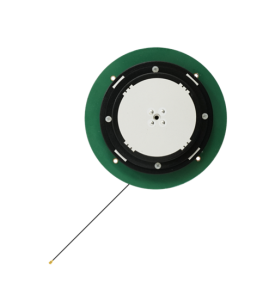
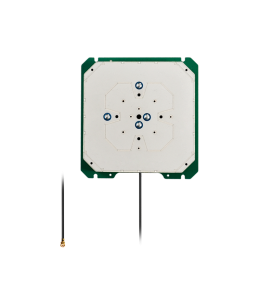
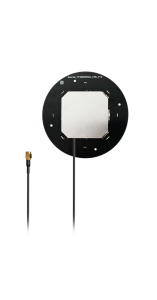
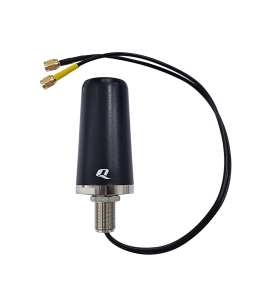
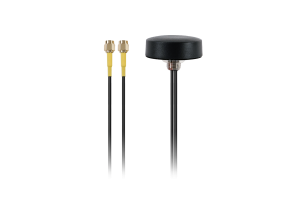
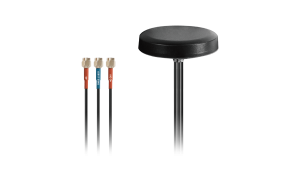
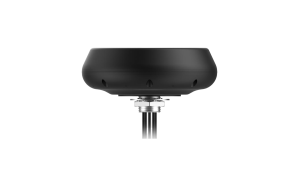
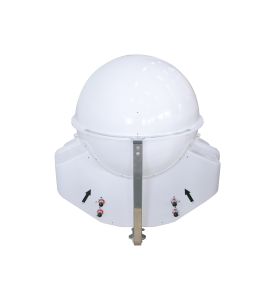
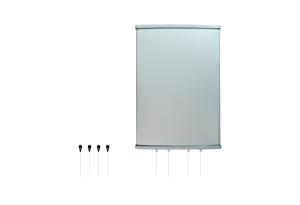
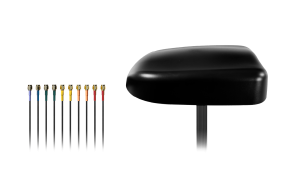
Combination antennas (or combo antennas) integrate multiple individual antennas into a single unit. Each combo antenna supports different technologies and frequency bands, enabling IoT devices to maintain multiple forms of connectivity. In some applications, this ensures always-on connectivity, while in others, the priority may be minimizing cost or maximizing bandwidth.

Combination antennas now offer extensive design possibilities. Designs are only limited by the space available, and we can swap and change internal antenna elements to support any frequency band required to meet bespoke specifications. Although relatively complex to develop, installation is also straightforward because designers only require one mounting point for the entire assembly. And, while cost and complexity have previously limited the potential of this market, this is now rapidly changing.

In recent years, the cost and complexity of producing combo antennas have dropped significantly and they are now accessible to a broader range of users. Manufacturers like Quectel can then reduce development and production expenses by reusing proven form factors at scale. We also lower costs by integrating antenna technologies originally developed for other IoT devices into our combo designs and pass these savings on to customers. We further leverage our in-house manufacturing capabilities and strong supplier relationships to reduce the price of housings and other components.

To meet diverse application needs, we offer a broad range of combo antennas tailored to individual customer requirements. Our models include all possible antenna types, fully tested and isolated, that fit into unified form factors without interference. This enables use cases which would not previously have been viable.

We can also deliver them as part of a complete solution that includes both the antenna and the module. Additionally, we provide semi-custom options and modifications, such as adjustable cable lengths and different connector types, ensuring our combo antennas meet your specific needs. Explore our range of combination antennas below.

  • Image Frequency Mounting Dimensions See more
    Wi-Fi: 2400-2500MHz, 5150-7150MHz Adhesive 78.6mm × 21.4mm
    LTE/5G: 600-6000MHz Adhesive 237mm × 22mm
    5G: 600–960MHz, 1420–2690MHz, 3300–6000MHz

    Wi-Fi: 2400–2500MHz, 5150–5850MHz, 5925–7125MHz
    Adhesive 125mm × 36.4mm
  • Image Frequency Mounting Dimensions See more
    LMHs: 600-960MHz, 1400-6000MHz

    MHs: 1400-6000MHz

    GNSS: 1164-1189MHz, 1559-1606MHz
    Screw Φ 167mm × 57mm
    LTE: 700–960MHz, 1710–2690MHz

    GNSS: 1565–1606MHz
    Screw Ø 81.4mm × 16.5mm
    5G: 600MHz–960MHz, and 1400MHz–6000MHz

    Wi-Fi: 2400MHz–2500MHz
    Screw Φ 40.6mm × 104mm
    LMHs: 600–960MHz, 1400–6000MHz

    MHs: 1400–6000MHz

    GNSS: 1166–1186MHz, 1559–1606MHz
    Screw 204mm × 86.6mm × 31mm
    LMHs: 600–960MHz, 1400–6000MHz

    MHs: 1400–6000MHz

    GNSS: 1164–1189MHz, 1559–1606MHz
    Screw Φ103.5mm × 42.5mm
    LMHs: 600–960MHz, 1400-6000MHz

    GNSS: 1164–1189MHz, 1559–1606MHz
    Screw Φ162mm × 56mm
    LTE: 698-960MHz, 1710-2690MHz

    GNSS: 1558–1581MHz
    Screw Φ81mm × 14.5mm
    LTE: 700-960MHz, 1700-2700MHz

    Wi-Fi/BT: 2400-2500MHz, 5150-5850MHz

    GNSS: 1559-1606MHz
    Adhesive 143.73mm × 51.33mm × 15mm
    LMHs: 600–960MHz, 1400–6000MHz

    MHs: 1400–6000MHz

    GNSS: 1164–1189MHz, 1559–1606MHz
    Adhesive 264.6mm × 157.6mm × 30.5mm
    LTE: 698-960MHz, 1710-2690MHz

    Wi-Fi/BT: 2400-2500MHz
    Adhesive Ø 81mm × 14.5mm
    4G: 700–960MHz, 1710–2690MHz

    Wi-Fi: 2400–2500MHz, 5150–5850MHz, 5925–7125MHz

    GNSS: 1565–1606MHz
    Magnetic/Adhesive/Screw 109.28mm × 89mm × 25.8mm
    4G: 700–960MHz, 1710–2690MHz

    GNSS: 1565–1606MHz
    Magnetic/Adhesive/Screw 109.28mm × 89mm × 25.8mm
    4G: 700–960MHz, 1710–2690MHz

    GNSS: 1559–1606MHz
    Magnetic/Adhesive/Screw 109.28mm × 89mm × 25.8mm
    4G: 700–960MHz, 1710–2690MHz

    Wi-Fi: 2400–2500MHz, 5150–5850MHz, 5925–7125MHz

    GNSS: 1565–1606MHz
    Magnetic/Adhesive/Screw 109.28mm × 89mm × 25.8mm
    5G: 410-470MHz, 617–960MHz, 1420-1520MHz, 1710-2690MHz, 3300–3800MHz, 4000-6000MHz Pole/Wall/Suction 186mm × 176mm × 100.5mm
    5G: 410-470MHz, 617-2690MHz, 3300-6000MHz Pole/Wall/Suction 186mm × 176mm × 150mm
    Wi-Fi 1: 2400–2500MHz; 5150–5850MHz

    Wi-Fi 2: 2400–2500MHz; 5150–5850MHz
    Screw Φ 46mm × 16mm
    4G × 2: 698–960MHz, 1710–2690MHz

    GNSS: 1565–1606MHz
    Screw Φ 81mm × 15.5mm
    4G: 700–960MHz, 1700–2690MHz

    GNSS: 1565–1606MHz
    Screw 89.3mm × 86.3mm × 35.4mm
    LMHs: 600–6000MHz

    MHs: 1400–6000MHz
    Screw Φ 103.5mm × 42.5mm
    LMHs: 600–6000MHz

    GNSS: 1164–1189MHz, 1559–1606MHz
    Screw Φ 103.5mm × 42.5mm
    4 × 5G/4G LMH: 600–960MHz, 1400–6000MHz

    2 × 5G/4G MH: 1400–6000MHz

    1 × Active GNSS: 1565–1606MHz
    Adhesive 133mm × 73mm × 19.1mm
    LMHs: 600–960MHz, 1400–6000MHz

    MHs: 1400–6000MHz

    GNSS: 1164–1189MHz, 1559–1606MHz
    Screw Φ 162mm × 56mm
    1710–2690MHz Pole 774mm × 400mm × 400mm
    698–960MHz Pole 850mm × 645mm × 850mm
    617–4200MHz Pole/Wall 590mm x 419mm x 143mm
    1–7,000MHz Screw 225mm x 145mm x 56.4mm

Get in touch

Masterclass events

To register for multiple webinars please use the form below