Post Language: English
GNSS white paper: machine control, robotics, and precision farming
How ODMs help bring industrial GNSS devices to market faster, more cost-effectively, and with less risk
Thank you for submitting your details
You can read the white paper below or download it if you prefer
General FAQs
-
- What is Quectel and what does it do?
Quectel is a global, end-to-end Internet of Things (IoT) solutions provider. We accelerate IoT innovation by offering a comprehensive suite of products including cellular, GNSS, Wi-Fi, and Bluetooth modules, high-performance antennas, and extensive support and services to build a smarter world. - Where is Quectel headquartered?
Quectel’s global headquarters is in Shanghai, China. - When was Quectel founded?
The company was founded in October 2010. - Is Quectel a publicly traded company?
Yes, Quectel is publicly listed on the Shanghai Stock Exchange (stock code: 603236.SS). - What is Quectel’s mission?
Our passion is to accelerate IoT innovation. We are a highly customer-centric organization committed to making an outstanding contribution to the development of global IoT. - How large is Quectel’s global team?
We have a worldwide team of over 5,800 professionals.
- What is Quectel and what does it do?
-
- How can I explore Quectel’s IoT product portfolio?
Visit our Product Selector to explore our complete portfolio. - For what kind of applications are Quectel products used?
Our solutions span a wide range of IoT applications, including asset tracking, automotive, commercial telematics, digital signage, fixed wireless access, IoT robotics, micromobility, payment systems, remote monitoring and control, smart grid and metering, smart home appliances, and telehealth. You may view more information on these in our IoT Application Library.
- How can I explore Quectel’s IoT product portfolio?
-
- Where does Quectel have a global presence?
We have regional offices and support across the globe. You can find our global locations on the Contact page. - Where are Quectel’s research and development centers?
We have eight R&D centers globally in key technology hubs, including Shanghai, Hefei, Vancouver, Belgrade, and Penang. Discover more about our R&D and innovation on our R&D page. - What kind of customer support does Quectel provide?
We offer 360-degree support. For comprehensive technical assistance, please visit our Technical Support page to find the best resources and contact options for your region and needs. - How do I contact Quectel for technical support?
For technical assistance, please submit your request through our dedicated support form. This is the best way to get help with product integration, troubleshooting, or documentation requests. You can access the form here. - Does Quectel help with regulatory and carrier certification?
Yes. We provide certification services to help customers achieve necessary approvals from regulators and global tier-1 carriers, simplifying compliance and accelerating time-to-market. Find details on our Testing and Certification Services page.
- Where does Quectel have a global presence?
-
- What are Quectel’s core security principles?
Our core principles are security by design, comprehensive security testing, regular updates and continuous protection, secure supply chain, and transparency and regulatory compliance. You can read more about them on our IoT Product Security page. - How can I get in touch with Quectel for media inquiries?
For media-related questions, please contact media@quectel.com - Where can I find more information about Quectel online?
For more information, please visit our official website at www.quectel.com or follow us on LinkedIn. - Where can I find documentation?
Please visit our Download Zone for the files you need to support your products on the Quectel website. - What industry events is Quectel attending this year?
Please visit the Events page for all the latest Quectel events.
- What are Quectel’s core security principles?
-
- How long after account registration will my account be activated?
After you create your account in the Download Zone, you will receive a verification email. Once you verify your email address, your account will be activated immediately, and you will be able to access the Download Zone. If you do not see the verification email, please check your spam or junk folder. If you still need help, please contact us at quectel-website-group@quectel.com - I cannot log in to my Download Zone account. What should I do?
If you cannot log in, please make sure you have verified your account using the verification email sent after registration. If you did not receive the verification email, check your spam or junk folder. If the issue continues, please contact us at quectel-website-group@quectel.com and include your registered email address and a brief description of the issue or error message.
- How long after account registration will my account be activated?
-
- How do I request deletion of my personal information?
To request deletion of your personal data, please email quecteldpo@quectel.com with your request. For more information, please refer to Quectel’s Privacy Policy.
- How do I request deletion of my personal information?
-
- How do I request a quotation or pricing information?
To provide the best support and recommend the most suitable solution for your needs, please send your quotation or pricing request to sales-support@quectel.com. To help us process your request faster, please include the following project information:
• R&D company name and location (state/country)
• End customer company name
• Application type / use case
• Estimated annual units (for mass production)
Our sales team will review your request and get back to you as soon as possible. - Who are Quectel’s official distributors?
To ensure you receive full technical support and warranty coverage, we strongly recommend purchasing Quectel products only through our authorized distributors and partners. You can find an authorized distributor in your region on our Distributors page.
Please note: Quectel does not provide technical support or product warranty for items purchased through unauthorized channels. If you need help identifying an authorized distributor, please email us at sales-support@quectel.com.
- How do I request a quotation or pricing information?
-
- How do I report a security issue or ask a security-related question?
If you have any security-related inquiries or would like to report a potential security issue, please contact our product security team using the form on our IoT Product Security page. Our product security team will review your inquiry and get back to you as soon as possible.
- How do I report a security issue or ask a security-related question?
-
- I could not attend a Masterclass webinar. Is there a recording available?
Yes. Quectel Masterclass webinars are recorded and will be uploaded to our Masterclass Library.
- I could not attend a Masterclass webinar. Is there a recording available?
4G modules: LTE Cat 1 bis
Featured products

Relevant industries

Related hardware
Events

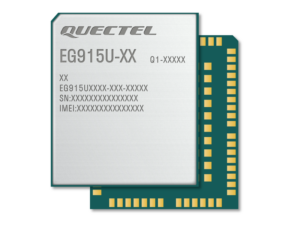
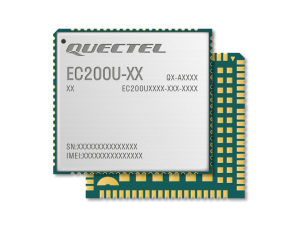
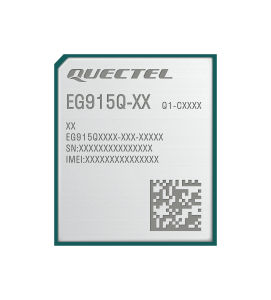
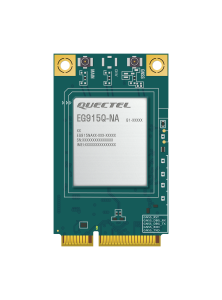
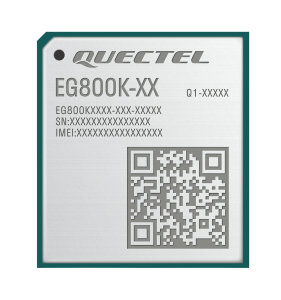
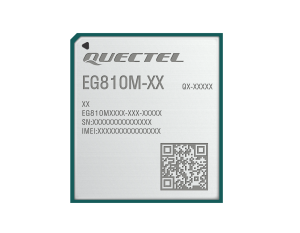
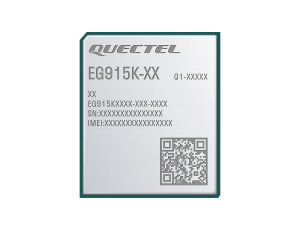
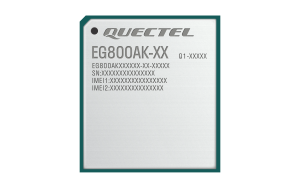
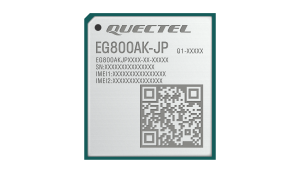
LTE Cat 1 bis is a form of cellular technology designed to connect the large middle tier of 4G IoT devices that need dependable performance without the complexity and cost of higher-end LTE variants. In terms of speed and power it sits between LPWA technologies such as LTE-M and NB-IoT and higher LTE categories – supporting voice, messaging, and data transfer at moderate speeds. LTE Cat 1 bis modules enable firmware updates, location reporting, and real-time communication in cost-efficient IoT products.
Use of LTE Cat 1 bis is expanding rapidly, and it is expected to remain a core IoT connectivity option well into the next decade while LTE networks continue to operate worldwide. The technology offers data rates of 10Mbps downlink, low latency, and strong mobility support, with a single antenna design. This creates an attractive balance of performance, efficiency, compactness, and cost compared with LTE Cat 4, LTE-A or 5G solutions.
Devices such as point-of-sale terminals, smart meters, security alarms and industrial handheld scanners commonly use LTE Cat 1 bis. Industries using LTE Cat 1 bis technology include retail, logistics, smart cities, utilities, and healthcare. Delivery drivers, shop staff, building managers, and many others rely on Cat 1 bis devices to process payments, monitor energy use, protect property, track valuable goods, and more.
This technology opens new commercial opportunities for mid-tier IoT applications that require enhanced performance at low cost, while ongoing advances in chipset efficiency and roaming support will further strengthen the ecosystem. Our LTE Cat 1 bis modules provide compact form factors, global frequency support, and long product lifecycles. Meanwhile, our design expertise, certification support, and broad product portfolio make Quectel the ideal end-to-end IoT solutions provider for device developers planning to build reliable connected devices in this space.
LTE Cat 1 bis use cases include:
- Asset trackers
- Data cards
- Energy monitoring
- Home automation
- Industrial routers
- Industrial PDAs
- Point-of-sale (POS) terminals
- Security panels
- Smart meters
- Vehicle telematics units



Relevant resources


Get in touch
RF coax cables
Coax cable selection can make a huge difference to device performance

Relevant industries

Related services
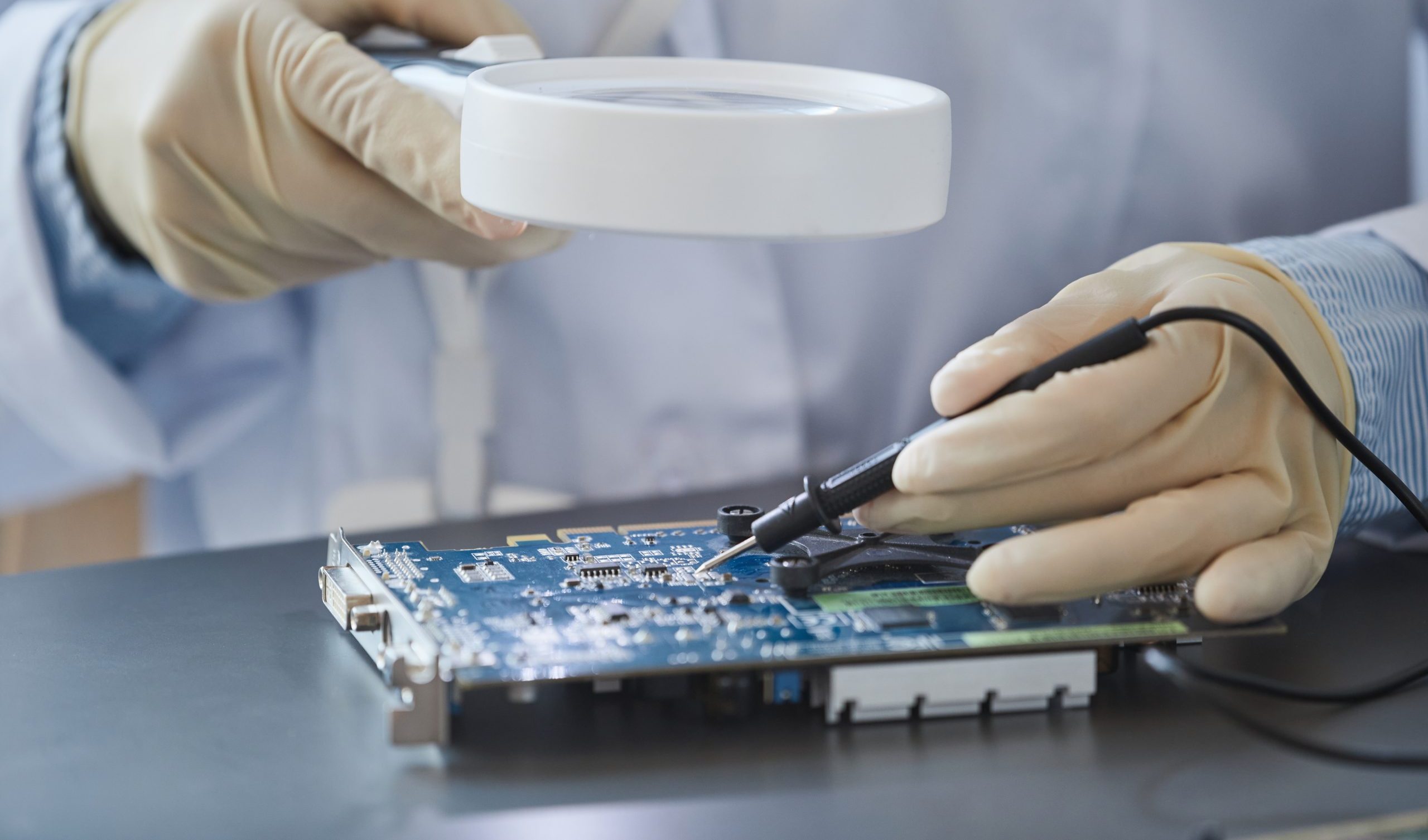

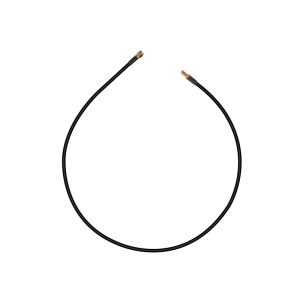
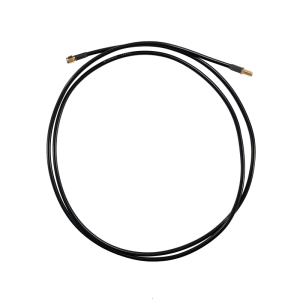
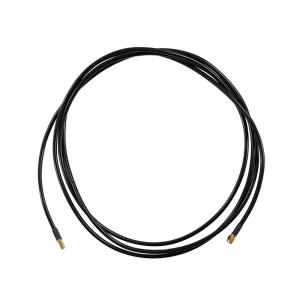
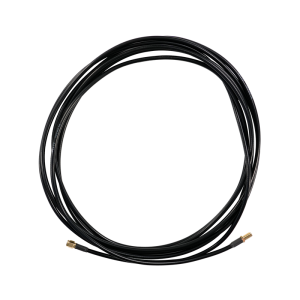
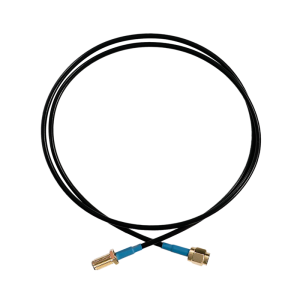
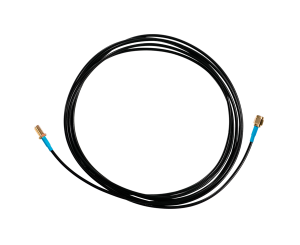
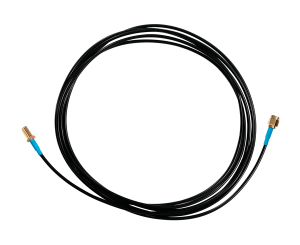
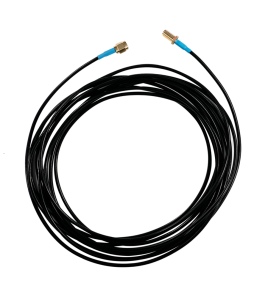
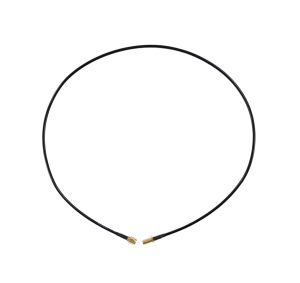
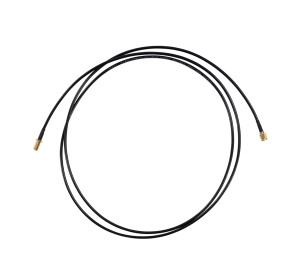
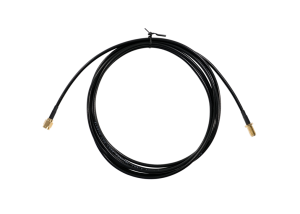
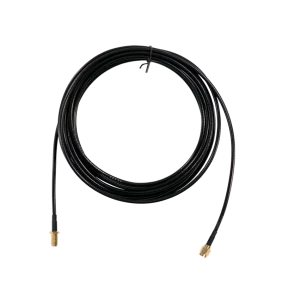
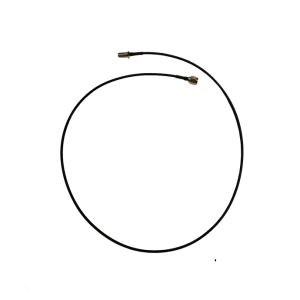
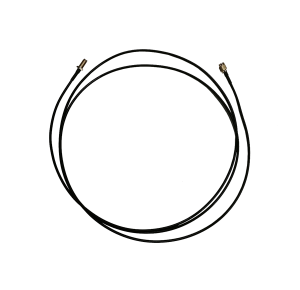
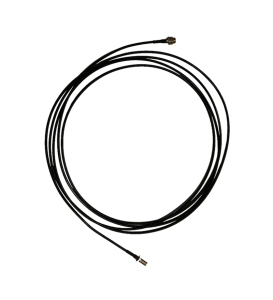
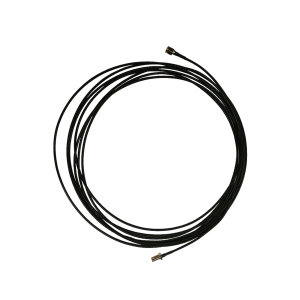
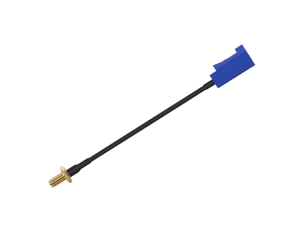
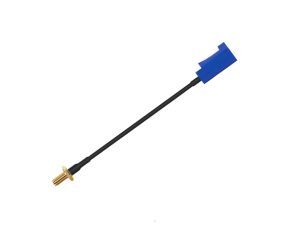
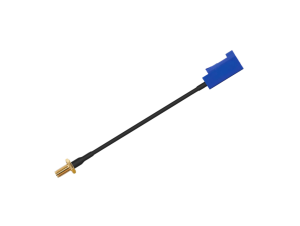
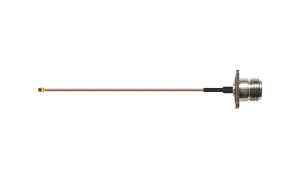
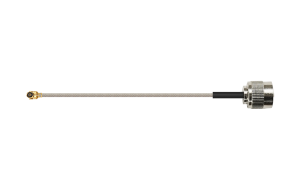
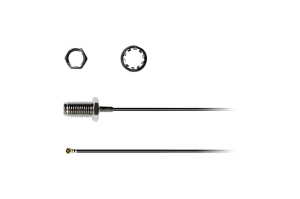
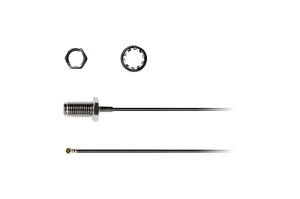
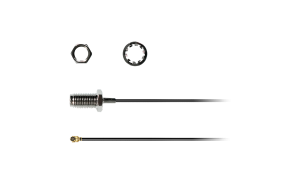
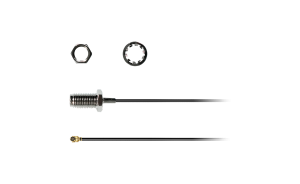
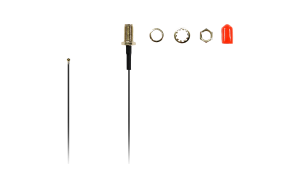
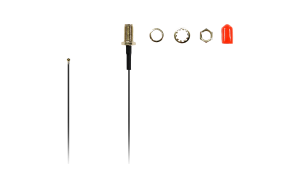
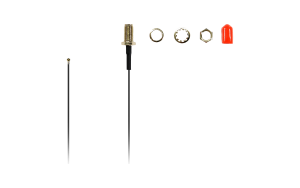
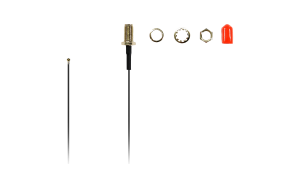
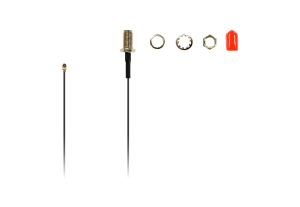
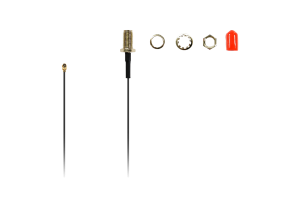
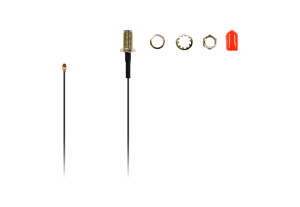
Coaxial cables (or ‘coax cables’) are designed to transmit radio frequency (RF) signals with minimal loss and interference. Coax cable selection can make a huge difference to the performance of your system. The attenuation, frequency range, shielding, and even bend radius all play a role in how well your RF design works.
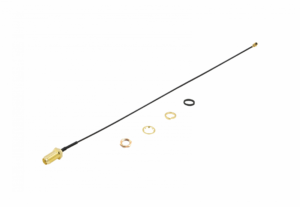
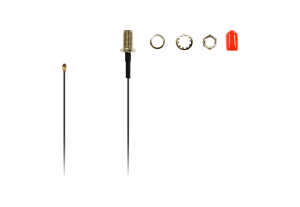
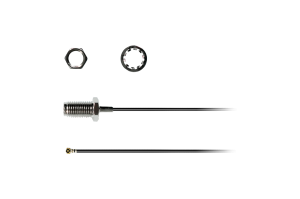
We supply high-quality RF micro-coax and full-size RF coax assemblies to our customers. We build these for consistent, reliable performance across a wide range of applications. Whether you’re developing compact IoT devices, integrating antennas into consumer electronics, or building communication and industrial equipment, our cables are designed to deliver clean, stable signals without unnecessary loss or interference.
Our range covers everything from ultra-thin micro-coax options like 0.81mm, 1.13mm, 1.32mm, and 1.37mm all the way up to thicker, low-loss coax such as RG-series cables and LMR types up to LMR400. We can produce almost any connector combination you need – including U.FL, MHF, MMCX, MCX, SMA, SMB, TNC, N-Type, and others – with assemblies customized to your required lengths, connector orientations, labels, and electrical specifications.
We manufacture every cable with care then inspected and tested them to ensure stable performance in high-frequency environments. Whether you need a standard off-the-shelf item or a custom build for a specific design, we focus on delivering cables that meet the technical requirements of your project and integrate cleanly into your system.
Our coax cables










Relevant resources

Get in touch
Quectel Statement on Compliance
Since the Company was established in 2010, Quectel has been guided by its mission to “Build a smarter world” and to consistently contributing to the growth of the global IoT industry. Today, Quectel has become a global enterprise with operations across numerous countries and regions and with a team of thousands of employees. We firmly believe that strengthening compliance capabilities and raising compliance awareness are essential to mitigating risks and building a sustainable future.
In proactively engaging with diverse global business environments, Quectel upholds high ethical standards, strictly complies with applicable laws and regulations, and respects business norms—making compliance a foundational principle of our operations regardless of where we operate in the world. We actively fulfill our social responsibilities and strive to be a trusted and responsible corporate brand. Quectel maintains a zero-tolerance policy toward corruption and malpractice, adhering to the core principles of integrity, fairness, and transparency.
Quectel is committed to continuously elevating our compliance standards and building systematic compliance capabilities:
First, we maintain a strong focus on key compliance areas. Quectel follows all applicable laws and regulations concerning export controls, trade compliance, trade secret protection, anti-bribery, and other critical domains. Should any business engagement pose a potential violation of these regulations, Quectel reserves the right to decline providing related products, technologies, or services.
Second, we continuously improve our internal compliance system. Quectel has established best-practices compliance risk management frameworks involving business units, compliance team, and audit department. We constantly refine business processes and control measures to prevent potential violations.
Third, we foster a culture of compliance and strengthen management awareness. Senior leadership places great emphasis on compliance building and dedicates ongoing resources to enhance these functions. Every Quectel employee is expected to abide by compliance requirements and embody our corporate values in action.
Together, we will advance with integrity and compliance, supporting Quectel’s journey toward its collective vision of long-term and sustainable growth.
Patrick Qian
Chief Executive Officer
Cellular modules
Cellular modules connect devices to mobile networks through a huge variety of form factors, interfaces, performance levels and price points

Related hardware

Relevant industries

Related services
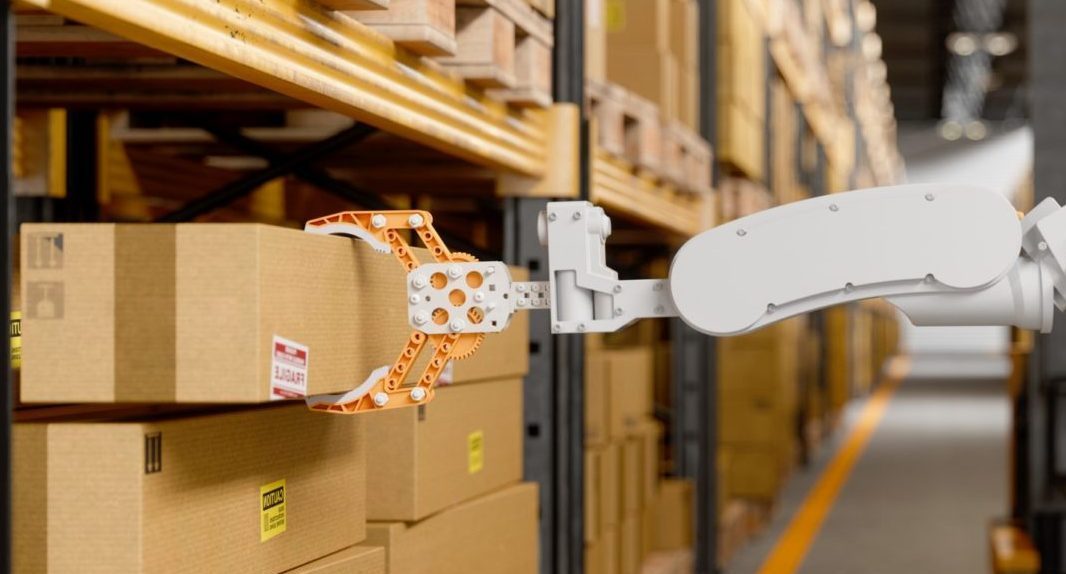
Cellular modules enable connected devices to communicate over mobile networks. They provide standardized interfaces, integrated baseband processors, RF hardware and pre-certified compliance for various mobile network technologies such as 2G, 3G, 4G/LTE, LTE-M, NB-IoT and 5G.
As the IoT has expanded across industries, cellular connectivity has become essential for applications requiring wide-area coverage, high reliability and long-term deployment. They also come in a wide range of form factors, including LGA, LCC, Mini PCIe, and M.2. This allows designers to select based on size, cost, versatility, power requirements, durability and more. Many cellular modules also include GNSS for location tracking, embedded SIM (eSIM) support, integrated antennas, and advanced security features.
The variety of cellular modules available allows IoT device designers to target an enormous range of applications. Some key sectors are telematics, transportation, smart cities, industrial IoT, energy and utilities. Innovators in telematics and transportation for instance use them for fleet tracking, dashcams, and logistics sensors. In smart cities, designers integrate cellular modules for waste management and environmental monitoring. In industrial IoT, energy and utilities, use cases include predictive maintenance, smart meters, and grid sensors.
For IoT device designers, the evolution of cellular modules presents many commercial opportunities, including faster time-to-market, global deployments, and scalability. Long-term viability can also be ensured by using 4G, LTE-M, NB-IoT or 5G modules. As IoT adoption grows across enterprises, municipalities and consumer markets, designers who understand how to deploy cellular modules are well-positioned to build competitive, scalable and future-ready products.
Quectel offers a vast range across all types of cellular IoT module. These include 4G LTE modules that provide higher bandwidth, low latency and improved stability over 2G and 3G. LPWA modules on the other hand are engineered for long battery lives, deep indoor penetration and low cost. Meanwhile, 5G modules deliver ultra-fast speeds, massive device density and extremely low latency. For detail on our full offering, please select from the options below.
Our cellular modules


Relevant resources



Get in touch

Relevant industries
Related services
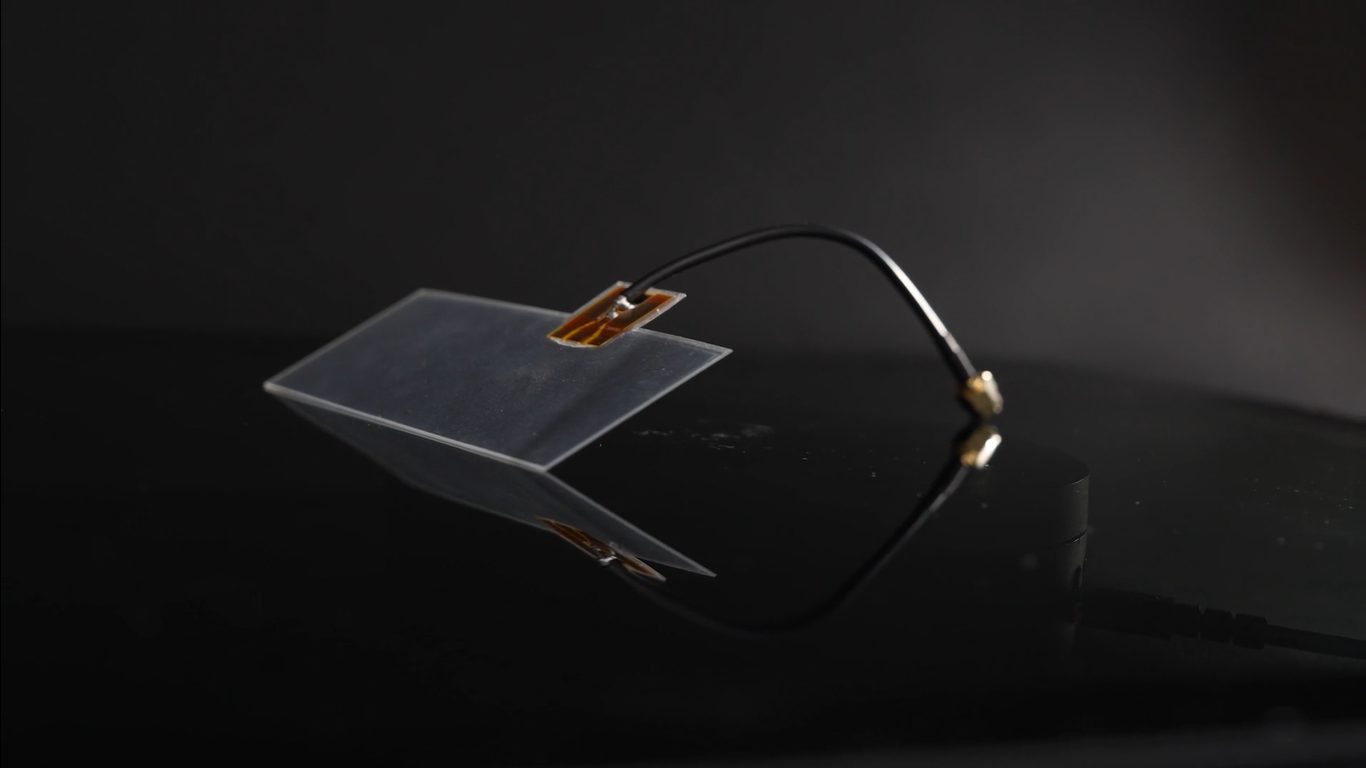
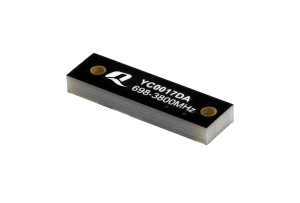
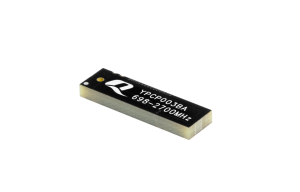
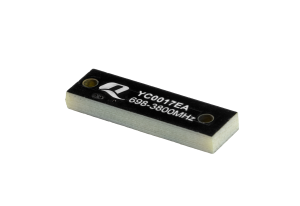
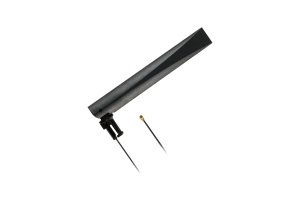
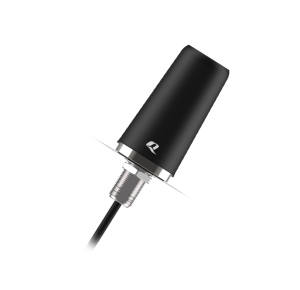
LTE antennas, also known as 4G antennas, connect IoT devices to LTE cellular networks, part of the 4G wireless standard. They enable long-distance, high-speed data transfer without relying on Wi-Fi or wired connections. These antennas provide wide-area coverage, reliable connectivity, and independence from local networks.
LTE antennas are especially useful for mobile or remote deployments and typically support LPWA connections through LTE-M and NB-IoT networks, making them ideal for tracking, monitoring, and remote data transmission. LTE antennas support multiple frequency bands and real-time communication, which is particularly useful for mission-critical IoT systems.
Industries that rely on LTE antenna technology include the automotive industry, where they power GPS trackers and telematics units. In industrial settings, they support PLCs and remote tank sensors. Healthcare applications include patient monitors and emergency tablets. Smart buildings use LTE antennas in security cameras and smart metering solutions. The retail industry relies on them for payment systems and ATMs with cellular backup. In agriculture, they enable weather stations and soil sensors.
4G antennas also enable high-definition video and audio in areas such as portable multimedia, smart safety and monitoring, as well as verbal communication through VoLTE (Voice over LTE). 4G antennas are also essential to wireless broadband, which enables internet connectivity without a fixed wired connection from an internet service provider.
Quectel offers a wide range of LTE antenna products for diverse IoT applications. The range includes embedded and external options, many of which support fallback to 3G and 2G for improved coverage in remote locations. We also provide antenna services including antenna selection guidance, integration support, network matching, and certification assistance. These services help improve wireless performance, reduce development time, and ensure regulatory compliance. Explore our full range of LTE antennas below.
Our LTE antennas




Relevant resources


Get in touch
Featured products

Relevant industries
Related services
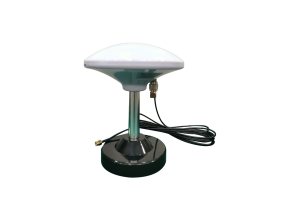
GNSS antennas connect IoT devices to the Global Navigation Satellite System. GNSS antennas enable accurate location tracking, reliable navigation, and precise timing across a wide range of connected devices. They are therefore becoming increasingly important in the IoT ecosystem, as in areas where cellular coverage is unavailable or unreliable, GNSS is often the only option for location data.
This means that in challenging environments such as remote locations, lack of cellular coverage can be overcome with GNSS antennas. This is especially true when GNSS is supported by RTK positioning and dead reckoning, which help to mitigate GNSS’ own limitations in scenarios where satellite signals are blocked, such as urban canyons. As a result, many IoT applications – such as micromobility, precision agriculture, and mining – now rely on high-precision GNSS solutions.
Careful selection of GNSS antennas is essential to balance low signal loss, high gain, and optimal sensitivity while remaining cost-effective. Performance in harsh environments, such as dense urban areas, or places with electromagnetic interference, is also a key consideration. Antennas designed for robust signal robust help ensure reliable connectivity and positioning, even under demanding conditions.
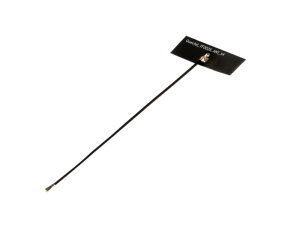
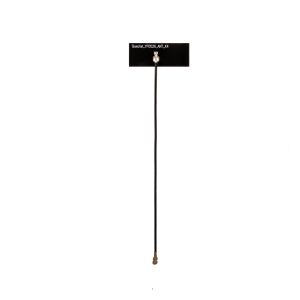
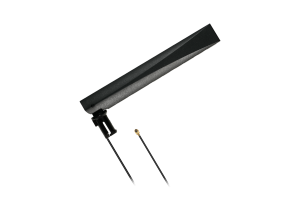
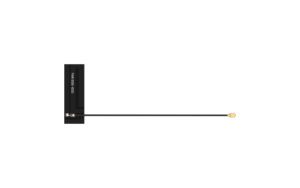
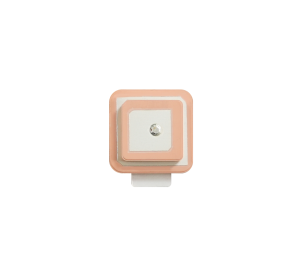
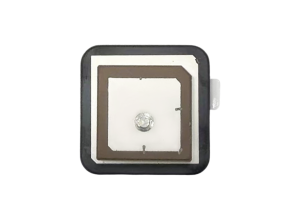
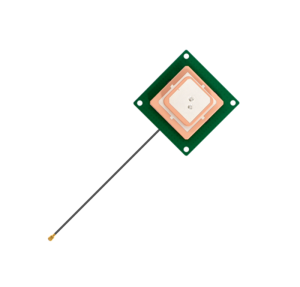
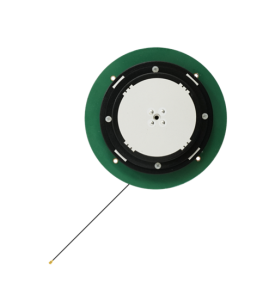
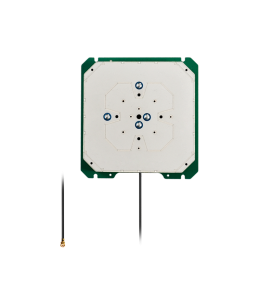
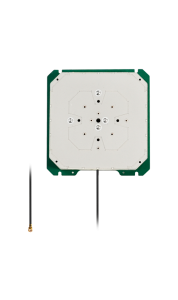
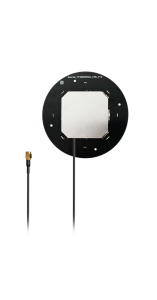
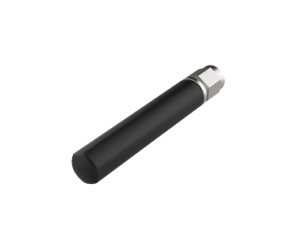
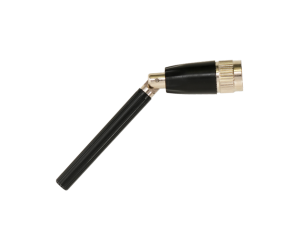
Our GNSS antennas come in various formats to support the best polarization and configuration for each application. Numerous single-band and dual-band options are available to give customers the choice they need to balance accuracy, reliability and cost. We also offer both active and passive antennas to meet different performance and installation needs. For example, customers can choose from pin mount, surface mount, magnetic mount, internal cable, or external SMA connectors. In addition, we provide customizable cable lengths and connector types to fit specific design or deployment needs. Explore our full range of GNSS antennas below.
Our GNSS antennas










Relevant resources



Get in touch

Relevant industries
Related services
Wi-Fi antennas connect IoT devices to Wi-Fi networks, enabling short- to medium-range wireless communication. This form of connectivity is increasingly valuable in IoT because it provides high data rates, broad device compatibility, high node density and easy use of existing network infrastructure.
Wi-Fi antennas therefore give IoT device designers a cost-effective way to enable reliable wireless connectivity. In addition, they support real-time data transfer, and their compatibility with standard protocols ensures broad interoperability. Wi-Fi antenna technology is most often used indoors, where Wi-Fi infrastructure is already ubiquitous.
It’s most common in devices found in smart homes, offices, healthcare facilities, retail spaces, and factories. In smart homes, examples include smart speakers and connected washing machines, while offices use them in HVAC controllers and wireless printers. Across healthcare facilities Wi-Fi antennas connect patient monitors and digital thermometers, while for retail they connect payment systems and digital signage. In factories, examples include predictive maintenance sensors and Wi-Fi connected control panels.
There is now however huge potential for Wi-Fi outside the home and traditional institutional settings – from stadiums and ports to even agriculture – positioning Wi-Fi as an increasingly compelling alternative to cellular connections. Wi-Fi 6 and Wi-Fi 6E offer better coverage, improved node density and lower power consumption than Wi-Fi 5 – dramatically improving performance in high-density environments which might otherwise require broadband.
Wi-Fi 7 goes further still, introducing breakthrough features like multi-link operation (MLO) and 320MHz channel bandwidth. This enables support for high-speed applications with ultra-low latency requirements such as AR/VR and cloud computing. Wi-Fi HaLow is meanwhile upending assumptions over Wi-Fi’s range and penetration by connecting smart cities, sprawling industrial sites and farms. These newer Wi-Fi standards also offer low power consumption, benefiting battery-operated devices.
Quectel offers a wide range of Wi-Fi antenna products tailored for diverse IoT applications. The range includes embedded and external options, with compact footprints to suit space-limited designs. They come in range of form factors including ceramic chip, FPC + cable, rubber and PCB antennas. We also offer comprehensive antenna services including antenna selection and integration assistance, matching network tuning, and certification guidance. This end-to-end approach helps manufacturers speed up development, improve performance, and meet regulatory requirements. Explore the full range of Quectel Wi-Fi antennas below.