Ask the Quexperts: How should I choose between Matter-over-Thread and Matter-over-Wi-Fi?

As with most technology decisions, the right answer really does depend on the use case and the characteristics of the device you’re designing. The good news is that in this scenario, the decision is clear-cut. Matter-over-Thread is ideal for low power, battery-operated devices, such as door sensors, motion detectors, and smart locks while Matter-over-Wi-Fi is better-suited for high bandwidth devices that plug into wall outlets such as smart cameras or streaming displays.
The selection of Matter itself is sensible. The smart home application layer protocol has achieved mainstream scale since its late 2022 release and has successfully addressed the smart home ecosystem lock-in and fragmentation concerns of users. With Apple, Google, Samsung and Amazon aligning behind Matter in January 2022, the need for multiple hubs and proprietary bridges has been reduced, giving users true choice and enabling a multi-vendor smart home environment. The Wi-Fi Alliance embraced the protocol with its Matter-over-Wi-Fi certification in September 2025 which ensures reliability and power conservation for smart home networks.
Beyond the broad categorization of Thread for low power and low bandwidth devices and Wi-Fi for higher bandwidth, higher power use cases, it’s worth looking into greater detail to help you decide. Matter-over-Thread devices connect to each other in a secure mesh network that is strengthened as more Thread devices, especially those that are mains-powered, are added. However, many devices are not mains-powered and there are performance limitations to consider with a communicative network of many battery-powered devices.
Relevant resources


Matter-over-Thread offers maximum throughput of 250Kbps, with typical usable speeds of around 125Kbps, which is easily sufficient to support small, chatty products that communicate frequently but use very little bandwidth. Each device in a Thread network receives its own valid IP address and the technology is based on the international IEEE802.15.4 wireless standard operating in the 2.4GHz band and using IP v6 addressing. Thread is a self-healing mesh network where devices forward data not only for themselves but also for neighboring nodes. If a node fails or is switched off, the network automatically discovers alternative communication paths, helping to ensure devices can continue to operate.
Thread can also help to extend battery lifespans for sensors and locks to multiple years, thereby enhancing the customer experience while reducing maintenance costs. Manufacturers report 30-40% cuts in firmware overhead because one code base now covers multiple ecosystems, reports Mordor Intelligence.
In addition, Matter-over-Thread requires a Thread border router, such as a smart TV, smart speaker or hub, so devices can connect to a home network. Border routers became vendor-neutral in the Thread 1.3.0 specification of July 2022 and, if multiple border routers are installed, communication continues if one goes offline. However, the router is the essential device for Thread communications because it acts as the gateway between the Thread devices and the home network.
Why Wi-Fi still matters
Wi-Fi continues to be a popularly adopted option for smart home device makers, the technology supported more than 60% of revenue in 2025 in the sector and is cost-effective and well understood. With the ability to support data rates ranging from 50Mbps to well in excess of 1Gbps, Matter-over-Wi-Fi devices connect directly to a standard wireless router and work immediately without the need for additional hardware such as a Thread border router.
Wi-Fi wins here because components are mass-produced at mega-volumes and modules are relatively low cost. Thread, in contrast, often has higher silicon and certification costs per device, although this is not always the case.
Relevant products

Wi-Fi & Bluetooth FLM263D series
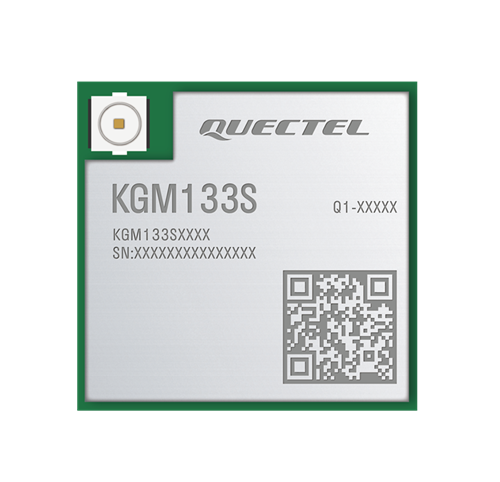
KGM133S Matter, Thread, Zigbee & BLE module

Wi-Fi & Bluetooth FCM365X
The downside is that Wi-Fi has higher power requirements and needs either frequent battery replacements or access to mains power. In addition, Matter-over-Wi-Fi devices can add to network congestion of a user’s wireless channel and create a single point of failure if the Wi-Fi router goes down.
In summary, Thread-over-Wi-Fi is a well-supported technology that has achieved mainstream adoption. It is ideal for battery-powered devices that communicate small amounts of data frequently and for devices that will fit into larger smart home ecosystems without the need for their own power supplies. It also offers resilience thanks to the secure mesh network that Thread devices create. The price premium the technology demands, and the need for a Thread border router, present barriers so end user device choices are often made as part of a wider smart home setup purchasing decision.
Matter-over-Wi-Fi, on the other hand, is best-suited for high-bandwidth devices that plug into mains power outlets and it offers advantages over Thread-over-Wi-Fi if you need greater throughput, don’t face power constraints and your device can access a standard wireless router. Finally, the familiarity and pre-existing presence of a Wi-Fi router make installation straightforward.
To learn more about Quectel’s smart home solutions, visit: https://www.quectel.com/library/smart-homes-smart-buildings-white-paper