Smart homes and smart buildings white paper
Short-range technology developments and the rise of interoperability standards are enabling smart home and smart building markets to scale
Read white paper
Interoperability is the key to unlocking smart building adoption
Short-range wireless technologies are the connective tissue of the smart home and smart building revolution. Wi-Fi, Bluetooth, Thread, and Zigbee are now well-established across residential and commercial deployments, with leading brands shipping multi-protocol devices as standard. The ecosystem has matured significantly, but the next phase of growth depends less on the capabilities of individual protocols. Instead, it depends more on how effectively they work together within an increasingly complex device landscape.
That is where interoperability becomes the defining factor. The Matter standard is doing more than simplifying deployment. It is dismantling the vendor lock-in that could otherwise constrain market expansion. Multi-protocol architectures mean the industry is avoiding a winner-takes-all battle. For engineers and product developers, this shift from siloed point solutions to integrated, interoperable ecosystems represents both a technical challenge and a significant commercial opportunity.
Standardization efforts such as Matter are simplifying smart home deployments, enabling products from different vendors to integrate with each other so users can create comprehensive smart home environments rather than deploy a complex portfolio of point solutions.
Market data points to impressive growth. Forecasts predict industrial smart building deployments will grow by almost 150 million units by 2030, driven by systems that cut energy wastage and address specific vertical needs. This is not incremental growth. Rather, the smart building market is on course for a step-change in deployment scale. It will ultimately reshape how buildings are designed, managed, and operated for decades to come.
The smart homes market tells a similar story, with valuations set to almost double by 2031. Penetration rates in both North America and Europe are rising steadily, as increased uptake of energy saving devices and a generational shift in buyer expectations drive growth. First-time buyers increasingly treat automation as baseline infrastructure rather than an optional extra. Furthermore, tax incentives for connected HVAC, battery storage, and EV chargers are actively bringing new segments of the market online.
Relevant products

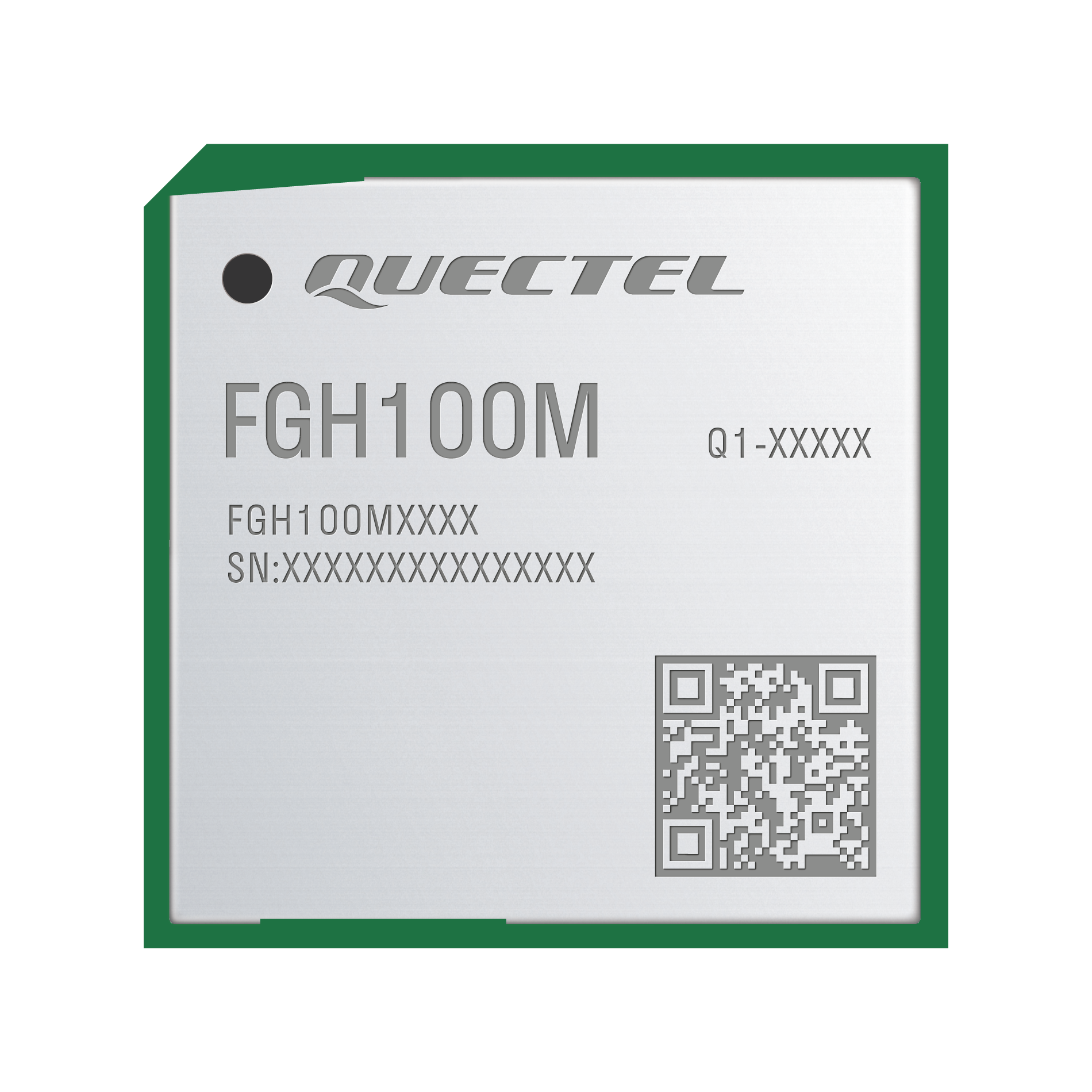
Advances such as developments in low-power semiconductors that extend battery life and shrink device form factors are further expanding the range of viable smart home and building applications. Quectel is well-positioned to support these developments, with a comprehensive portfolio of short-range modules, antennas, software and services that covers every major connectivity standard. With more than 7,000 customers and eight R&D centers worldwide, we bring deep expertise across the full smart home and smart building stack.
Read the white paper to explore the full picture of how connectivity technologies, interoperability, and the evolving market are coming together. The paper covers a range of Quectel modules built specifically for smart home and smart building use cases. The FGA66X combines Wi-Fi 6, BLE, Thread, and Zigbee in a compact SMT package ideal for rugged designs. The KGM133S supports Matter, Thread, Zigbee, and BLE 6.0, making it a standout choice for interoperable Matter-over-Thread deployments. For edge computing applications, the FCM665D adds machine learning and audio/video processing capabilities. Explore the full range in context by downloading the white paper below.