How to ensure longevity in smart home and smart building devices
Smart homes and buildings are going through a shift in technology as buyers select devices that are easy to set up and integrate with others across the smart home ecosystem. The market is maturing rapidly, and technical certainties, such as Wi-Fi and Bluetooth, are being augmented or replaced with alternatives such as Thread. Customers want devices that they know will work with the devices they have now as well as with future purchases. They also don’t want to be locked-in to a single brand or technology.
Similarly, building operators and owners need to ensure their smart building technologies are future-proof and provide the flexibility to meet changing regulations across health and safety, environmental issues, and security. Smart building devices therefore need to demonstrate long-life capabilities with adjustability. They need to install devices such as smart locks, HVAC controllers, energy management systems, and lighting with the confidence that systems are not proprietary, inflexible, or unable to adapt to future requirements.
The same challenge is clear for smart home devices, especially for long-life devices like thermostats and lighting controllers. OEMs need to consider the impact of greater automation, AI, and more intelligent devices on smart homes and buildings. These innovations will see more focus on automation that enables smart homes to do what customers want autonomously, rather than automation that simplifies users’ requests for a pre-defined process or function.
Relevant resources

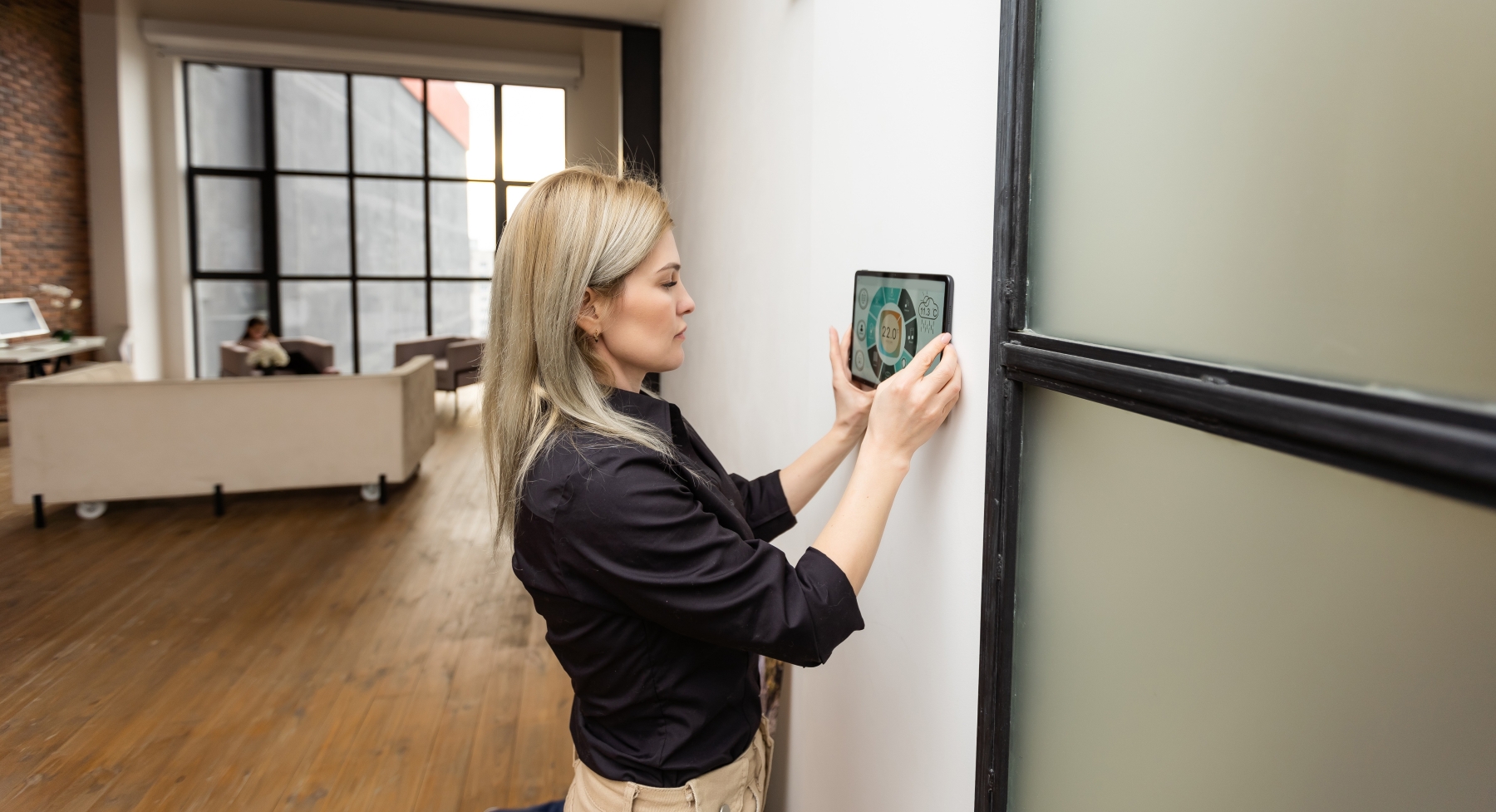
The smart homes and buildings sector has a poor reputation for software-based upgrades, with devices such as smart televisions, dishwashers, and washing machines often falling out of guaranteed support windows in just two or three years. In a sector that will be increasingly characterized by over-the-air software and firmware upgrades, reaching the support cliff will leave customers disappointed and unwilling to buy new products from brands that have failed to support them.
In-life revenue opportunities
There is substantial revenue at stake here. Research firm Statista reports that the average revenue generated per installed smart home is currently US$20.18 per year, in part of a market valued at US$59.5 billion. This will rise to US$184.6 billion in 2031. It’s therefore essential that smart home vendors’ focus moves from simply selling products with relatively short expected lifespans to designing products that are ready for longer lives and can be easily, and ideally automatically, upgraded over-the-air multiple times over the course of their live deployments.
Doing so will result in happier customers, the potential to generate more in-service revenue and the ability to participate in a more smoothly integrated ecosystem. That’s only part of the challenge facing smart home and smart building device makers. They also need to consider which technologies to embed in their products, and that landscape is currently transforming at speed.
Where once the go-to technologies were exclusively Wi-Fi and Bluetooth, the market is seeing a substantial increase in Zigbee and Z-Wave devices. However, the alignment of the Matter standard for smart home devices with Thread, a low-power, wireless mesh networking technology, allows multiple devices to communicate directly with one another rather than via a gateway. Matter over Thread is now being adopted by brands such as Apple, Google, Philips Hue, IKEA, Samsung, NanoLeaf, and Eve, and typical use cases include smart bulbs, sensors, thermostats, and locks.
Relevant products
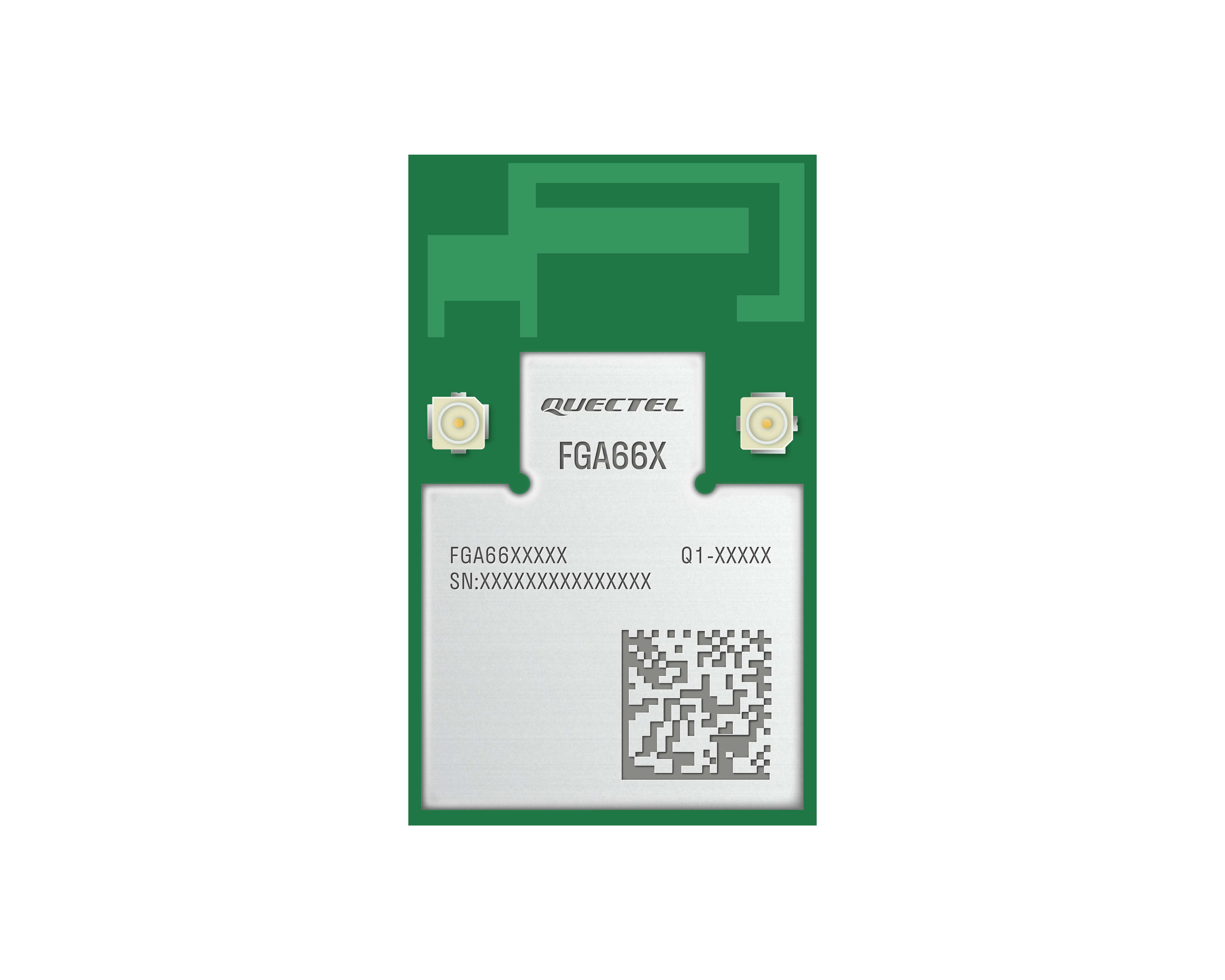
Wi-Fi & Bluetooth FGA66X
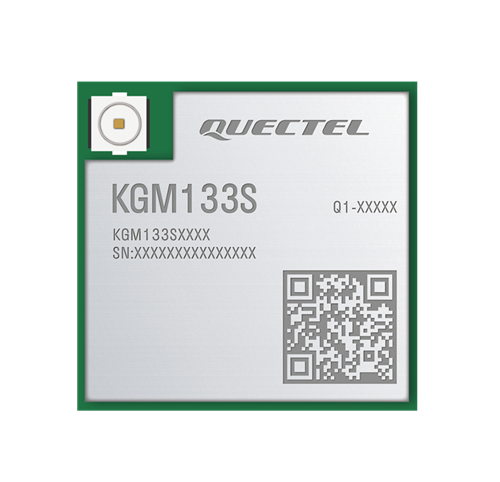
KGM133S Matter, Thread, Zigbee & BLE module
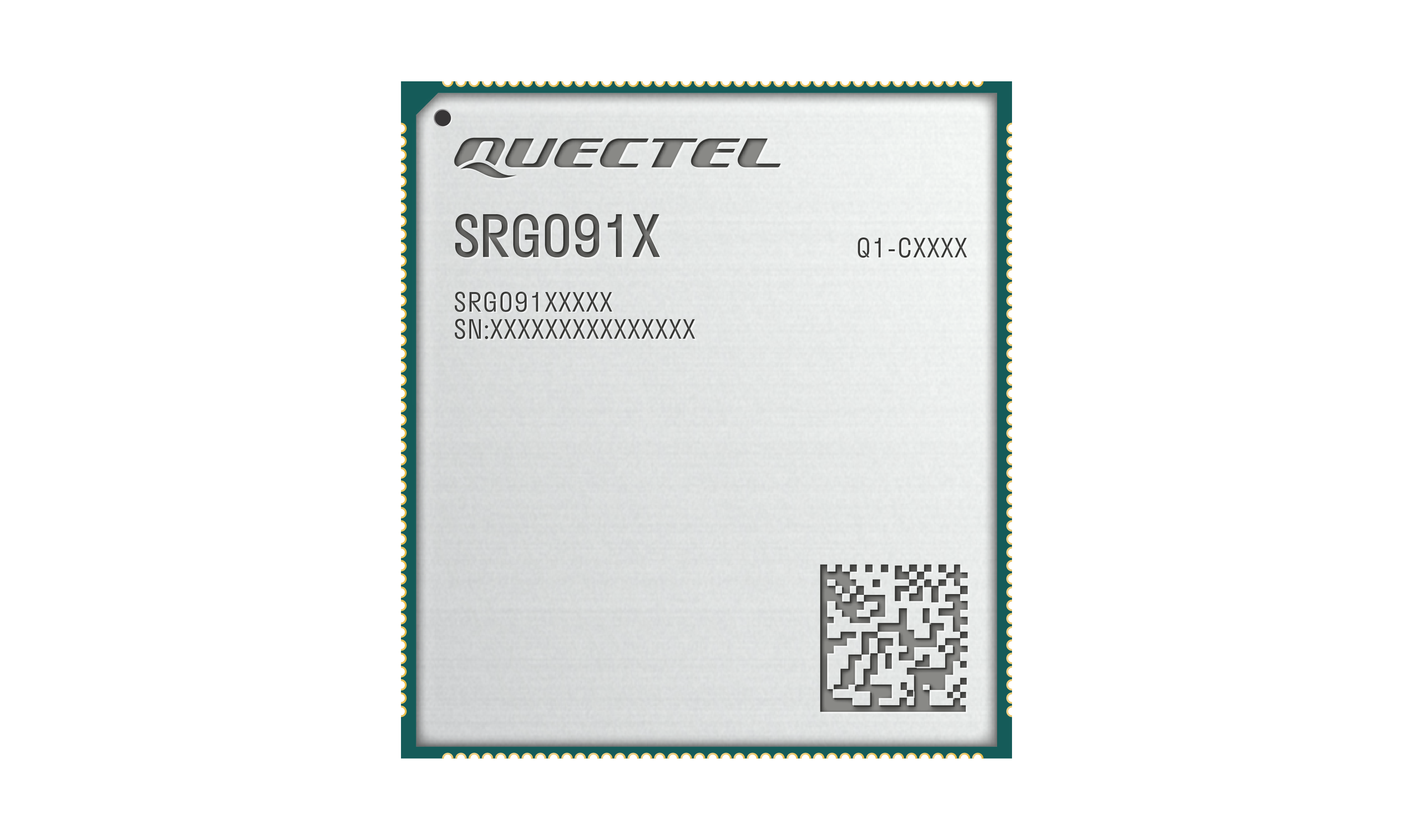
SRG091X NXP i.MX91 SOC module series
Smart locks, for example, provide essential ingress and egress control for large buildings, ensuring external doors only open for residents and authorized visitors. The ability to control these frictionlessly and wirelessly improves overall building security and also results in a better experience for buildings users. Locks are typically in place for many years and reliability is critical to ensure maintenance costs are minimized and access can be controlled effectively.
HVAC controllers are also increasingly important as homeowners and building managers seek to optimize the comfort of residents. Enabling automation that maintains a selected temperature in specific rooms and areas of buildings can help save on energy consumption and help manage a building or home’s environmental footprint.
Energy management smart home devices can achieve significant savings in power consumption, resulting in cost savings and greater environmental efficiency. Powering down systems such as HVAC or smart lighting when areas are empty, or adjusting loads according to the time of day or night, enables seamless optimization to occur, but this does rely on a network of sensors and controllers that are ubiquitously connected.
Preparation for the future of smart home devices
If the next five years are set to be characterized by cross-brand interoperability enabled via standardization and AI-powered predictive automation, the ten-year view is even more complex. Increased reliance on integrated home robotics, digital twins, and proactive healthcare and wellness systems is expected. Some devices of today, such as lighting controllers, will be expected to integrate with these use cases and not require customers to buy new products.
Relevant resources
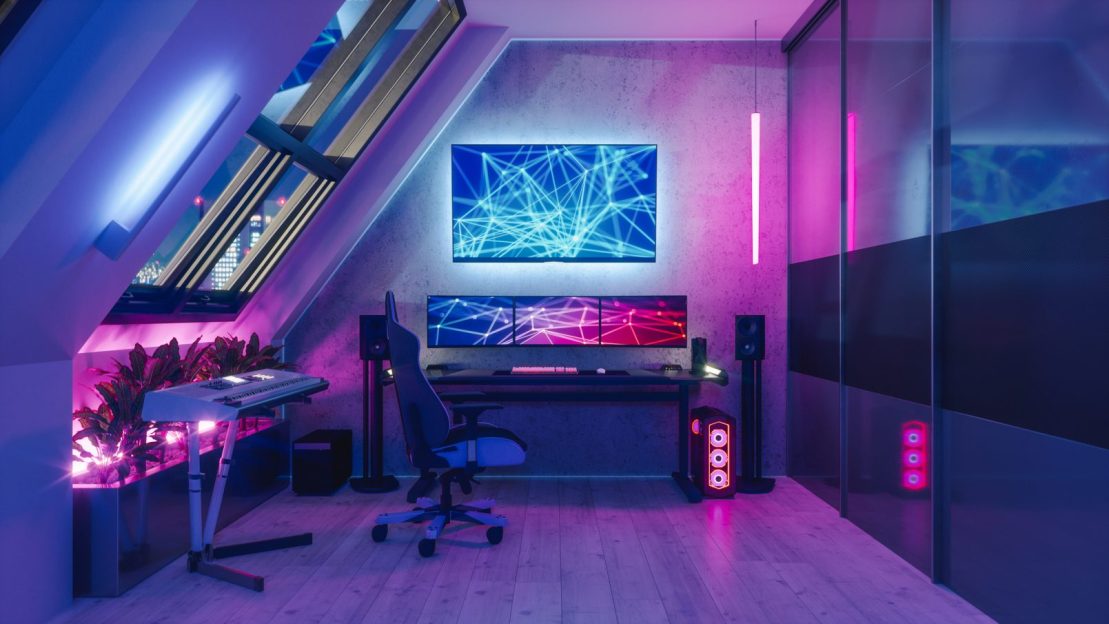

The smart home also will have a need to communicate with a wider ecosystem across the smart building it is located in and the smart city in which individual homes like it will communicate directly with microgrids, urban infrastructure, and local resource distribution. What might appear to be relatively trivial technology decisions about a temperature sensor today will become essential and critical enablers of optimized energy consumption and efficient autonomous smart home and building functions in the next generation.
The current challenge is to design for the price-point and functionality needs of today’s market while also building in a sustainable upgrade path that has the potential to take current devices into the autonomous, AI-fueled era. Experts like Quectel have the experience and resources across all relevant smart home and smart building technologies to help you future-proof your designs so they are ready to help build an even smarter world.
To learn more about how device makers are innovating to create the next generation of smart home and smart building devices, read the latest Quectel white paper here.