Antenna selection guide: specialty fleets and public service vehicles
How to select the right antennas for specialty fleets and public service vehicles
Read guide
Combo antennas keep service vehicles connected in all conditions
Public service vehicles once relied on dedicated radio networks, but that landscape is transforming. Fire trucks, ambulances, police cars, and utility vehicles now draw on alternative networks, including commercial LTE and 5G, alongside traditional networks like TETRA and P25. Some agencies are even piloting private cellular. For fleets, the result is a patchwork of technologies, each suited to a different purpose, location, or moment in an emergency.
This new mix of networks also supports far more than voice. Real-time video, CAD access, vehicle telemetry, body cameras, and automatic vehicle location are now essential for fleet management, and they all depend on reliable connectivity. A weak or dropped signal means slower response times or patchy situational awareness. Yet delivering it is hard. Poor antenna placement, ground-plane limitations, urban multipath, and cable losses can all quietly erode performance.
Relevant products
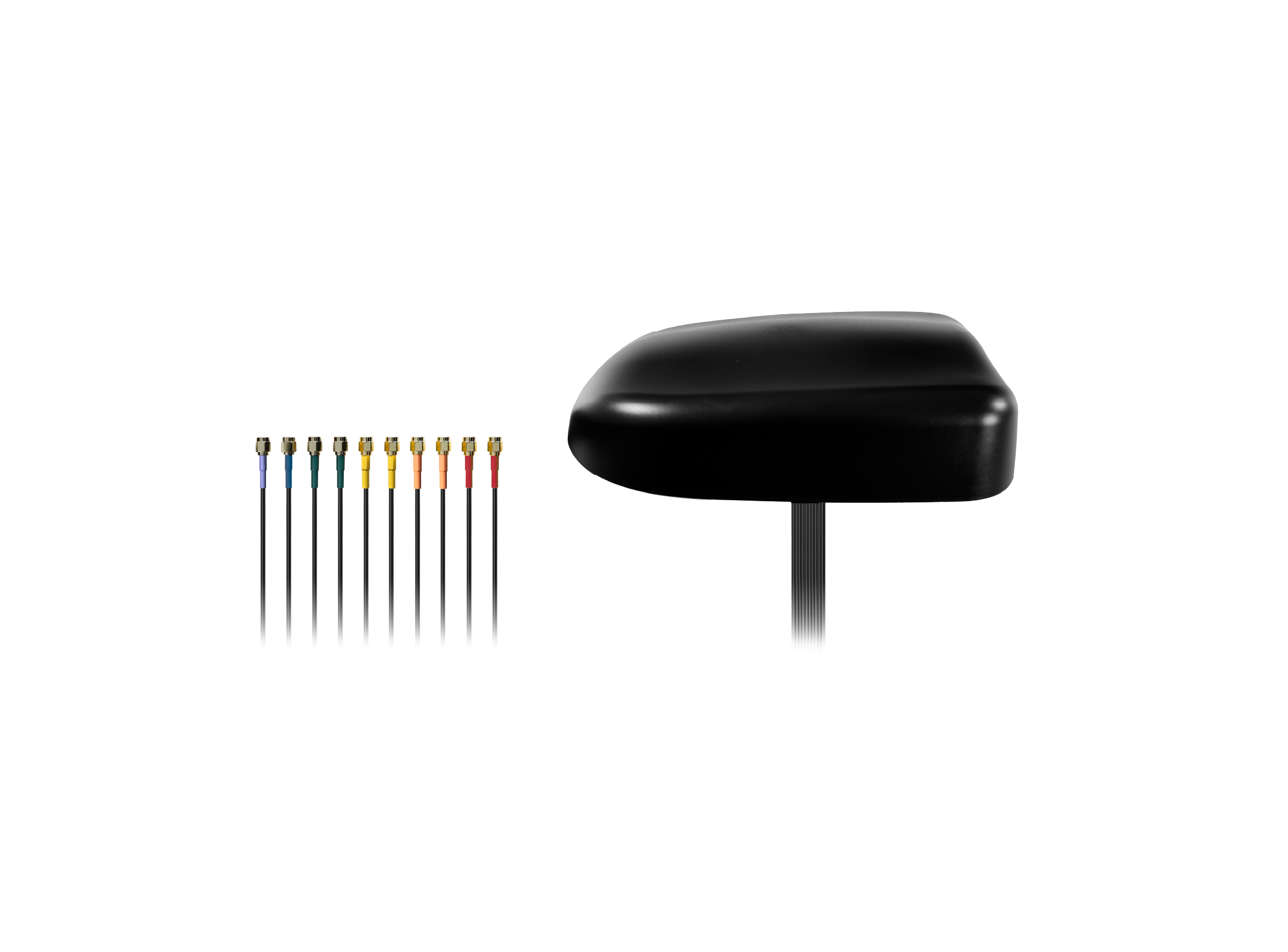
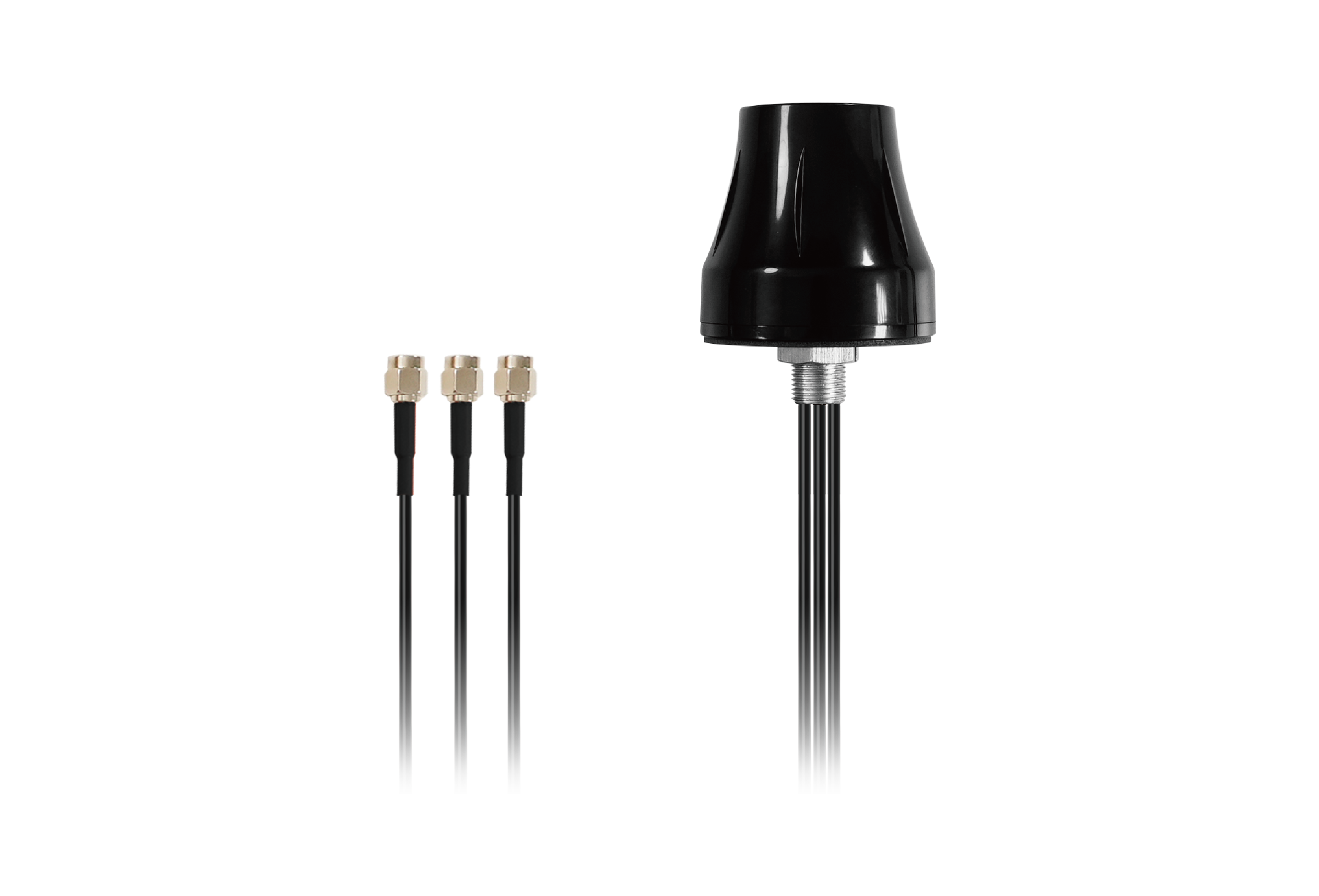
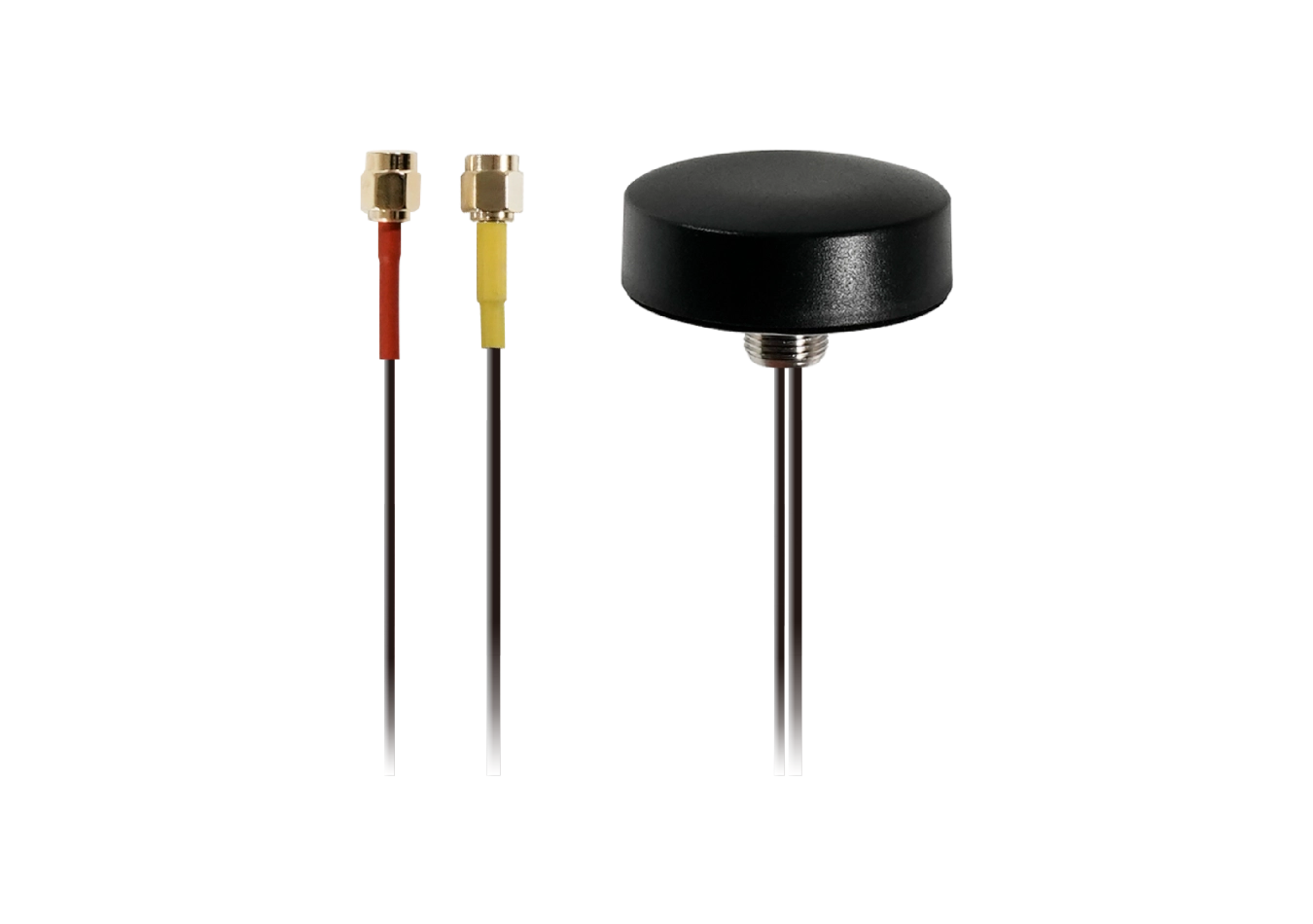
These pressures translate into a clear set of requirements. Multi-band support across TETRA, LTE, 5G, Wi-Fi, and GNSS is now a baseline. Ruggedization to IP67-plus and IK-rated standards matters too, alongside low-profile housings that won’t obscure lighting or invite tampering. Future-proofing is also important, so today’s vehicle can support tomorrow’s technology without a costly retrofit.
Modern emergency vehicles are no longer radios on wheels. They’re command centers as well as fire trucks, police cars, ambulances, and rescue vehicles. The days of vehicles relying on radios alone to handle developing situations are over.
The incentive to get things right is growing fast. The public safety communications market is forecast to more than double by 2031, climbing from US$31.4 billion in 2024 to US$72 billion, growing at 12.9% a year. Meanwhile, combo antennas, which fold several technologies into one housing, are positioned to capture this opportunity. Still, choosing the right combination calls for careful engineering.
There’s no universal fix across enterprise and specialty fleets. A speeding police cruiser, an off-grid fire truck, and a city-center ambulance each need something different. Get the selection wrong, and performance suffers exactly when it matters most. The guide covers several Quectel antennas built for exactly these scenarios, including the ten-in-one YENA00L5AH and the railway-rated YEMT901J1AH.
Relevant products


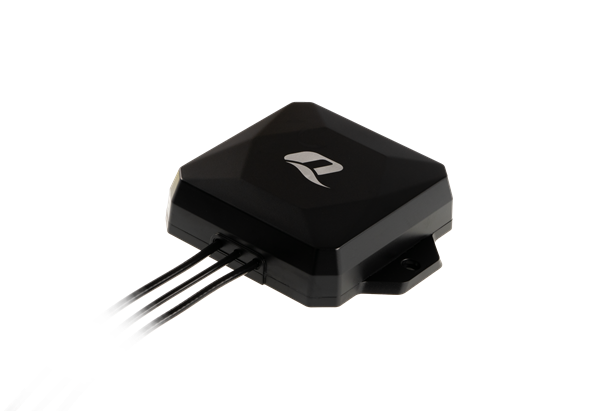
Quectel backs its extensive range of antennas with real engineering depth. This includes over 100 dedicated antenna engineers and 19 testing chambers worldwide. Antennas are designed to drop into existing OEM mounting holes, with custom cable lengths and connectors available to simplify installation. Read the guide to find out more about antenna selection for public service vehicles, including how combo antennas work, which products suit which use case, and what else specialty fleet management teams need to consider.