Ask the Quexperts: How to choose the right module for smart home devices

Smart home device sales are growing as costs come down and systems become more and more simple to set up. Smart locks, smart speakers, energy monitoring, lighting and HVAC controls are improving users’ lives and helping them to optimize their homes to suit their lifestyles. Technology has evolved to meet these needs with low power, short range networks such as Wi-Fi, Bluetooth and Bluetooth Low Energy (BLE), Thread and Zigbee all being adopted by large brands.
Each of these network protocols are different so fragmentation needs to be avoided to ensure the user experience is attractive. This means we’re increasingly in a multi-protocol world in which smart home devices need to combine multiple network technologies to ensure usability. Smart home device makers are now looking beyond their own ecosystems as they recognize that customers will select different devices from different vendors and expect these to integrate smoothly with their smart home ecosystem.
The multi-protocol landscape
This places significant pressure on device makers to ensure interoperability. It’s critical that a connectivity fabric can enable devices and sensors to interact with each other to provide a consolidated view of the smart home. To achieve this, integration of multi-protocol connectivity is essential. This is a significant shift away from previous generation smart home devices that would have utilized one or perhaps two network technologies, such as Wi-Fi and Bluetooth.
Wi-Fi is still a foundational technology because it provides high-speed, high-power connectivity for devices that need to make large data transfers, such as video doorbells or safety cameras. Users are familiar with it and home Wi-Fi networks can be used to connect to the internet.
Bluetooth addresses the other distance extreme and is typically used for short range tasks because of its low power usage. Smart locks, building access and pet tracking, among many other smart home use cases are popular Bluetooth and BLE use cases.
Zigbee is ideal for connecting dense sensor networks and lighting systems. The latest Zigbee specification, Suzi, supports sub-G frequencies. Another alternative is Z-Wave which operates in sub-1GHz frequencies with a transmission rate of around 100kbps.
Related products
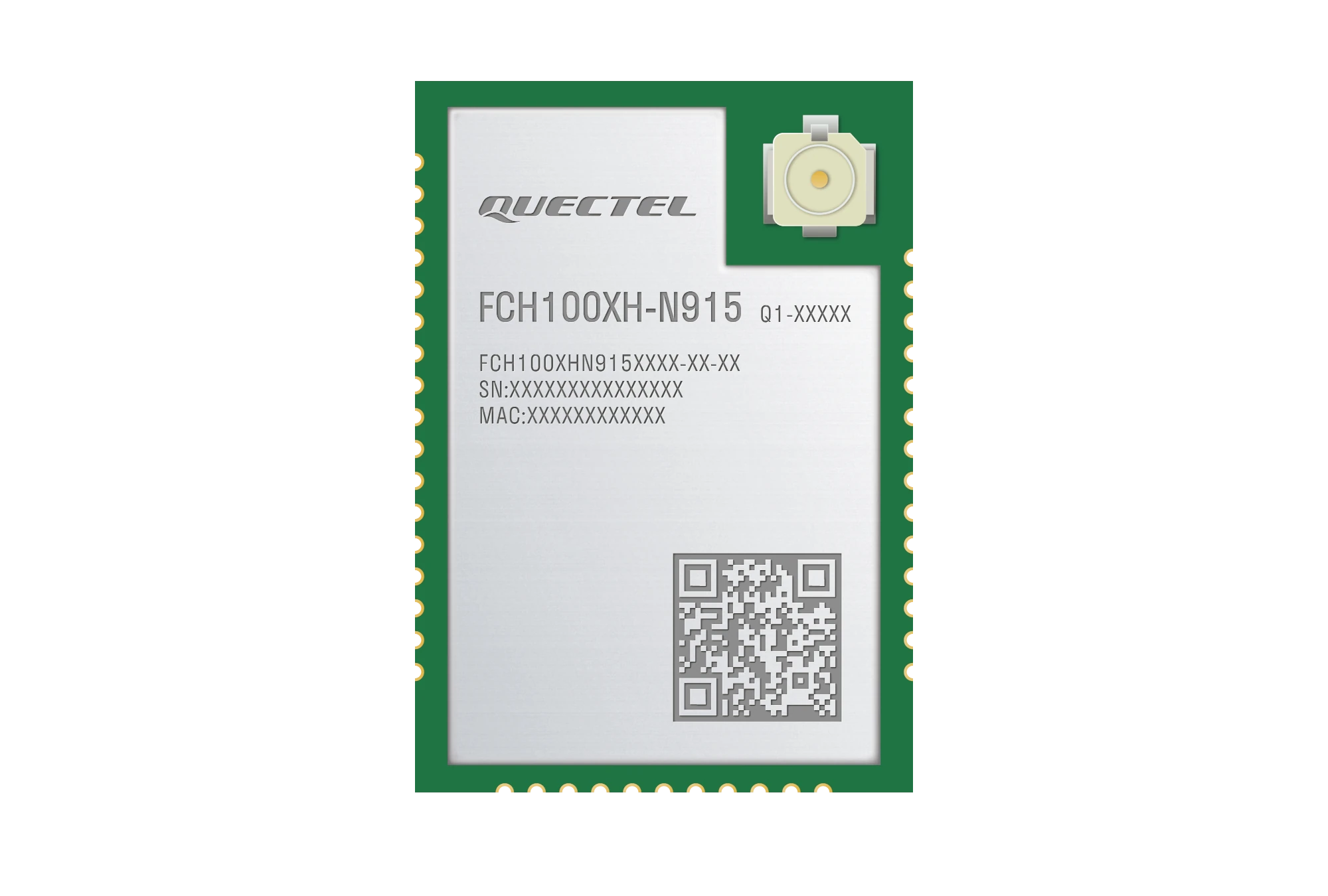
Wi-Fi HaLow FCH100XH-N915
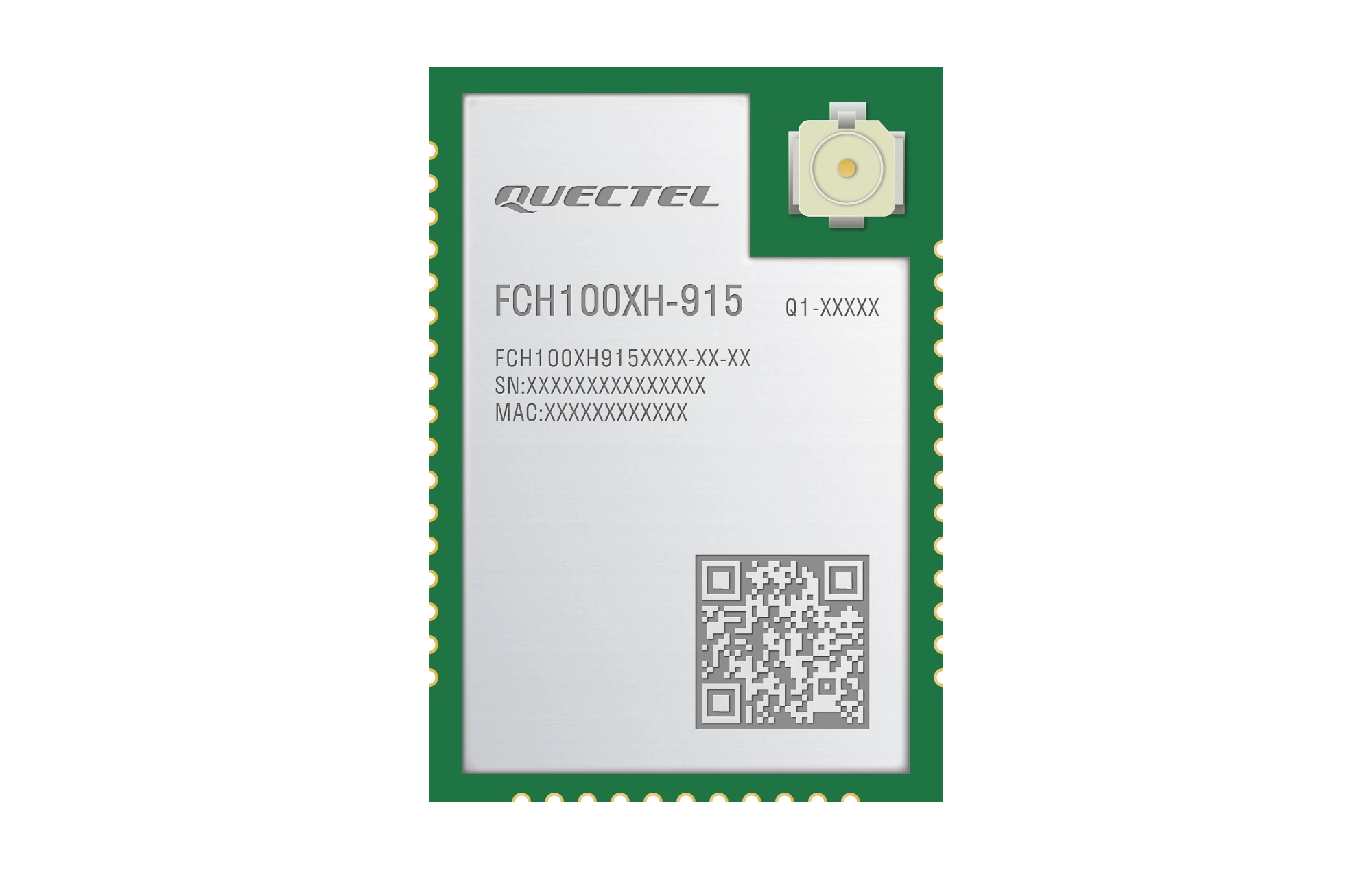
Wi-Fi HaLow FCH100XH-915
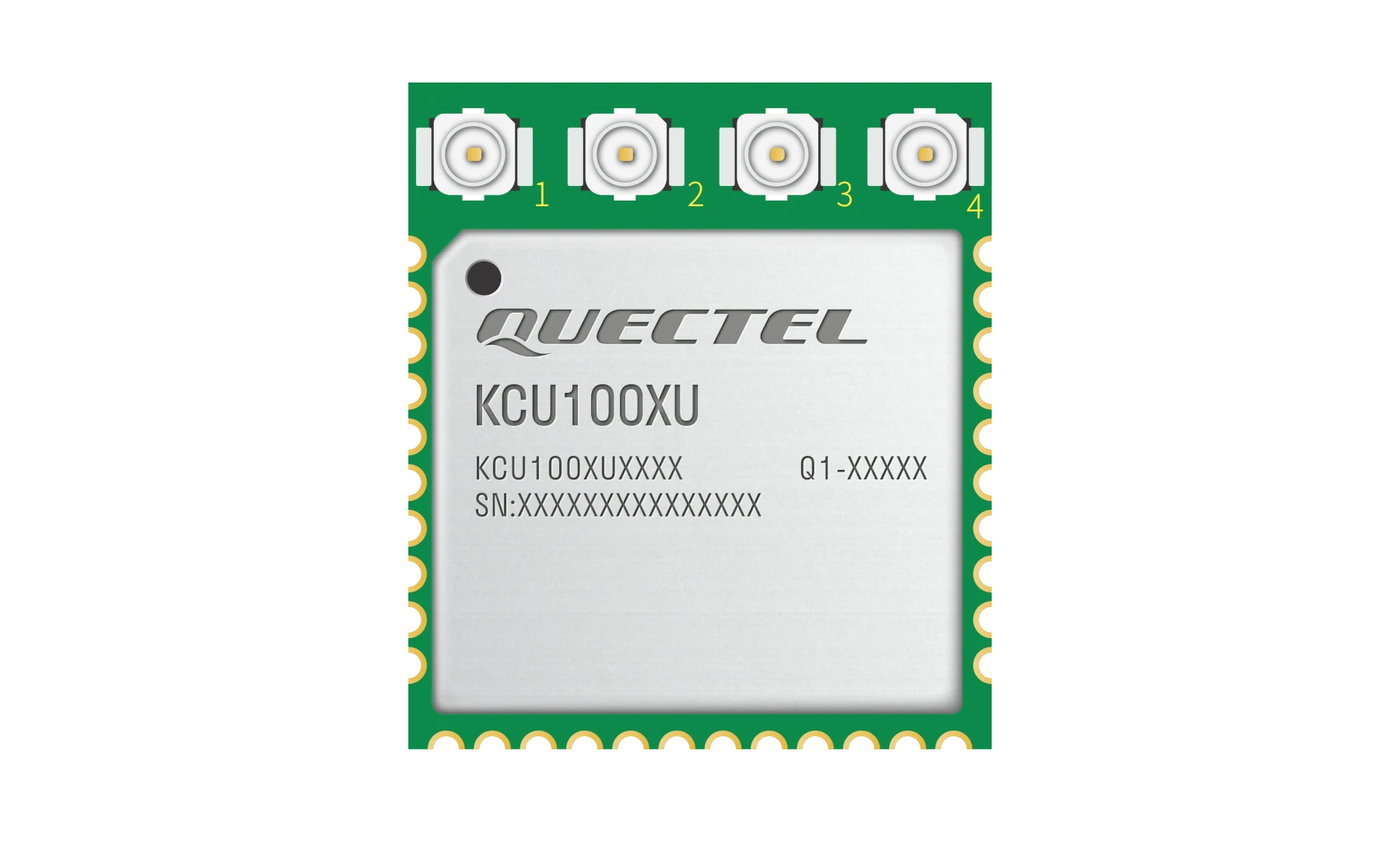
KCU100XU UWB module
The heart of the Matter
Thread provides a secure, low power IP-based mesh network and uses a Thread border router instead of central hub, potentially saving overall solution costs. This can be built into devices, such as smart speakers, enabling devices to connect directly to the internet. Importantly, the Matter-over-Thread variant uses the Matter application layer which allows Matter-compliant devices from different manufacturers to work together. Matter-over-Thread provides faster response times than Wi-Fi while consuming less energy so it’s ideal for battery devices. It does require a Thread border router to connect the low-power Thread network to the main home Wi-Fi network.
Analyst firm Mordor Intelligence predicts that Zigbee and Z-Wave will face displacement as Matter elevates Thread. Apple’s HomePod Mini, Google’s Nest Hub Max and IKEA’s new range of connected products, now function as Thread border routers, establishing foundational mesh coverage without the need for dedicated gateways. Bluetooth Low Energy remains a niche solution for proximity-based locks and health wearables, where rapid pairing overrides its range limitations.
Multiple-choice answers
The fundamental choice of which connectivity technology to select is determined by the use case and the limitations of the device in terms of power, form factor and cost. Matter-over-Thread is increasingly utilized for smart door locks thanks to the interoperability and low power consumption it offers but we also see many battery-powered and low-power Wi-Fi devices being utilized to support sensors and smart lighting and electrical controls.
It’s therefore necessary to carefully assess how your device will be used by customers. Once you are clear about this, it’s easy to select a module that integrates multiple protocols that best match the needs of use case. Increasingly, smart home devices will incorporate Wi-Fi for longer range connectivity, BLE for short range applications and Matter-over-Thread to ensure interoperable mesh connectivity across the smart home.
Relevant resources


Quectel has a comprehensive portfolio of modules designed to fit developers’ needs closely. This incorporates modules that combine all of the protocols mentioned in this article and modules that offer two, three or more protocols. The Quectel modules portfolio provides maximum flexibility to support smart home use cases and find the perfect blend of protocols, power consumption and cost efficiency for their projects.,
As acceptance of the multi-protocol smart home landscape grows, developers will seek to specify modules that most closely fit with their application’s needs and the situations in which it will be used. Integrating multiple connectivity protocols in the module provides flexibility but engineers should also consider the cost implications and ensure they specify only the protocols their use case needs, taking into account likely impacts of innovation during the device’s lifecycle.
To find out more about Quectel’s portfolio of short-range modules for smart home use cases, visit: https://www.quectel.com/wifi-modules-bluetooth-modules/