Robotics design white paper
How all-in-one smart modules help solve robotics design challenges
Read white paper
All-in-one smart modules give IoT robotics developers the simplicity, flexibility, and performance they need to build better robots faster
Robotics is one of the fastest-growing sectors in IoT. Robots are now working in logistics warehouses, automotive factories, and hospital corridors. Exoskeleton robots are reducing physical strain on workers, and unmanned vehicles are increasingly solving real-world delivery challenges. Meanwhile, AI and machine learning are transforming robotics design, enabling better navigation, perception, and autonomy. On top of this, integration with closed-loop automation is expanding the range of use cases further still.
The global robotics market reflects this momentum, reaching almost US$50 billion in 2025, up 11% on 2024. It has a forecast CAGR of 14% through to 2030 – by then, the market will reach US$111 billion, with nearly 13 million robots in operation. Mobile robots will dominate, generating 50–60% of total revenue, driven by material handling, automated storage and retrieval, and the rapid growth of ecommerce.
An all-in-one smart module should combine multiple capabilities that address the direction the market is heading in. These should include built-in AI, multimedia, and connectivity functions to support perception, navigation, and human-machine-interface (HMI) functions. These capabilities are essential for modern robotic operations and devices, so being able to pre-integrate them into a unified component radically decreases design complexity.
Modern robots must meet demanding performance criteria across hardware and software. Unlike simpler actuators or static machines, robots require a complex blend of computing power, connectivity, AI capability, and sensor integration. The development path for new robotic devices is currently too long. Disconnects between different components and systems cause costly delays. As market demand accelerates, getting new products to market quickly while meeting connectivity, power, and intelligence requirements has become a critical challenge in robotics design.
All-in-one smart modules offer a clear solution. Integrating multiple functions into a single module cuts bill of materials (BOM) complexity and reduces board space. Unified hardware and software platforms speed up prototyping and system integration. One smart module can also support service robots, industrial robots, and AMRs across multiple applications without reinventing the design each time. For robotics designs, key smart module capabilities should include built-in AI, navigation, multimedia, HMI functions, security, and support for Linux and Android environments.
Relevant products
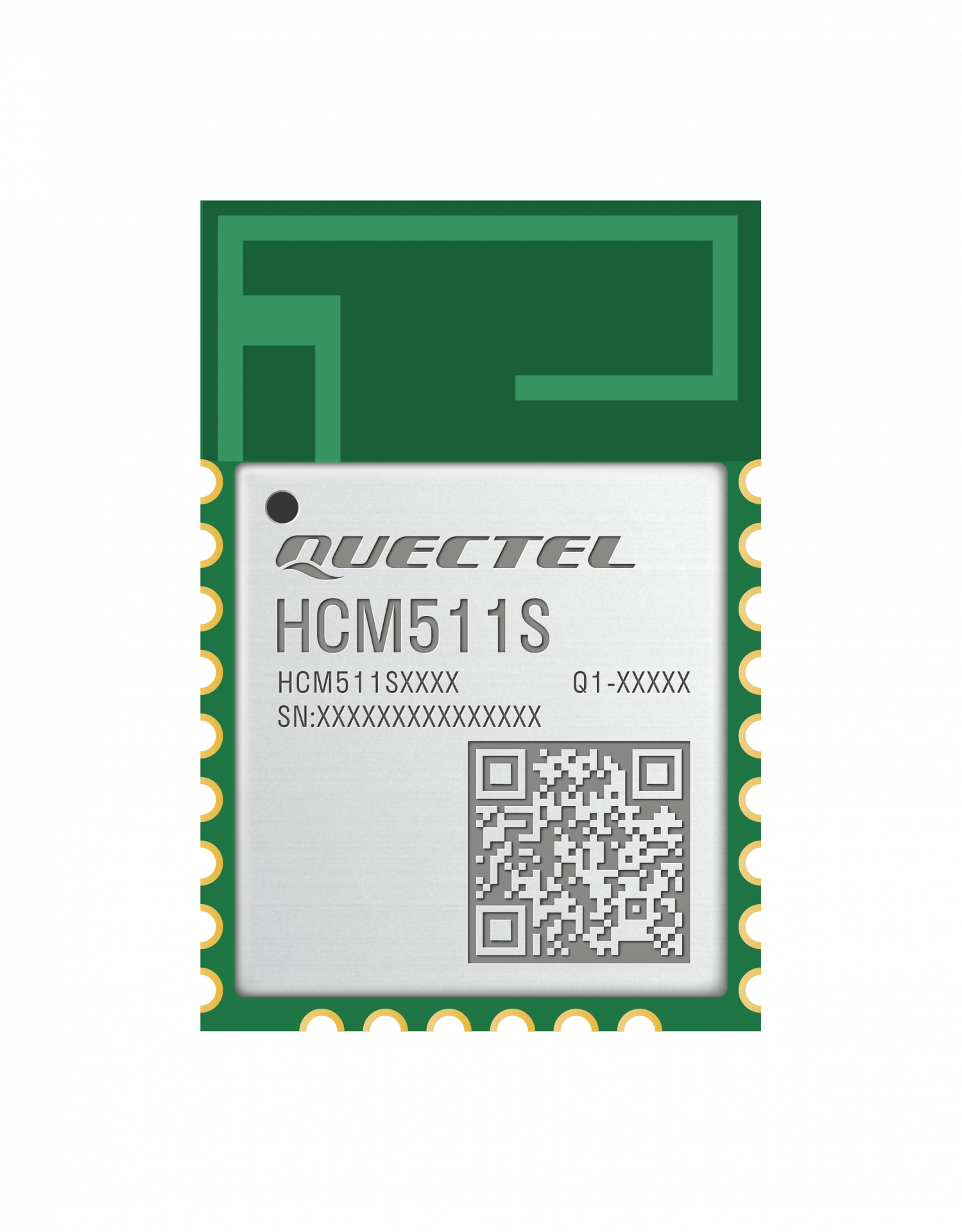
MCU Bluetooth HCM511S

Wi-Fi & Bluetooth FCM363X
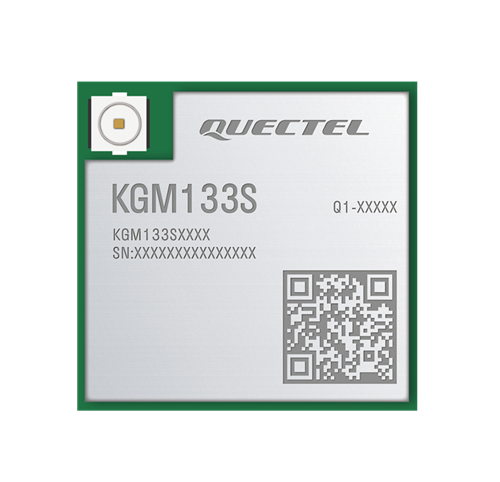
KGM133S Matter, Thread, Zigbee & BLE module
Read the white paper for more on how smart modules give designers a powerful, flexible foundation for building next-generation robots. Quectel’s newly launched SH602HA-AP smart robotic computing module, for example, brings these benefits together in one compact 40.5mm × 40.5mm form factor. Built on the D-Robotics Sunrise 5 chip, it delivers up to 10 TOPS of Brain Processing Unit (BPU) computing power. It supports 4K video at 60fps, AI and visual simultaneous localization and mapping (VSLAM), speech recognition, and 3D point cloud computing.
The paper also covers the FCM363X, a compact Wi-Fi 6 and Bluetooth module with a 260MHz processor, and the FGMC63N, a Wi-Fi 6/6E and BLE 5.4 module with 48 GPIOs and multiple low-power modes designed for robotics. Read for more on improving navigation, flexibility, and operational efficiency in robots across manufacturing, healthcare, and logistics – and what the robotics future holds.