Ask the Quexperts: what does reliable connectivity really mean for public safety?
When Hurricane Helene struck Horseshoe Beach, Florida, in September 2024, it was the town’s third direct hit in just over a year. Each time, emergency communications failed, and first responders lost reliable connectivity. A dedicated FirstNet public safety site opened there in July 2026.
While in 2025, the GSMA spent time working with mobile operators on disaster preparedness and early warning, and governments worldwide are writing connectivity into policy, from the EU’s Article 110 public warning rules to the UK’s Emergency Services Network.
But a stronger network is only half the answer. The ambulances, patrol cars, cameras, and field sensors that rely on it still have to hold their own link.
What makes reliable connectivity challenging in public safety applications?
Consider an ambulance that starts in a dense city, then leaves for a remote village in a valley. Coverage changes mile by mile, so the link has to adapt while the vehicle moves. Along the way, it faces heat, vibration, and steel structures that block or reflect signals. The same vehicle may run 4G or 5G, GNSS, and Wi-Fi at once, which means antennas and radios must coexist without stealing performance from each other.
Responders also need consistent positioning, not just voice, because knowing where they are is part of the call. Reliability isn’t something the network hands you; it has to be designed into the device.
What role do antennas play in maintaining reliable connectivity?
On that same ambulance, the roof is where the link is won or lost. The right antenna to use depends on the vehicle, the band mix, where it’s mounted, and what it will face. Roof space is tight, the ground plane may be imperfect, cable runs add loss, and nearby metal or other antennas can detune a good design.
Relevant products

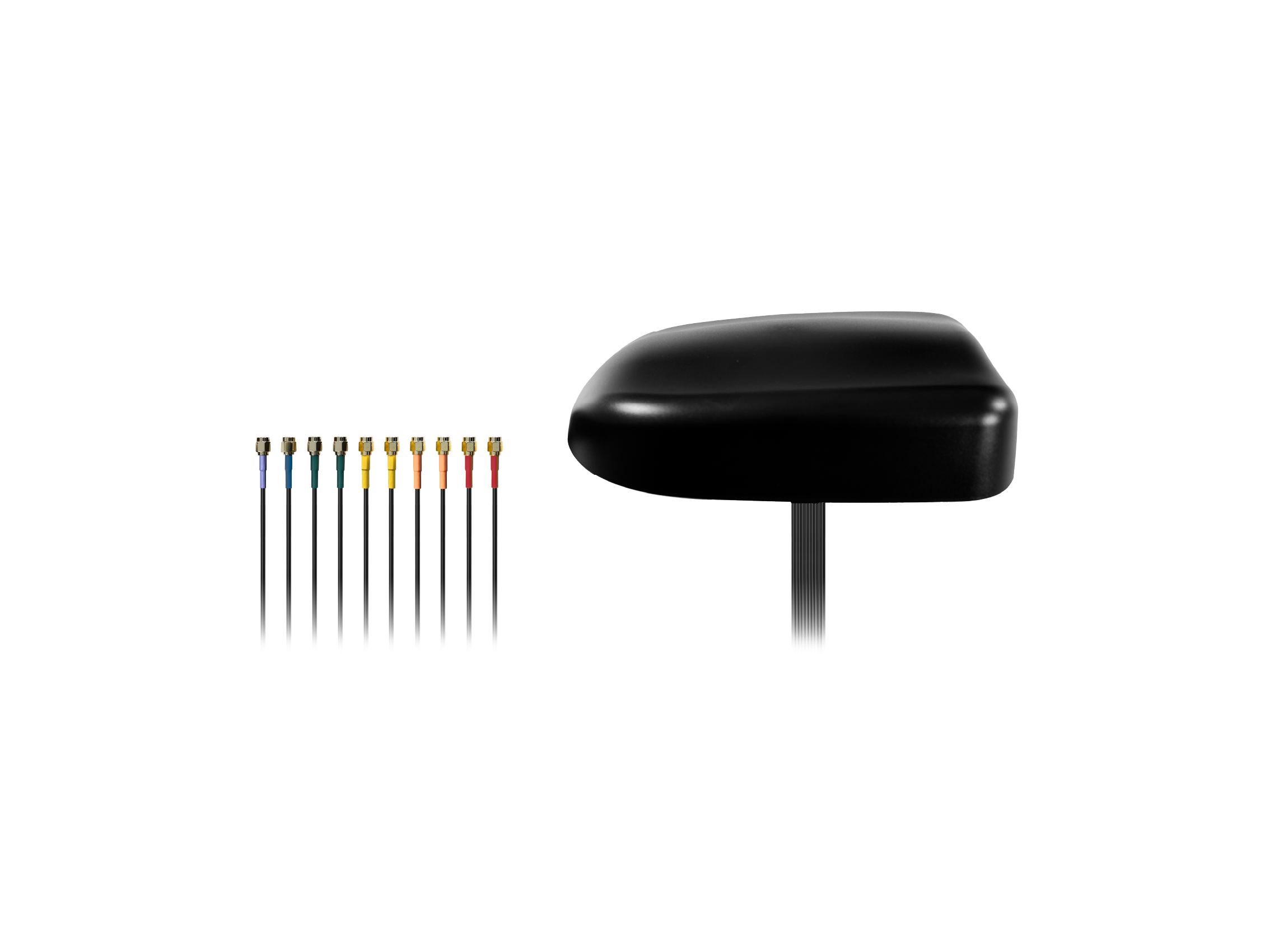
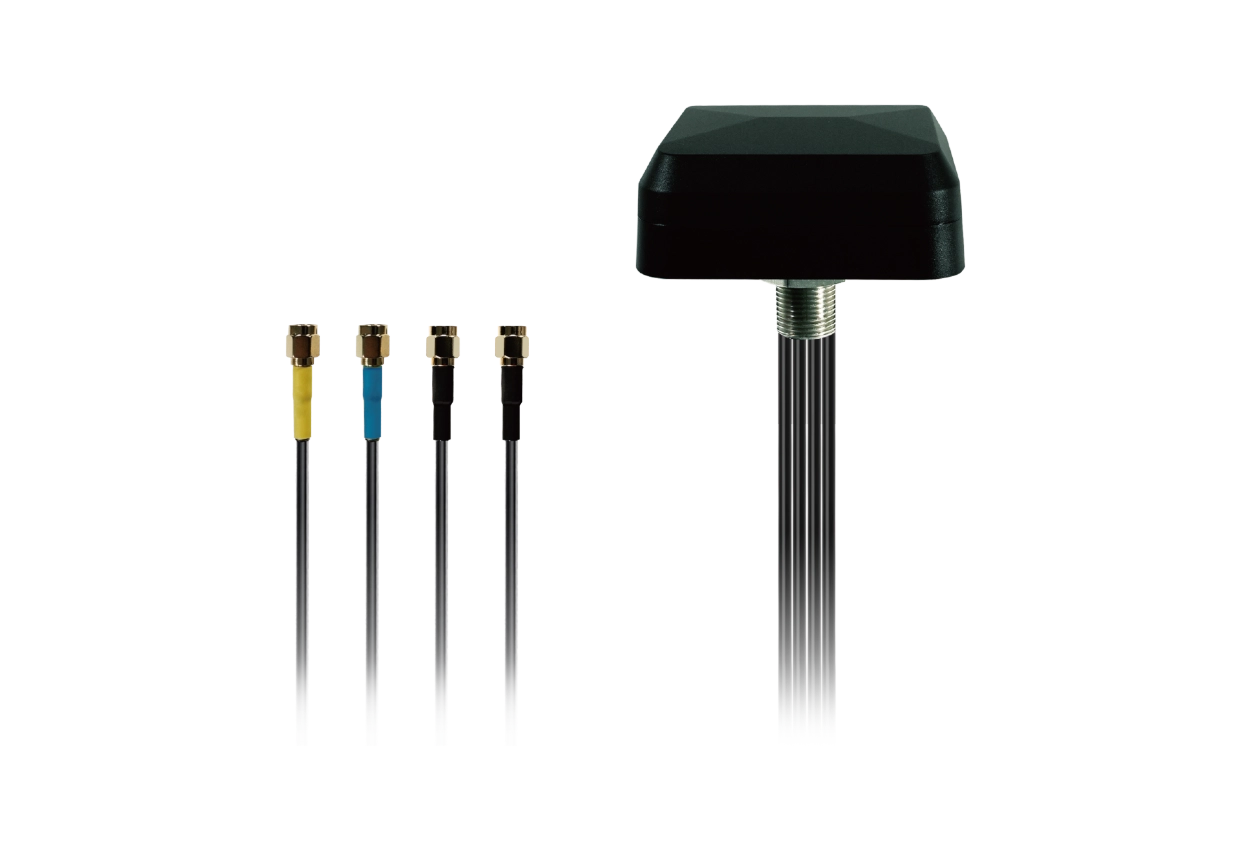
Combo antennas help by supporting several technologies through one mounting point, which reduces clutter and installation risk. MIMO performance depends on isolation between elements, so interference control matters as much as gain. Rugged housings and sealed connectors keep that performance through weather, vibration, and washdowns.
What should engineers prioritize when designing and testing connectivity solutions for public safety?
Before any device goes out into the world, it needs proof that the installed system works, not just a bench result. Antenna decisions belong at the start of development, because placement, enclosure materials, and cable routing are hard to change later.
Simulation and prototype testing catch problems early, but a good antenna can still underperform once it sits on a metal roof beside other equipment. Final validation has to happen in the finished vehicle or device, under realistic, repeatable conditions. That is also where the trade-offs between connectivity and size, weight, styling, and installation show up, while there’s still time to fix them.
Relevant resources
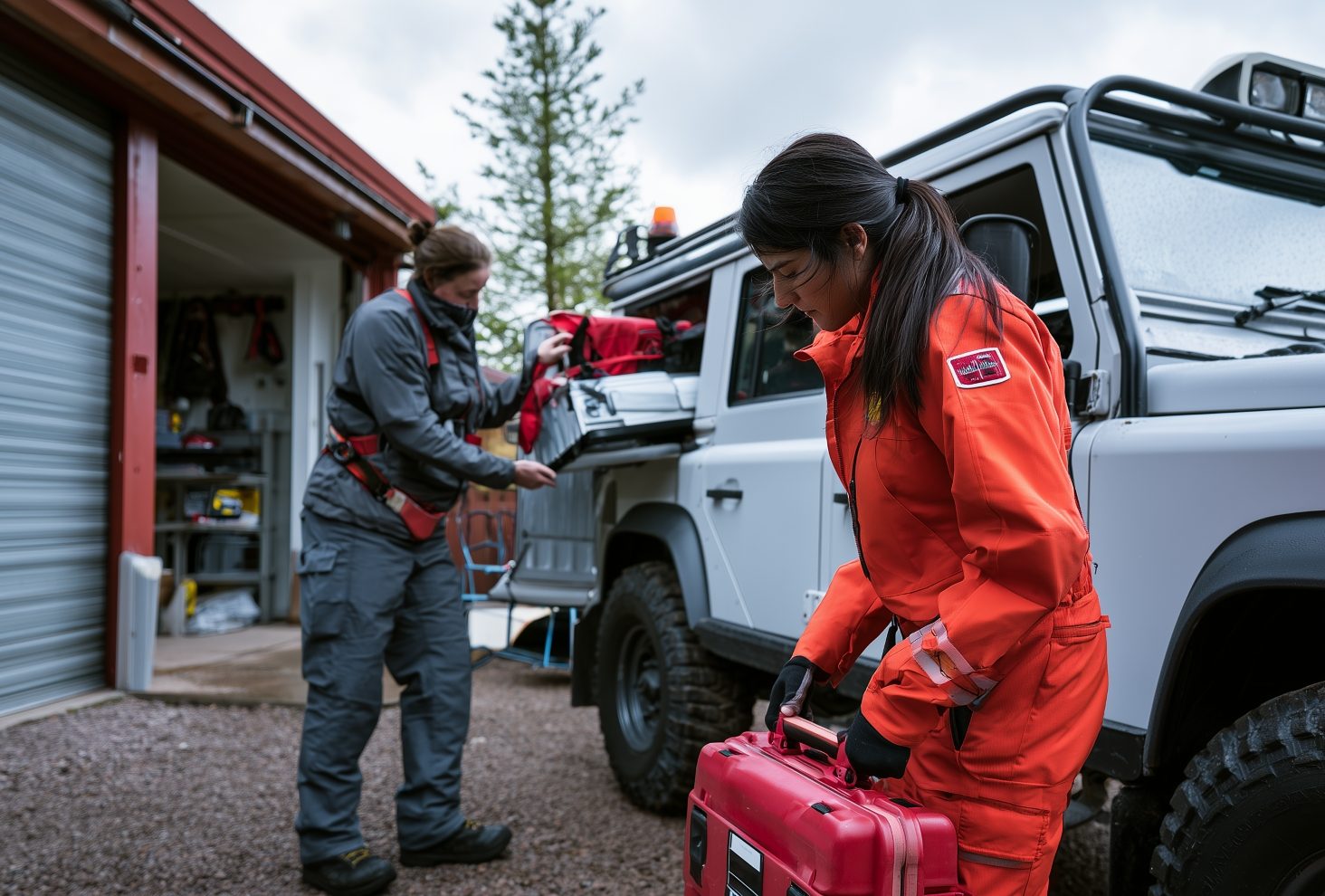
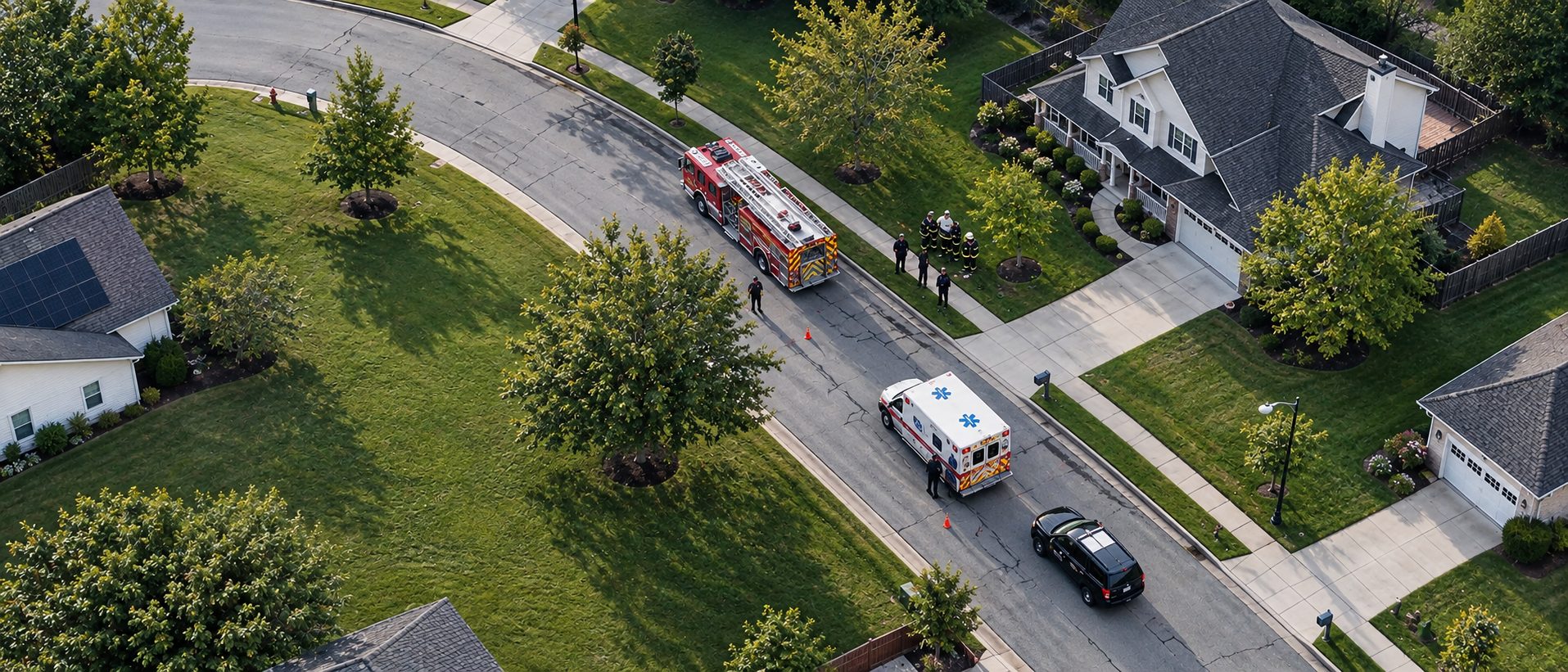
Public safety connectivity needs a whole-system approach. That means module, antenna, placement, cabling, enclosure, and testing all have to work as one. A strong network is where reliability starts, not where it ends. Whether it’s an ambulance, a roadside camera or a sensor on a remote mast, prove the link before it goes into service and again whenever new equipment is fitted.
Our public safety antennas white paper shows how antenna requirements differ across emergency vehicles. It is vital reading for anyone in the industry!