Small cell antennas white paper
How antenna design and deployment impact small cell network performance
Read white paper
Small cell antennas are essential for extending coverage and boosting capacity
Small cell networks are becoming a critical part of modern infrastructure. As mobile data usage grows and 5G adoption accelerates, networks are evolving to support higher capacity and broader coverage across diverse environments. Users increasingly require reliable, high-speed connectivity in challenging locations, and small cells are becoming crucial in meeting this demand. Small cell antennas are the essential component, delivering connectivity to environments where signals struggle to reach.
Strong growth forecasts for the small cell market back up this trend. Predictions expect the market to reach over $37 billion in 2026 and grow to more than $147 billion by 2031. Rising data volumes, higher frequency 5G bands and supportive spectrum policies are driving adoption. Meanwhile, new deployment models and intelligent optimization are improving efficiency and reducing costs.
Antennas are critical enablers of small cell performance. Without proper engineering, rigorous testing and accurate deployment, however, performance gains can be wasted away, and the expected results will not be achieved.
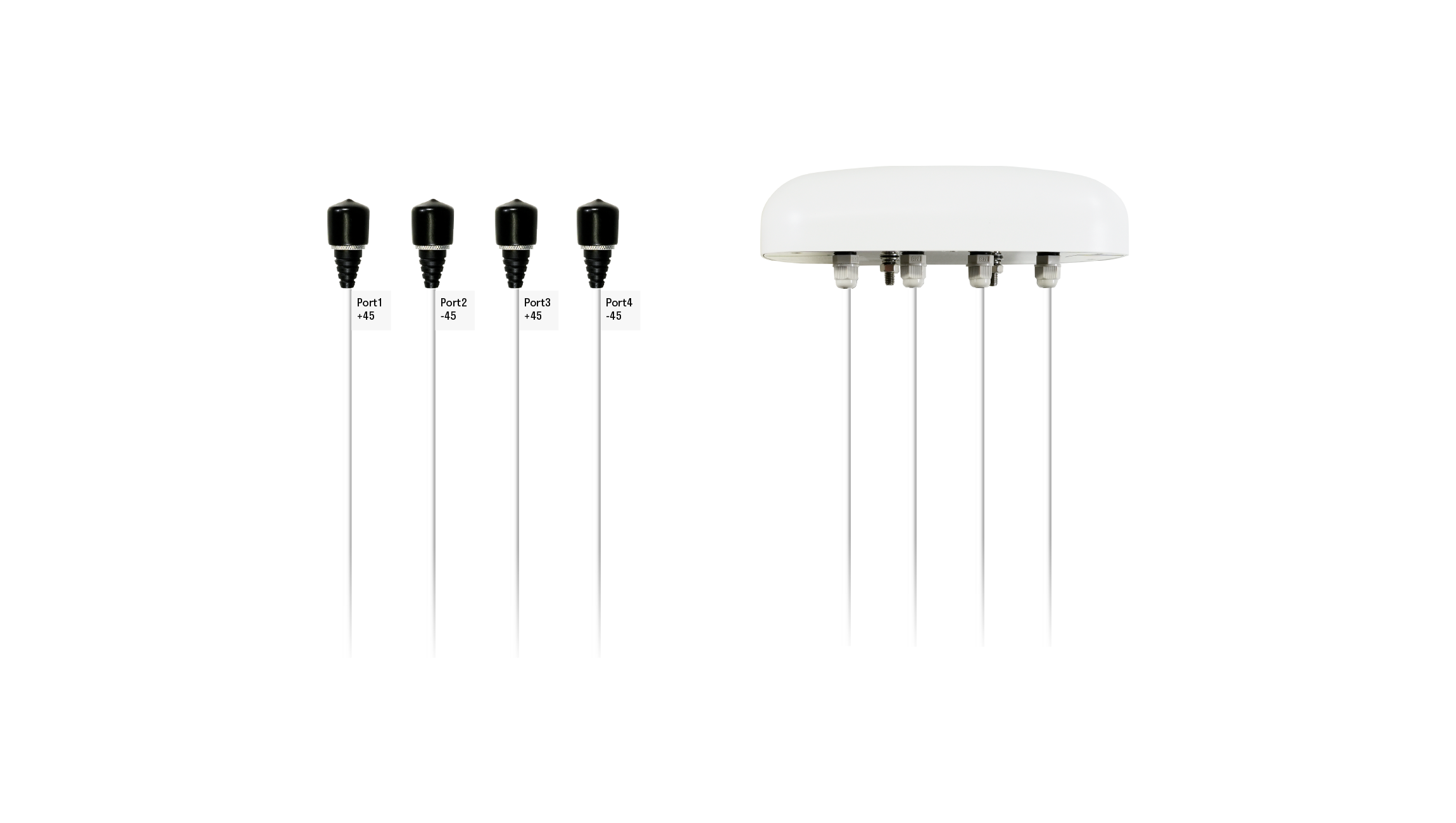
In small cell networks, antennas determine how effectively coverage is extended, how much capacity is increased, and how reliably users stay connected. The right design and deployment approach ensures signals are directed where they are needed and interference is minimized. It also ensures efficient use of network resources. Three common small cell antennas are BTS, ODU and IDAS – each designed for specific environments and use cases.
Networks deploy BTS antennas across dense urban areas, transport hubs and rural extensions. In these environments, they act as small base stations, extending coverage and supporting high user volumes. ODU antennas are typically installed outdoors to provide long-distance connectivity, helping deliver broadband access in remote or hard-to-reach locations. IDAS antennas support indoor connectivity by distributing signals throughout buildings such as hospitals, offices and transport hubs, ensuring consistent, seamless coverage through discreet installations.


Small cell networks will continue to play an increasingly important role in connectivity as 5G expands, IoT adoption grows and users expect reliable access everywhere, including indoor spaces and remote locations. Download the white paper to learn more about the drivers behind small cell market growth, key industry trends and how evolving network requirements are shaping deployment strategies.
You’ll discover how BTS, ODU and IDAS antennas support different small cell use cases and where each delivers the greatest advantages. You can also learn more about Quectel’s small cell antenna portfolio, including high-performance solutions such as its 5G 4-in-1 stadium and private network antennas. We also explain how we can help you maximize small cell performance through expert antenna selection, optimization, and deployment support.