Antenna selection guide: small cell networks
How to choose the right small cell antenna for your project
Read guide
Small cell networks are growing rapidly – effective antenna selection is crucial
Small cells are low-power base stations that extend network coverage and increase capacity in areas where demand is high or signals are weak. They are widely used in dense urban areas, indoor environments, and rural locations to improve connectivity and user experience. As mobile data usage continues to grow and 5G expands into higher frequency bands, small cells have become core infrastructure. The market is growing fast – forecast to exceed $147 billion by 2031 – with network densification and new deployment models driving growth.
Effective antenna selection is critical for every small cell network application – with the antenna directly affecting coverage, capacity, and overall performance. Small cell antennas are compact, high-gain and highly efficient, making them suitable for a wide range of environments. The three main types – BTS, ODU, and IDAS – support different deployment needs, from extending rural coverage to boosting indoor connectivity. They also include a range of features such as wide frequency support and advanced MIMO capabilities.
Quectel’s range for small cell networks includes BTS, ODU, and IDAS antennas – optimized to meet your needs across urban, rural, indoor, outdoor, public, and private networks. Quectel has more than 100 experienced antenna engineers worldwide and operates 19 chambers and fully-equipped labs at locations across the globe.
BTS antennas commonly deliver dense 4G and 5G coverage in urban areas and fill signal gaps in busy locations. They are often deployed on buildings, street poles, and in transport hubs. Meanwhile, they can also support temporary high-demand scenarios such as large events or rural applications. These typically include panel and omni-directional designs, wide frequency ranges and support for 4T4R MIMO, helping to maximize performance and network efficiency.
ODU and IDAS antennas address different but equally important needs. ODU antennas deliver robust outdoor performance and support point-to-point and point-to-multipoint communication with high gain and strong durability. By contrast, IDAS antennas serve indoor environments such as offices, hospitals, and transport hubs. They provide consistent in-building coverage using discreet, low-profile designs that blend into their surroundings while supporting multi-operator 4G, 5G, and Wi-Fi connectivity.


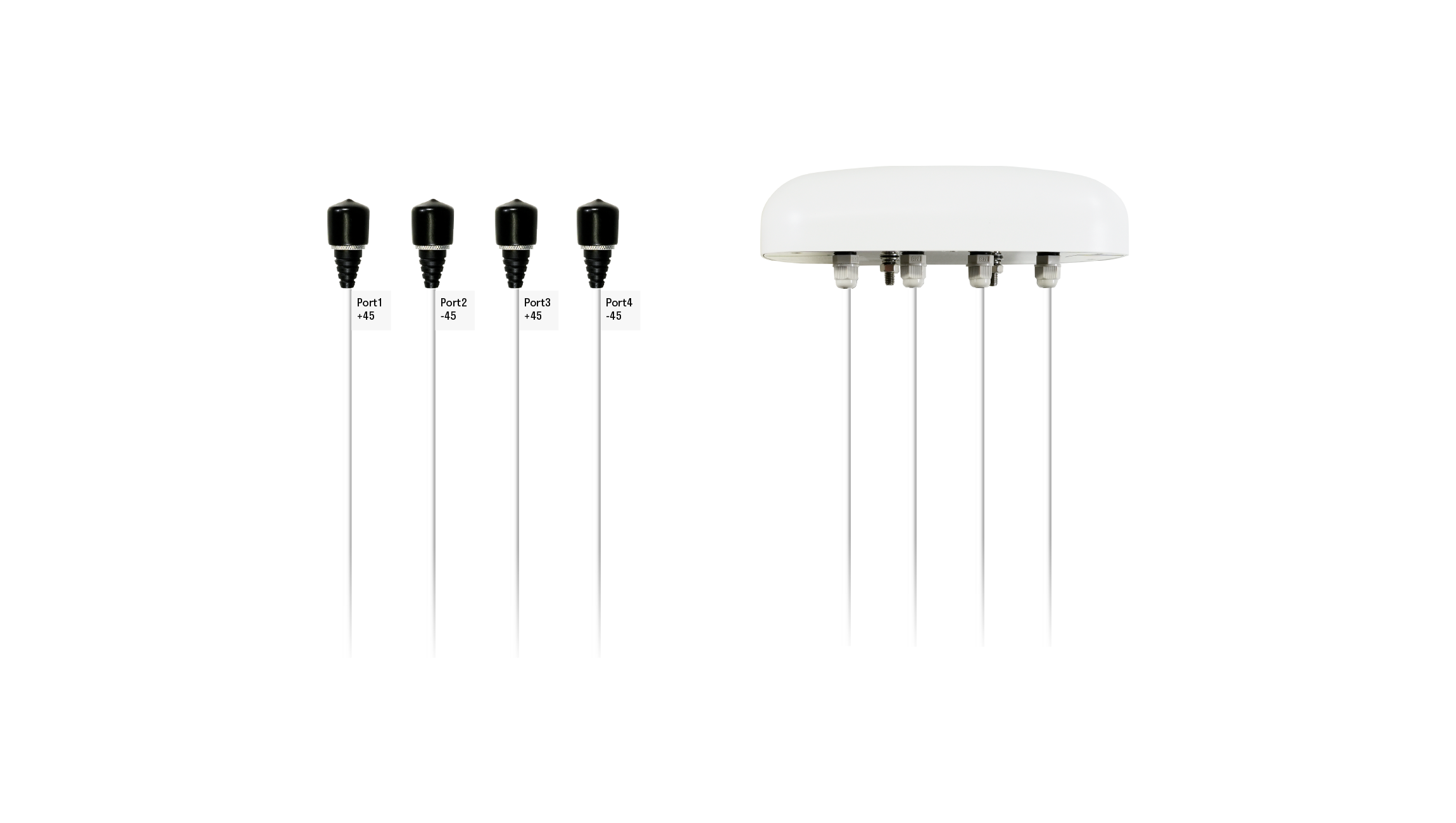
Quectel offers a comprehensive range of small cell antennas. These combine compact form factors with high performance to support flexible deployments across public and private networks. With a vast portfolio of antenna products and advanced testing and certification facilities worldwide, we can efficiently match antennas to small cell applications. We also provide additional antenna services, including design and deployment support, to help customers optimize performance and reduce total cost of ownership.
This antenna selection guide for small cell networks reveals key selection considerations and showcases a range of relevant antenna products. These include high-performance 4×4 MIMO panel antennas, wideband directional antennas, and discreet indoor ceiling solutions. Whether you are designing for dense urban networks, large venues, extending rural coverage or indoor penetration, it will help you choose the best antenna for reliable, high-capacity connectivity.