System-on-modules white paper
Accelerate embedded product development with Quectel’s NXP-based SoMs
Read white paper
The right SoM lowers risk and shortens time-to-market for embedded IoT devices
Embedded product development is becoming more complex with every generation. Edge intelligence, AI, wider connectivity choices, and software-defined devices are converging on designs that must last longer in the field. At the same time, engineering teams are shrinking and timelines are tightening. Growing design complexity, BSP integration delays, and supply chain sourcing are stacking up. So is the compliance burden, from CE marking to the Cyber Resilience Act. Together, these pressures are slowing devices down before they reach the market.
What designers need is a way to simplify development without giving up capability. That’s where system-on-modules (SoMs) come in. A SoM takes care of that consolidation up front, arriving pre-integrated with processing, memory, power management, and connectivity already on board. Designers then work with one part instead of many. This cuts the number of components in a device and simplifies sourcing. It also reduces the integration risk that comes from combining parts across vendors.
The primary reasons for designers to take a platform-based approach – and move away from custom processor boards to production-ready SoMs – are reduced risk, accelerated development, simplified sourcing, and the ability to start software work earlier in the development process.
The embedded systems market is forecast to grow at 7.1% a year to 2030, reaching US$169.1 billion. The pressure to build smarter devices faster is only increasing. SoMs meet that pressure with faster, lower-risk development, and, above all, more time for software. With software development typically taking up the largest share of embedded project time, being able to start it sooner is SoMs’ most valuable differentiator. It means less time integrating components and more time building the product itself.
Choosing the right SoM comes down to more than a datasheet comparison. Performance depends on how well processing, memory, and connectivity are matched to the workload. Because devices are expected to run for a decade or more, scalability and lifecycle support matter just as much. Designers need standardized form factors that let a module be swapped out as requirements change.
Relevant products
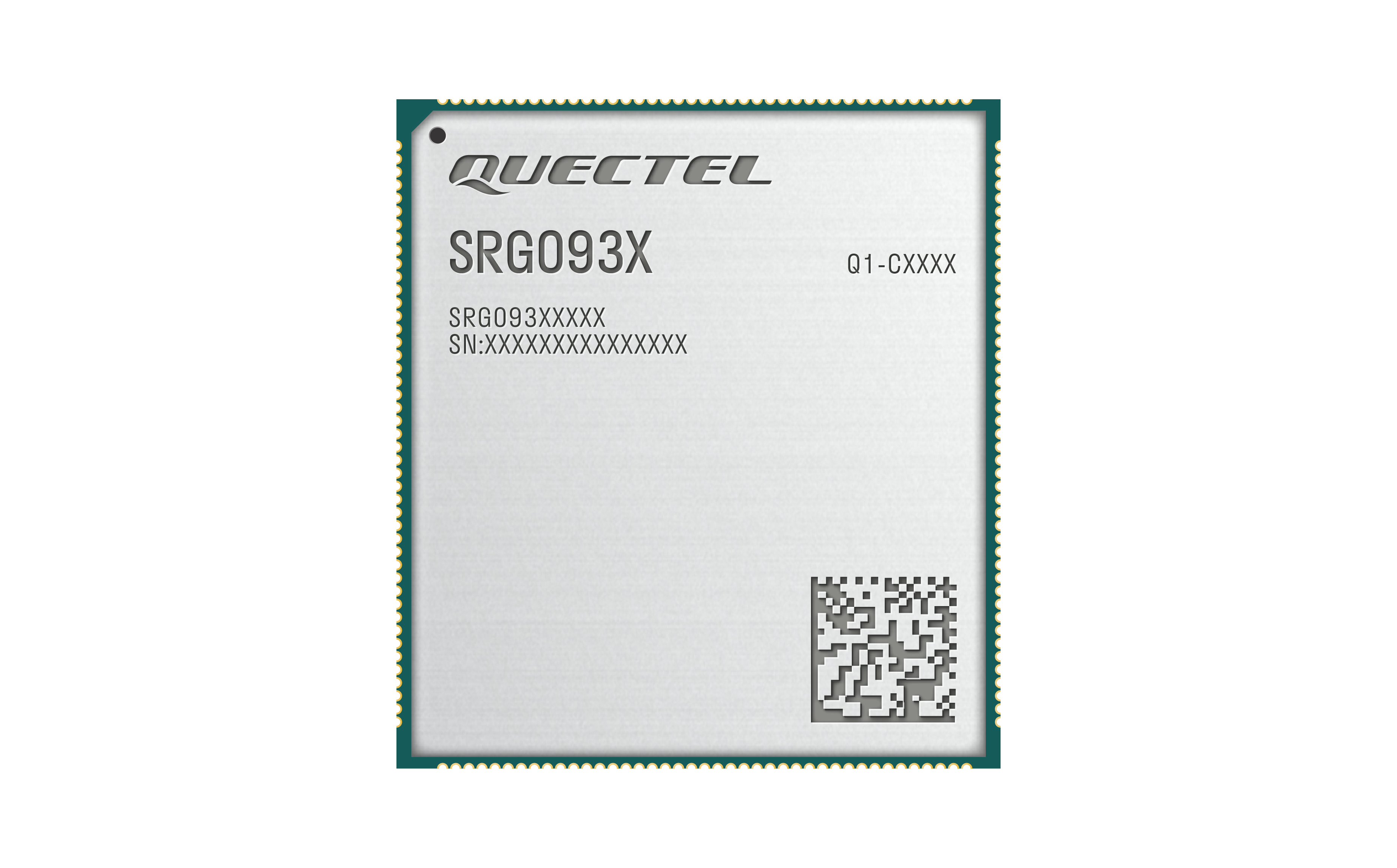
SRG093X NXP i.MX93 SOC module series
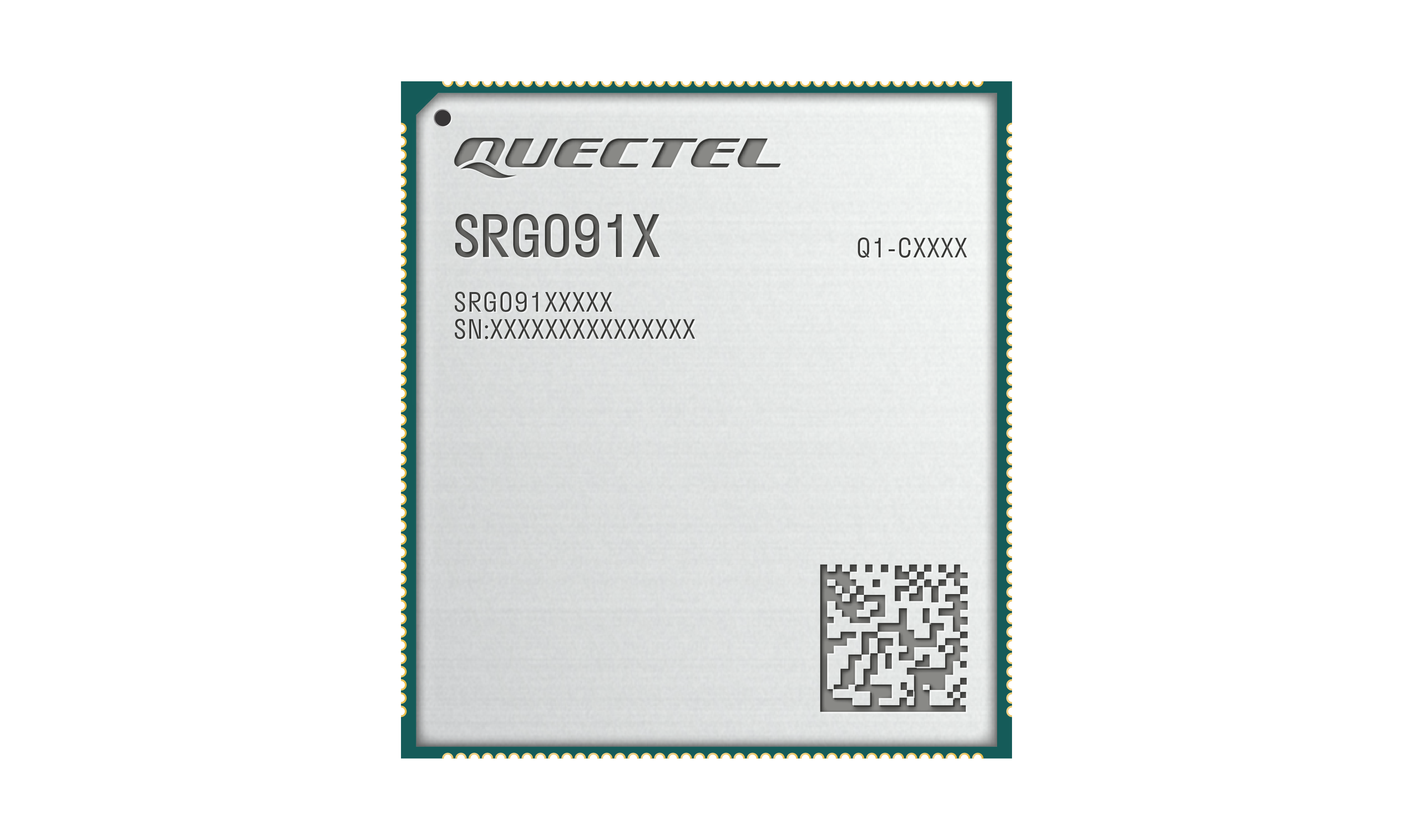
SRG091X NXP i.MX91 SOC module series
Security deserves equally close attention. It spans hardware root of trust and secure boot, plus how software updates are managed over the device’s lifetime. Software is where the real complexity hides. Two SoMs can look identical on a datasheet yet differ enormously in board support package maturity and documentation. Getting choices right protects against costly delays later.
Read the white paper to see how this plays out in practice. The paper features two SoMs from Quectel’s collaboration with NXP, built on i.MX 9 series processors. The SRG091X combines support for up to 2K resolution with on-device deep learning. That makes it a strong fit for smart terminals and industrial edge devices. The SRG093X pairs edge AI processing with low-latency communication, a standout choice for use cases such as EV charging management. From there, you’ll find the full criteria for selecting a SoM platform. You’ll also see real-world use cases spanning industrial automation, smart buildings, energy, healthcare, and robotics. Read the white paper, produced in partnership with NXP Semiconductors, for more.