Chip-down vs. SoM design comparison guide
How to choose between chip-down and system-on-module design options for your next embedded device
Read guide
Total cost of ownership ultimately matters more than component price when deciding between chip-down and SoM architectures
Most embedded products start with an architectural choice. Teams adopting a chip-down approach build the compute platform themselves, placing a discrete processor, memory, storage, and power management onto a custom board. Alternatively, they can start with a pre-integrated system-on-module (SoM) and build the application around it. Both approaches have their place. Choosing well between chip-down and SoM designs means weighing up engineering capacity, project timelines, and product lifecycle.
Early cost comparisons however tend to focus on the bill of materials (BOM), where chip-down usually comes out ahead. Priced separately, an NXP i.MX 93 processor, PMIC, DDR4 memory, eMMC, and Wi-Fi/Bluetooth chipset can look cheaper than a single module combining them. Yet component price does not reflect production cost, and the extra manufacturing work is easy to underestimate. A chip-down design can run to 80–120+ BOM lines, against roughly 20–30 for a module. Each extra line carries hidden costs – and this guide traces where they come from.
At face value, the chip-down BOM looks like better value. And as a line-item spreadsheet, it often is. But this comparison misses most of the cost: the engineering to integrate those components, the manufacturing to build and test the board, and the team to source and maintain every part across a multi-year lifecycle.
Total cost of ownership (TCO) is ultimately what decides the best course of action. It covers the full cost of developing, manufacturing, and maintaining a product across its lifecycle. Through that lens, chip-down looks very different. An i.MX 9-class chip-down board typically needs six to eight PCB layers, with HDI and blind or buried vias. Each design also needs its own CE, FCC, and IC certification. What’s more, a failed layout means a full board re-spin.
A SoM moves this complexity onto the module. The processor, DDR memory, eMMC storage, PMIC, and Wi-Fi sit on a pre-certified module, with RF matching tuned at the factory. As a result, the carrier board typically needs just two to four layers. Quectel also maintains the BSP and handles component sourcing and end-of-life transitions. Meanwhile, NXP lists the i.MX 9 family as available to 2038 and beyond.
Relevant products
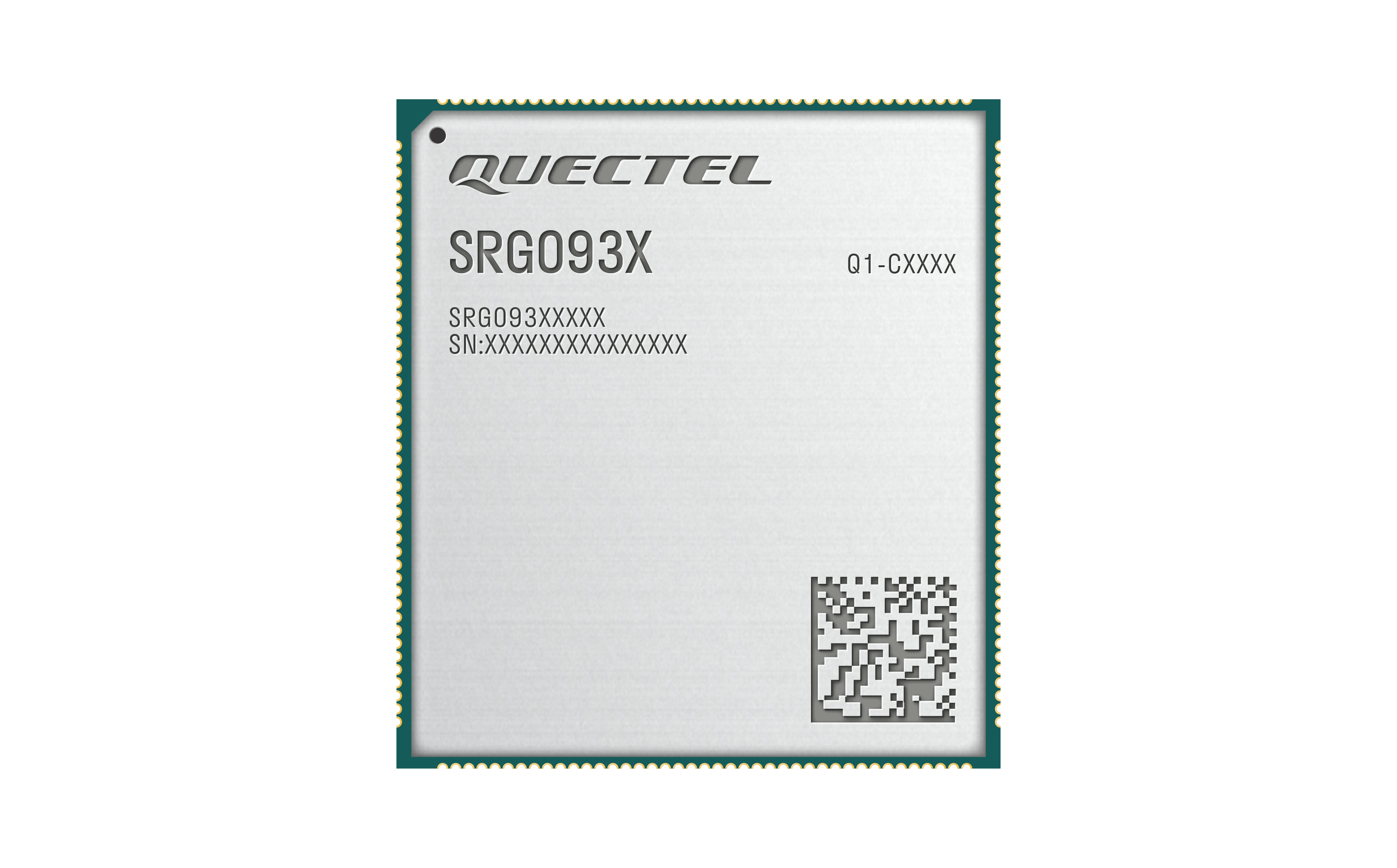
SRG093X NXP i.MX93 SOC module series
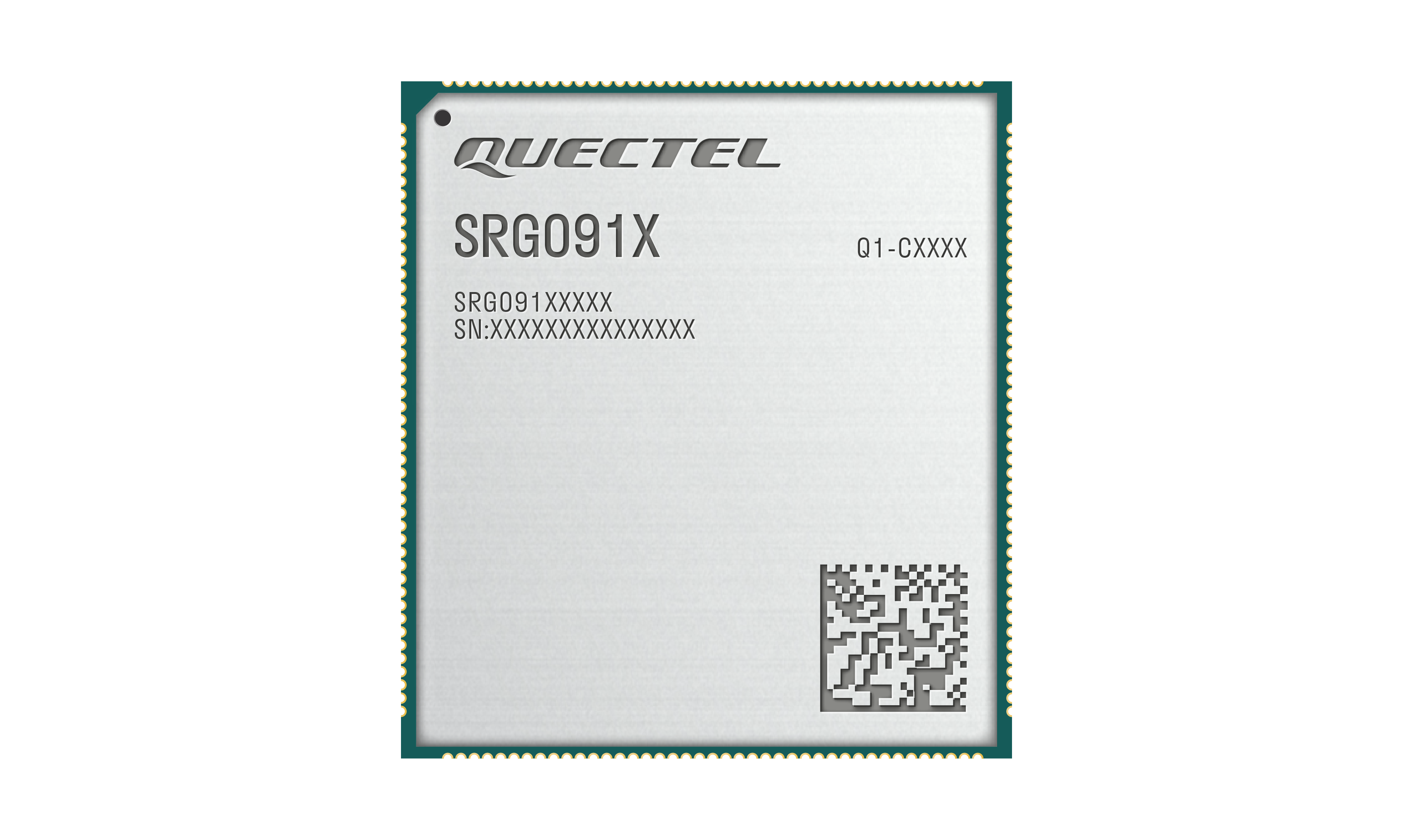
SRG091X NXP i.MX91 SOC module series
Many engineers assume chip-down becomes the cheaper option at higher volumes. And per-unit component costs do fall. However, a design shipping 150,000 units a year still carries significant engineering, manufacturing, and lifecycle costs. The silicon savings have to outweigh them all. Quectel’s purchasing scale narrows the gap, as aggregated demand feeds into module pricing. When production volume tips the balance in favor of chip-down is a key question we examine more closely in our guide.
Chip-down remains the better fit for some projects. Examples include those with strict mechanical constraints, deep processor-level customization, or a hardware team with long-term capacity. In contrast, a SoM approach suits teams that need to launch sooner or want lighter lifecycle management. Our pin-compatible SRG091X and SRG093X SoMs, for instance, let one baseboard serve several performance tiers. Download the full chip-down vs. SoM comparison guide to find out which architecture fits your next product.