How smart modules and IoT trends are transforming connected industries
IoT is moving beyond simple connectivity. Devices are increasingly expected to process data locally, make decisions in real time, and remain secure, connected, and manageable throughout long deployment lifecycles. This shift is driving the demand for smart modules that combine application processing, memory, operating system support, rich interfaces, and wireless connectivity in a production-ready platform.
Research firm IoT Analytics sees IoT intelligence moving to the edge, with increased focus on autonomous, agentic operations that demand greater device capabilities. For connectivity providers and module vendors, autonomous operations are resulting in more demanding requirements for uptime, coverage, consistent latency, roaming, security, and cost predictability. This is being seen in trends for smart modules to combine processing power with attributes such as power saving, connectivity choice, ultra-high security, and accelerated product introduction.
Enhanced memory, connectivity, and power management
Volumes of cellular IoT module shipments are growing, with Counterpoint Research reporting that global shipments increased 10% year-on-year in the third quarter of 2025, and increasingly, these modules can be described as ‘smart’. The firm adds that demand for intelligent computing-capable modules is growing across the surveillance, automotive, industrial, and retail sectors, and feature-rich modules are now being prioritized by developers.
To address the need for improved intelligence, IoT organizations are specifying system-on-chip (SoC) solutions that offer an integrated solution that combines more memory, higher-performance connectivity, and optimized power management to ensure device longevity. Integrating all of these capabilities in a single smart module simplifies device design, component sourcing, and manufacturing. An important future trend for smart modules is combining higher levels of processing, memory, connectivity, and power optimization. Quectel sees bringing leading edge capabilities across all of these areas as essential to bring balanced performance in SoC solutions.
Relevant products
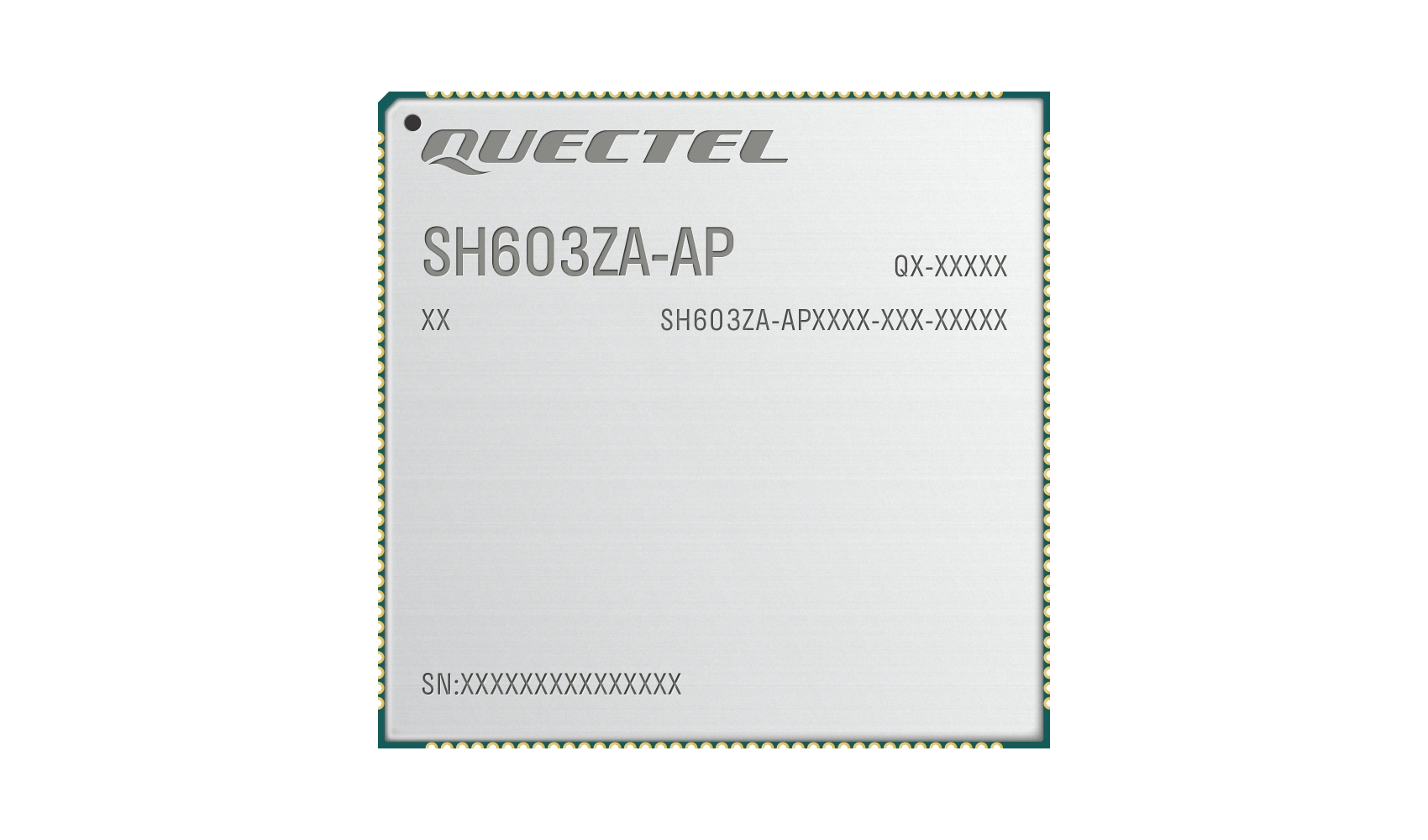
SH603ZA-AP smart module
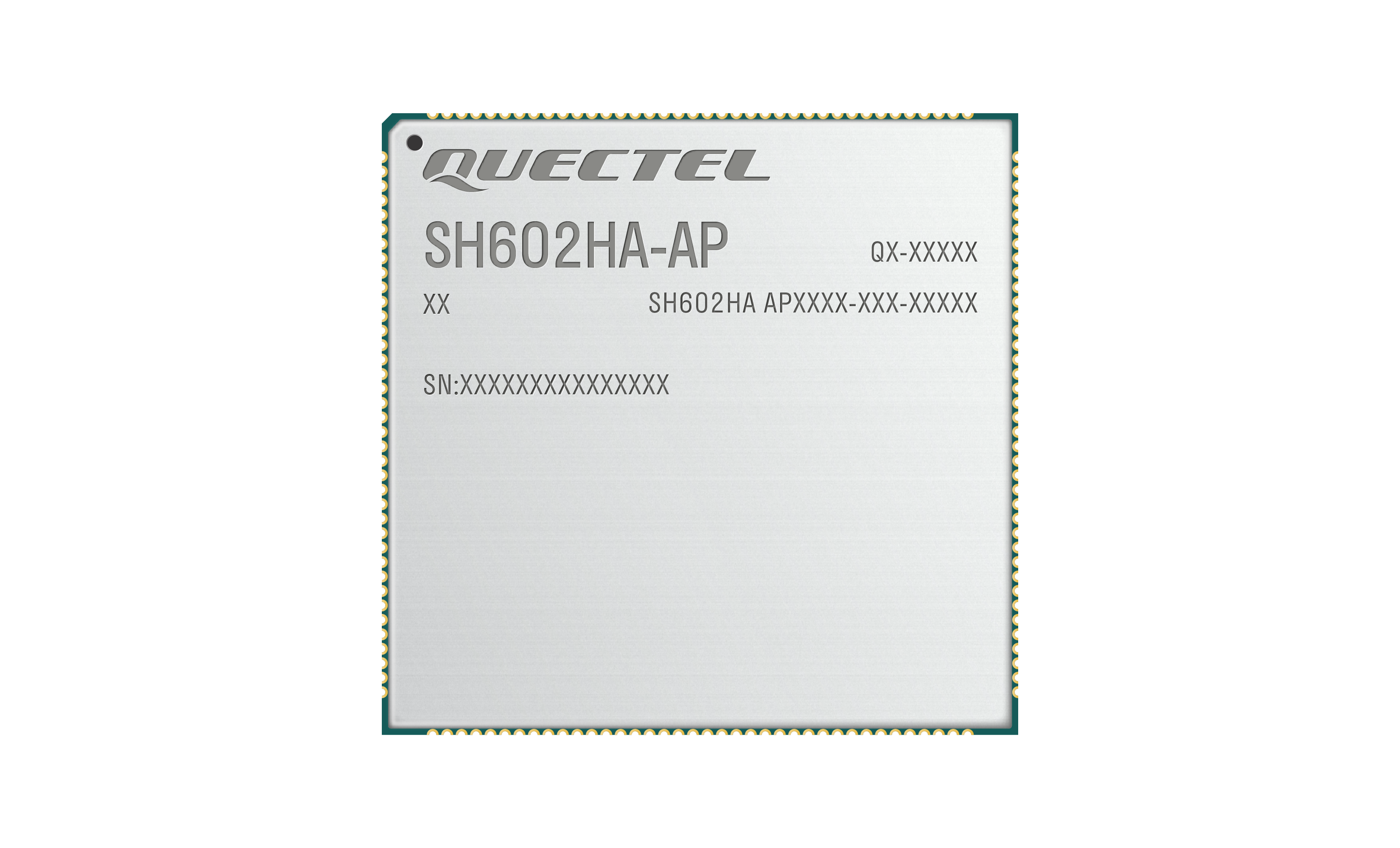
SH602HA-AP smart robotic computing module
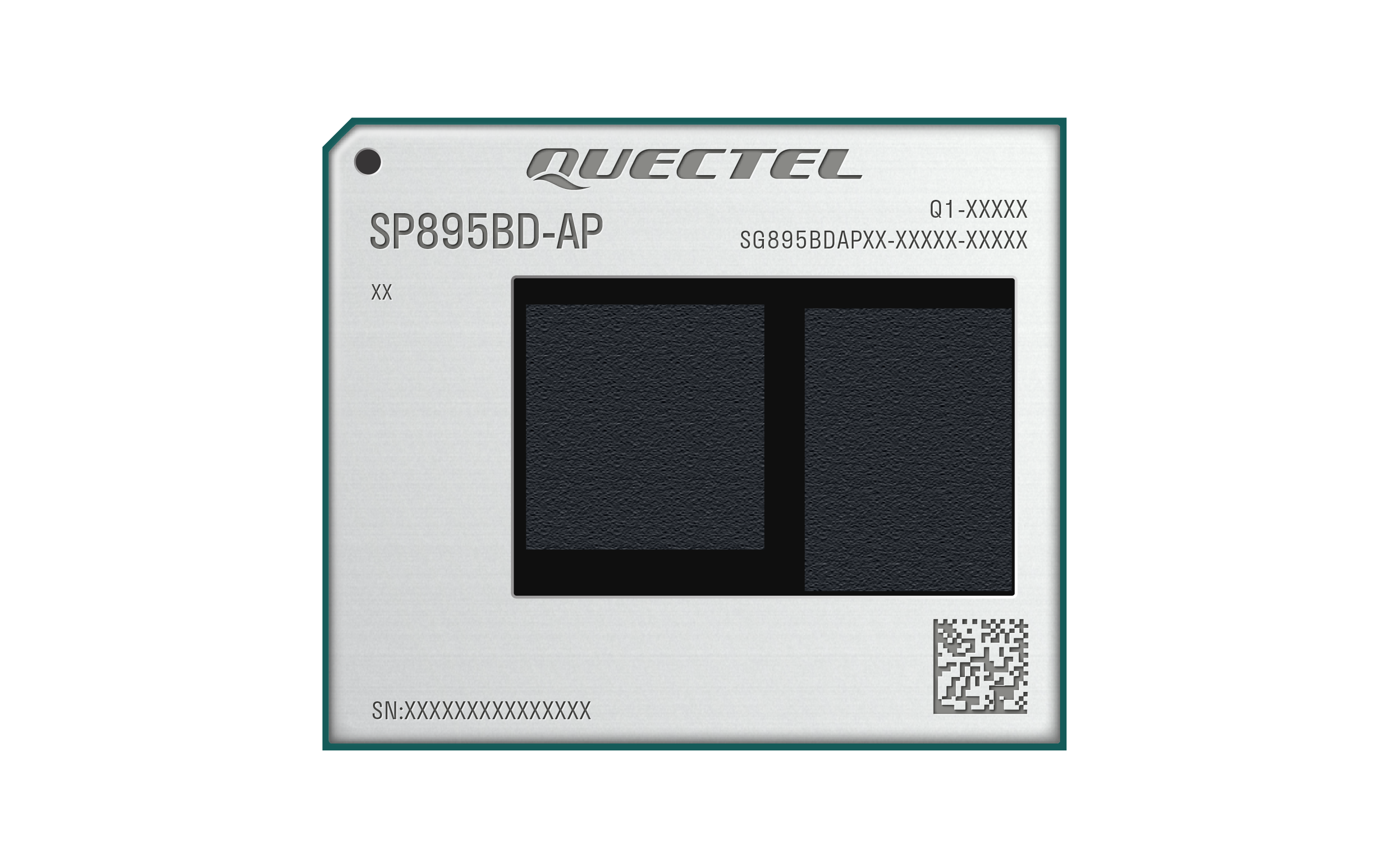
SP895BD-AP smart module
Ultra-low power architectures for extended intelligence
Achieving intelligence always comes with a cost. Processing capabilities, in particular, have financial costs in the form of the chipset but also in terms of the operating burden they place on IoT devices. Typically, the more advanced the processing, the greater the power drain on the device, and for IoT use cases, which are often dependent on battery power, that can either shorten the in-service life of a device or require engineer visits to replace or recharge batteries.
Smart module customers want to specify SoC solutions that include ultra-low power consumption architectures to support extended battery life. An emerging trend is for energy harvesting capabilities that can extend the life of batteries and enable more power-intensive functions to be performed. Quectel’s engineers have been working on power saving innovations for many years and see power harvesting solutions as an emerging new capability to help devices extend longevity.
Security features need strengthening for smart IoT
The greater device intelligence enabled by smart modules means more data can be processed and handled on the device, fueling automated decision-making and actions. The stakes are therefore higher when it comes to hacking and other cyberthreats. Customer organizations, therefore, want to ensure their smart module capabilities have a security posture that reflects their importance within a business operation.
The trend today is for smart modules to contain security features including secure boot, hardware root of trust, and strong encryption. These functions are foundational enablers for the new era of intelligent IoT operations at the edge. Quectel has performed rigorous, independent security testing of its products for many years, including third-party penetration testing, secure boot support, vulnerability management processes, and lifecycle security practices.
Multi-mode smart module connectivity for reliability and redundancy
As organizations turn to deeper edge intelligence integration, they also need smart module attributes that go beyond these foundational enablers. Depending on the use case, smart devices may require combinations of 5G, RedCap, LTE, Wi-Fi, LPWAN, or satellite connectivity to improve coverage, redundancy, and deployment flexibility. IoT organizations need to be assured of always being able to connect and that the connectivity performance they receive is sufficient to support their increasingly critical communication needs.
With the trend toward on-device intelligence accelerating, the choice of connectivity technologies is essential for enabling data flows, reporting on actions taken on the device, and for instructions to be received. For mission-critical applications, ensuring redundancy via network uptime is an increasingly important aspect of smart module performance that Quectel has been developing smart module solutions to target.
Relevant resources

Accommodating intelligence in smaller form factors
Another trend is increasing device design complexity because of the need to accommodate the additional processing, memory, battery, and communication components in smaller, intelligent devices such as compact and wearable devices. These smaller form factors must take into account the cooling, radio frequency, robustness, and security needs of each use case, adding significant challenges to design and development.
Quectel has been working on optimized component integrations and the development of robust, high-performance smart module solutions for many years and draws upon its vast installed base of customer solutions across the globe to bring tested innovation to the market at scale.
Supply stability for mass-scale long-life deployments
Given that intelligent IoT is poised for a wave of significant growth, the future trend is to specify carefully engineered solutions that combine all the functions needed with the robustness to support critical use cases. IoT organizations need industrial-grade solutions that meet their needs for long deployment lifecycles, supply stability, and maximized uptime. A well-judged balance between speed to market and quality must be achieved to meet these enterprises’ needs.
Quectel has focused on developing its smart module portfolio to ensure products have in-market lifespans for the long-term. This helps OEMs avoid forced redesigns, re-certification costs, and software migration risks during long deployment cycles.
Rapid development and market entry
Intelligent IoT device features are both enablers and differentiators for IoT organizations, so delayed introduction of devices with these capabilities is unacceptable. If an organization wants to compete or get to market first, it cannot afford to delay the introduction of products by adopting traditional timeframes. Instead, the trend is to accelerate new product introduction, with smart modules a critical component.
Quectel has the experience of fast development ecosystems and supports quality at mass scale with pre-certified module and intelligence toolchains to help accelerate the time to market of smart IoT solutions. By doing the groundwork, Quectel has built the foundations for intelligent IoT in its smart module solutions. That innovation continues as we prepare for on-device intelligence to fuel the next wave of IoT.