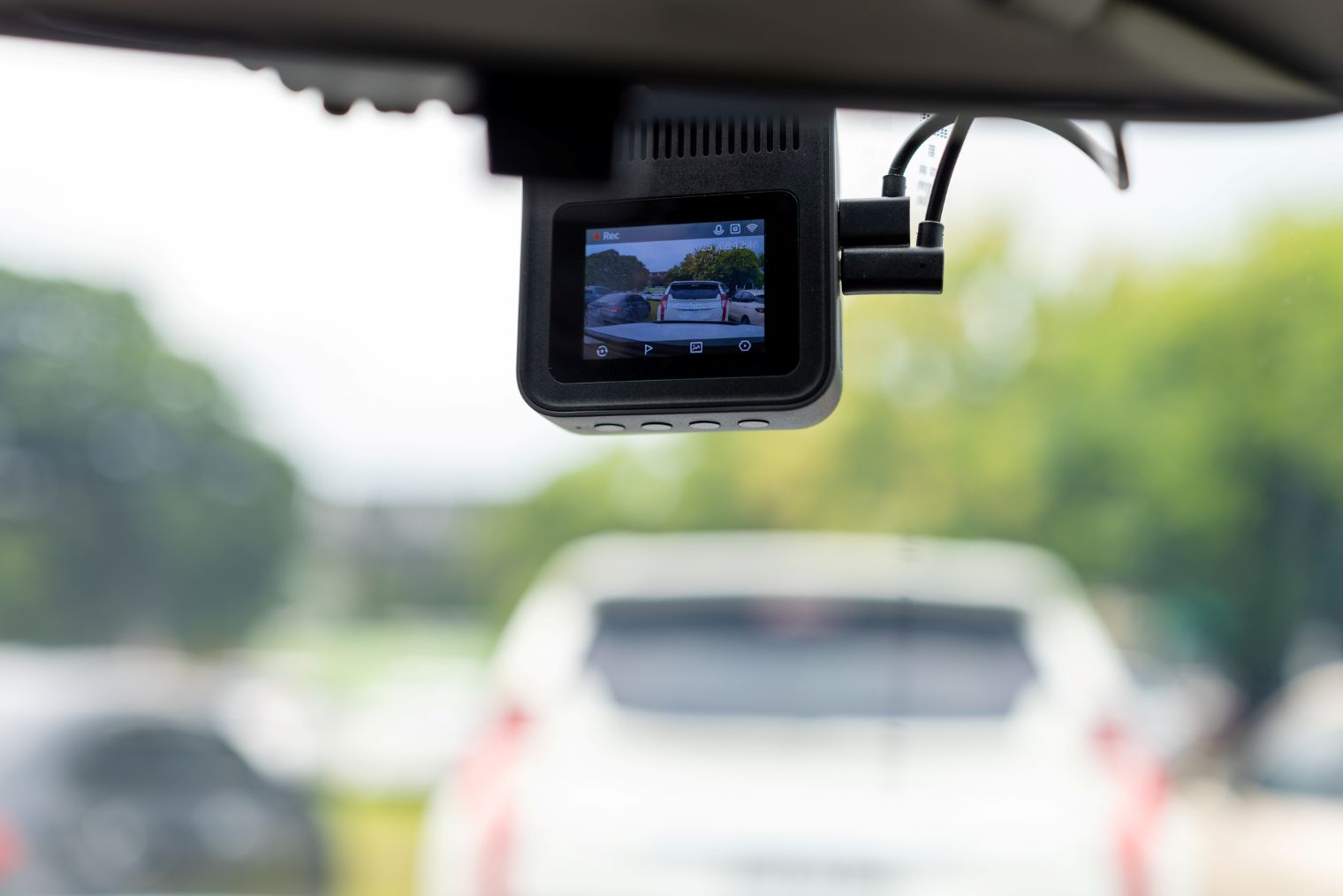
Designing intelligent IoT cameras: from concept to mass production
30.09.2026
09:00 - 10:00 PDT (Los Angeles)
12:00 - 13:00 EDT (New York)
17:00 - 18:00 BST (London)
18:00 - 19:00 CEST (Berlin)
How design teams are building smarter, lower-power IoT cameras for markets worldwide, from dash cams to dark warehouses
IoT cameras have outgrown simple video capture. Today’s designs often need to run edge AI. They also need to work in the dark and connect over whichever wireless standard a deployment demands. This is a major shift from the simple, wired security cameras of a decade ago. Demand is also growing fast - driven by dash cams, smart doorbells, industrial monitoring, and vehicle safety systems. Each new use case brings its own mix of sensors, processors, and connectivity. And each must fit within a tight power and cost budget.
From sensor to silicon: building IoT cameras that see in any light conditions
Getting from concept to a working IoT camera means solving several problems at once. Which image sensor gives the best balance of resolution and power draw? Does the AI workload need its own dedicated chip? Or can the main module handle it alongside connectivity? Then there are questions of image quality. A camera may have to perform in a dark warehouse or a moving vehicle, not just a lab bench under studio lighting.
Low light requirements are often the hardest challenge in camera design. A camera that performs well in daylight can struggle the moment the sun goes down. Tuning for that gap usually happens late in development, when changes are expensive. By contrast, getting sensor selection and illumination right early avoids costly redesigns further down the line.
Dash camera design case study
This Masterclass, hosted by Ikotek and Quectel, will walk through these design choices, using a real dash camera design as a working example. The session covers how to pick the right smart module for video processing. It also explains how camera tuning changes between development and mass production.
The Masterclass will also survey the wider IoT camera market, from dash cams and e-bikes to hunting cameras and ID verification. It concludes by mapping out the design journey end to end. This session covers everything from concept proposal to prototyping, certification, and full-scale manufacturing.

Speakers

Chad Bohlmann
Chad is the Director of Technical Sales for Ikotek North America. With his extensive experience leading engineering teams and creating innovative solutions from concept to customer, Chad helps customers understand the technical aspects of product design and implementation, bridging the gap between concept and functioning device. Chad has more than 30 years of experience in the wireless and IoT space, with various senior leadership roles, and holds several patents in wireless technologies.
Job title:
Director of Technical Sales North America
Company:
Ikotek

Zeljko Maric
After completing his master’s degree in electronics, Zeljko worked as a Java developer at Siemens. Then he headed the EMEA FAE team at Thales for 10 years, before joining Quectel where he is now Product Development Manager.
Job title:
Product Development Manager
Company:
Quectel
Agenda
Modern camera market overview
Camera component selection and capabilities
Edge AI and processing needs
Light levels and dark environments
Dash camera design example
Q&A