Wi-Fi HaLow matures into IoT 2.0 enabling technology
Wi-Fi HaLow provides coverage over distances over one kilometer, providing a longer-range alternative to traditional Wi-Fi while offering better penetration of signals through trees, walls, and structural barriers. The technology is able to support 8,191 devices on a single access point and has substantial benefits for IoT devices, including deep sleep modes to support multi-year battery lives on devices such as small cells. A further benefit is that the technology operates below 1GHz, thereby avoiding crowded 2.4GHz and 5GHz bands.
The familiarity of the technology, thanks to other long-established Wi-Fi variants, is seeing deployments gain traction. Analyst firm ABI Research has forecast that Wi-Fi HaLow-enabled device shipments will grow at the fastest rate among wireless connectivity technologies, achieving a 45% compound annual growth rate (CAGR) between 2025 and 2030. This will see total annual shipments increase from 19 million to 124 million units.
The firm says smart home and Internet of Things (IoT) applications are the primary drivers of demand for HaLow, and key use cases include home automation devices, energy management, and voice-control front ends. There are also popular use cases across smart buildings, industrial automation, smart cities, campuses, agriculture, and security. As IoT continues to evolve and IoT 2.0 is introduced, there is greater need than ever before for long-range, low-power connectivity that can handle high-density sensor networks, real-time edge AI inference, and secure data pipelines that applications depend upon.
Relevant resources


Meet IoT 2.0 high-density needs
Wi-Fi HaLow addresses these criteria by meeting needs for greater range, stronger penetration, easier scalability, and more efficient power utilization. Based on the IEEE 802.11 standard, Wi-Fi HaLow provides support for high-density IoT networks and is increasingly regarded as a mainstream solution for use cases that benefit from low power consumption, simple and familiar installation requirements, and cost efficiency.
The rise of Wi-Fi HaLow and its status in an increasingly diverse wireless connectivity marketplace has been explored in detail in a recent Quectel Masterclass. The Masterclass, titled ‘How Wi-Fi HaLow enables IoT 2.0’, explains why Wi-Fi HaLow matters for next-generation IoT connectivity, shares the key technology advantages it offers, and details winning deployment and commercialization strategies.
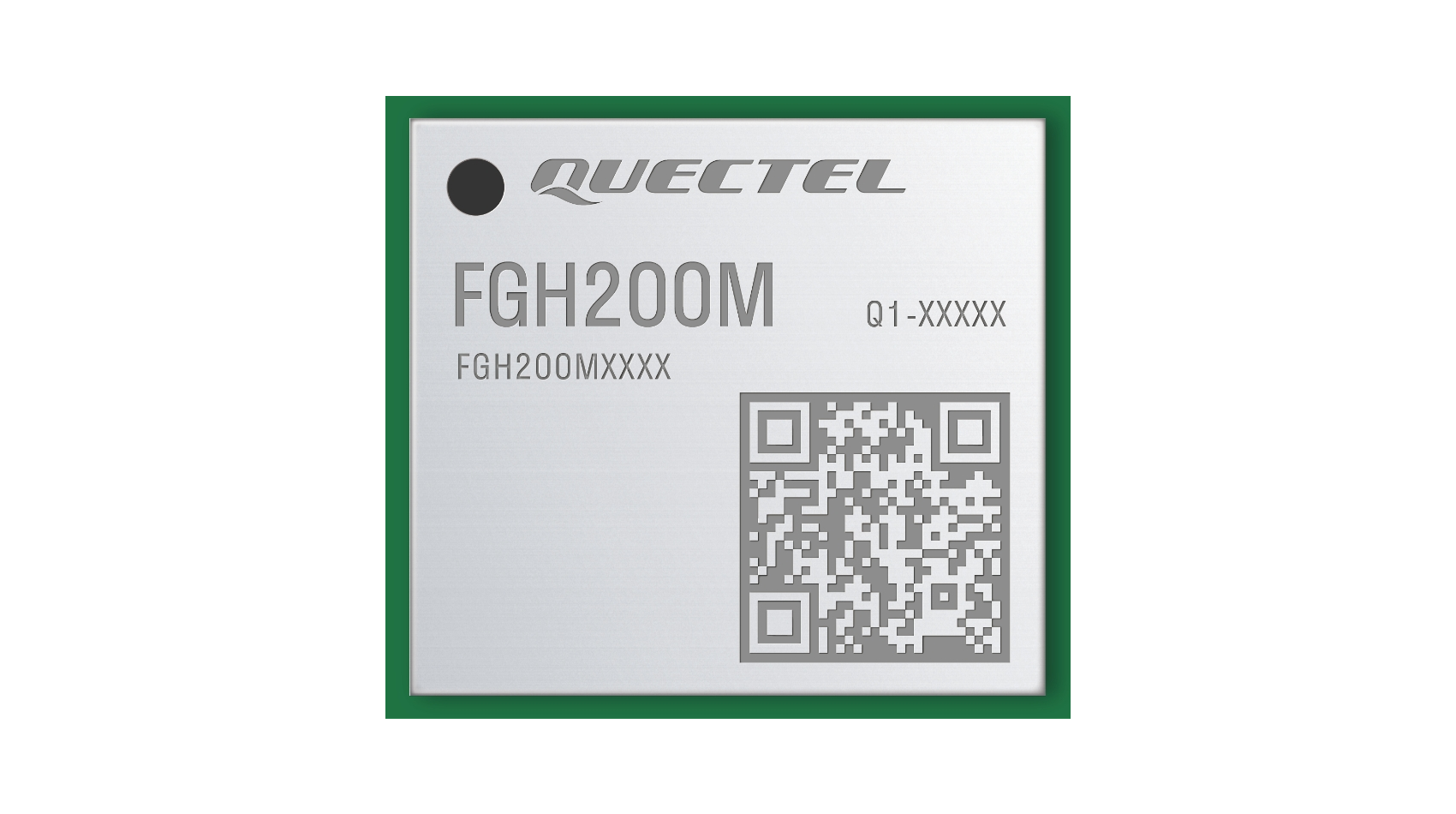
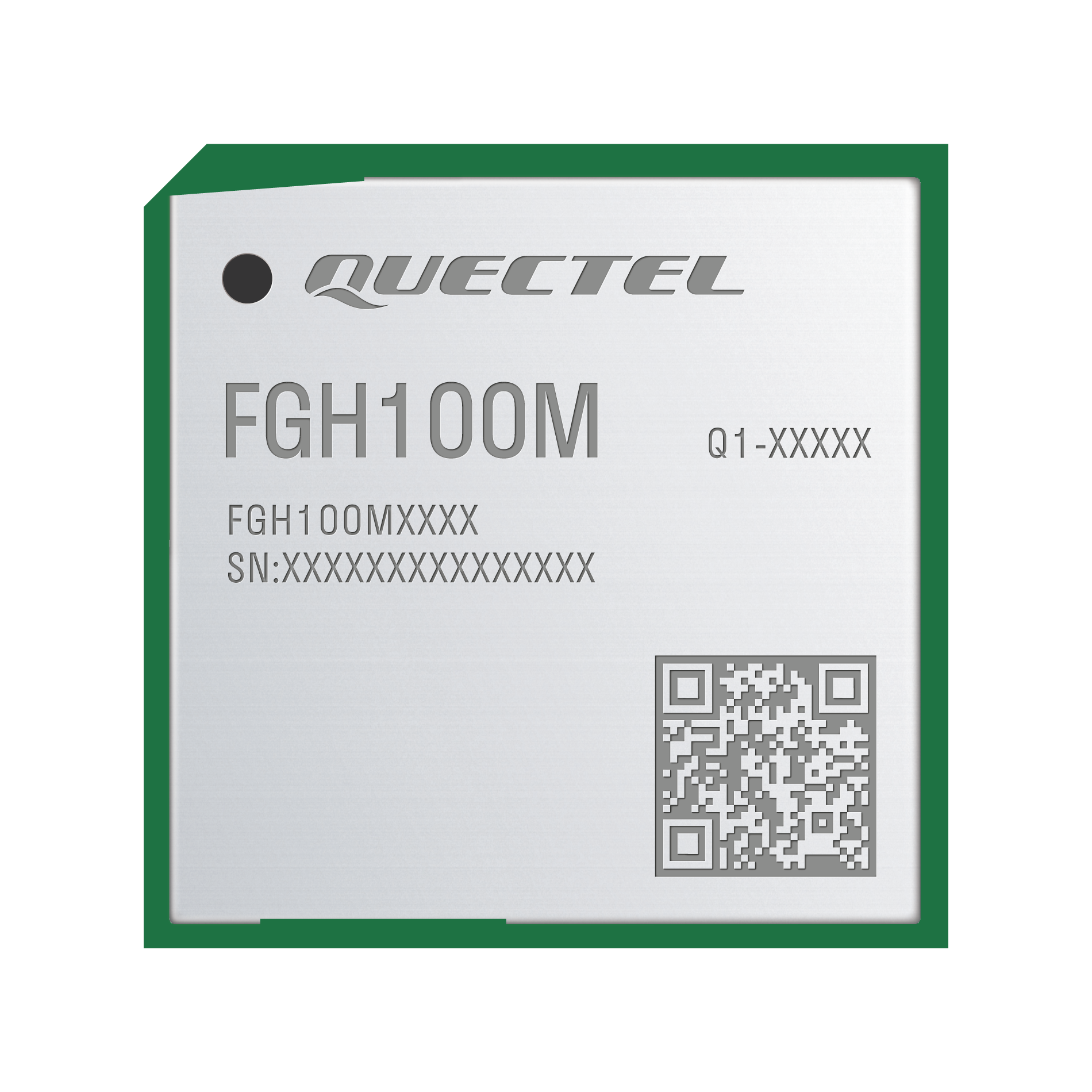
Presented by Thean Wooi Haur, a product development manager at Quectel, and Zandr Milewski, a principal community engineer at Morse Micro, the Masterclass reveals how Wi-Fi HaLow can be deployed into commercial products, detailing the module architecture, radio frequency and antenna considerations, and certification readiness that developers need to take into account. The Masterclass also provides information on Quectel’s FGH100M, FGH100M-H, and FGH200M modules, which take Wi-Fi HaLow from specification to a real-world technology that products can be designed around.
The speakers uncover the benefits of Wi-Fi HaLow in terms of familiarity and security and share how it fits into modern IoT deployments thanks to its long range, native IP support, WPA3 security, lower infrastructure costs, and improved power efficiency. The Masterclass, which can be viewed here, also compares HaLow with alternatives such as Bluetooth Low Energy (BLE), Zigbee, LoRaWAN and NB-IoT, presenting proof of performance under real-world conditions. The Masterclass provides an indispensable guide to taking Wi-Fi HaLow from a new technology to be evaluated to a mature, market-ready solution ready to be built into products.
Relevant products

Wi-Fi HaLow FGH100M-H