How to optimize intelligent IoT cameras for the video analytics era
Intelligent IoT cameras are bringing greater functionality than ever before to use cases from safety to video analytics. Typical applications extend from vehicle dashcams to systems that support robotics in warehouses. Today’s applications have moved on from simply catching images and now can work in dark factories, challenging environments, and extremes of weather. They simply connect using the best available wireless network technology and often utilize edge AI for processing inputs.
Analyst firm Transforma Insights sees AI-enabled video analytics as a key transition topic for 2026 and expects the use of video cameras and computer vision libraries to drive adoption of video and sensing use cases. Mordor Intelligence anticipates a compound annual growth rate for the IoT analytics market of 21.58% over the 2026-2031 period and projects revenues of US$49.36 billion in 2026. These views highlight the richness of analytics that the next generation of IoT applications depends on and point to the growing demands for intelligent IoT cameras in everything from smart doorbells to industrial monitoring and vehicle safety systems.
Relevant resources
A key challenge facing designers and developers is how to select intelligent cameras and integrate them into devices, taking into account the need for edge intelligence to process and act upon data on the device as well as linking to centralized cloud intelligence. Vehicle emergency systems, such as driverless trucks in mines, need to immediately apply emergency brakes if they detect a human in the vehicle’s pathway, for example, so latency-free decision making is a requirement. Therefore, questions such as how to ensure the image sensor can provide sufficient quality to support the use case need to be addressed.
From sensor to silicon
In addition, IoT camera developers need to balance resolution with the power demands of the image sensor to ensure battery-powered use cases can operate for long periods. Developers also need to understand the potential workloads intelligent cameras place on the device’s embedded intelligence. For example, the device may need to accommodate a dedicated chip to support image workloads.
Quality of the image is also an essential consideration. Some cameras will need to work in dark warehouses or at night, so low-light requirements are key considerations. Often, development only considers daylight performance, and issues with failing light are obscured until late in the development process.
All of these challenges and insights into how to optimize intelligent camera design and component selection are detailed in a new Quectel Masterclass titled ‘Designing intelligent IoT cameras: from concept to mass production’. The Masterclass, which can be viewed here, takes viewers through the main design choices, revealing how to pick the best smart module for video processing and how to tune cameras for development and mass production.
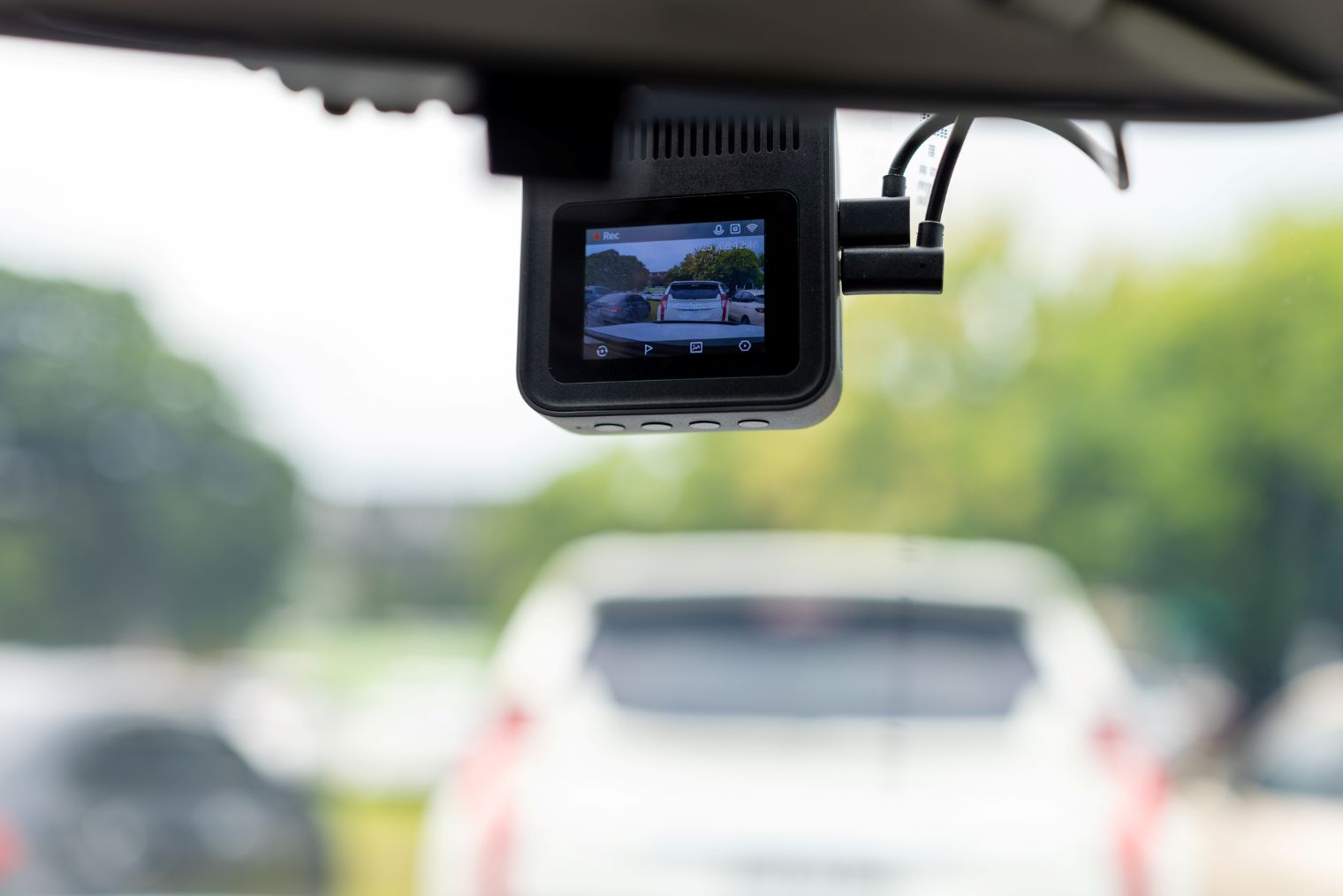
The Masterclass, which is presented by Zeljko Maric, Product Development Manager at Quectel, and Chad Bohlmann, Director of Technical Sales North America at Ikotek, provides an indispensable overview of the modern camera markets, details camera component selection and capability criteria, shares edge AI and processing needs, and provides a real-life use example with a dashcam design. The Masterclass also features insight into how to efficiently address different light levels and dark environments.
Relevant products
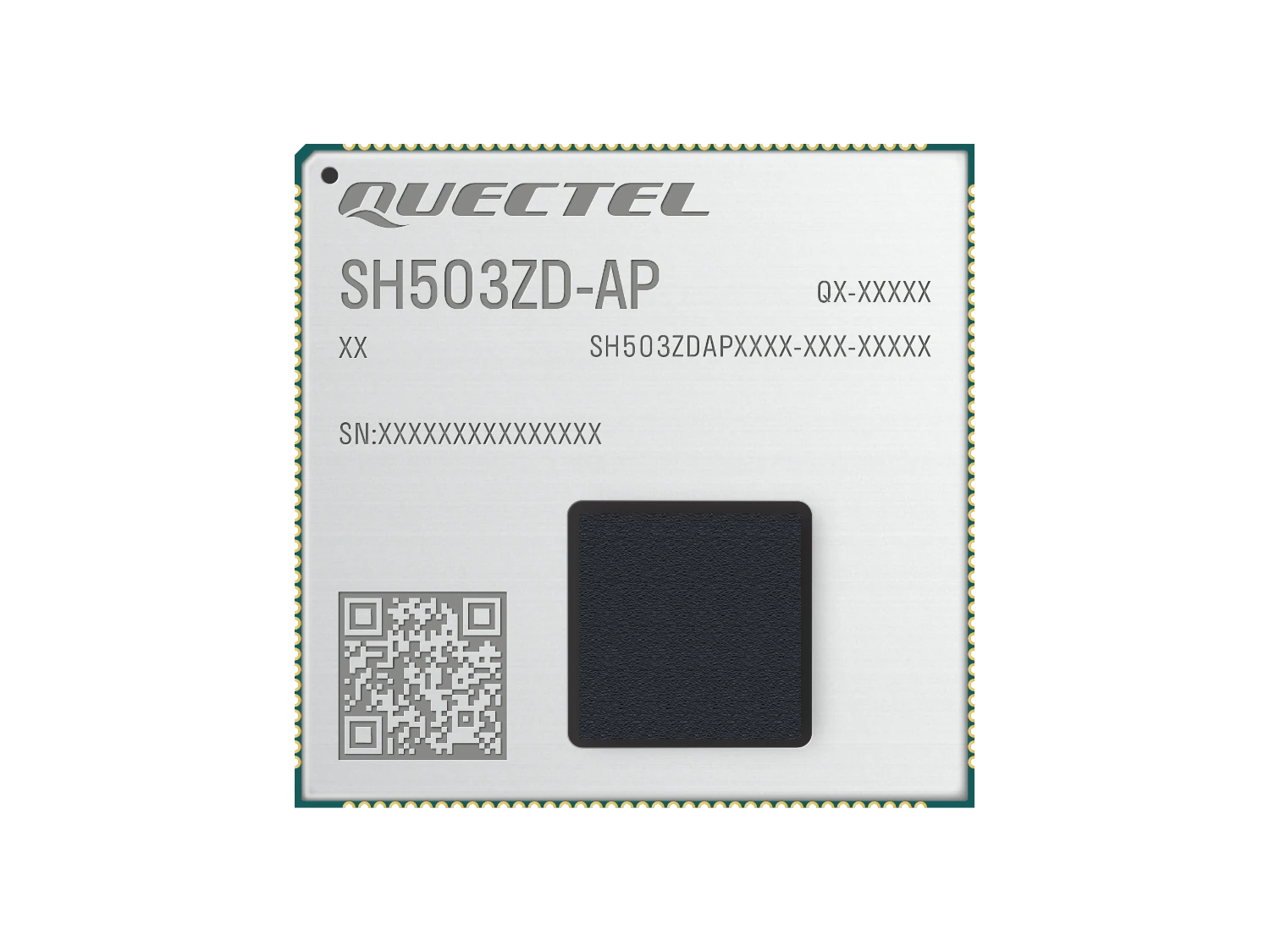
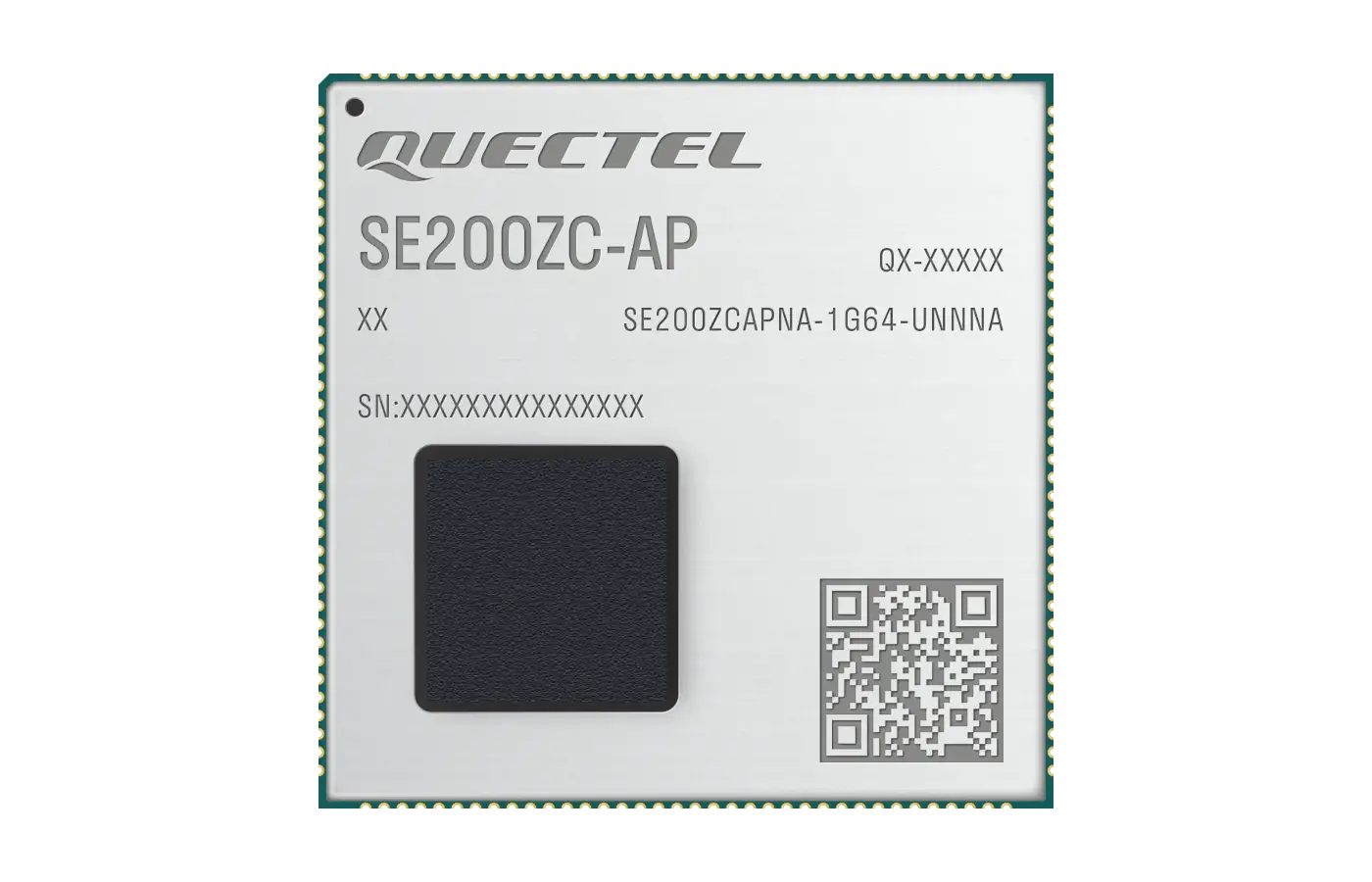
SH503ZD-AP smart module
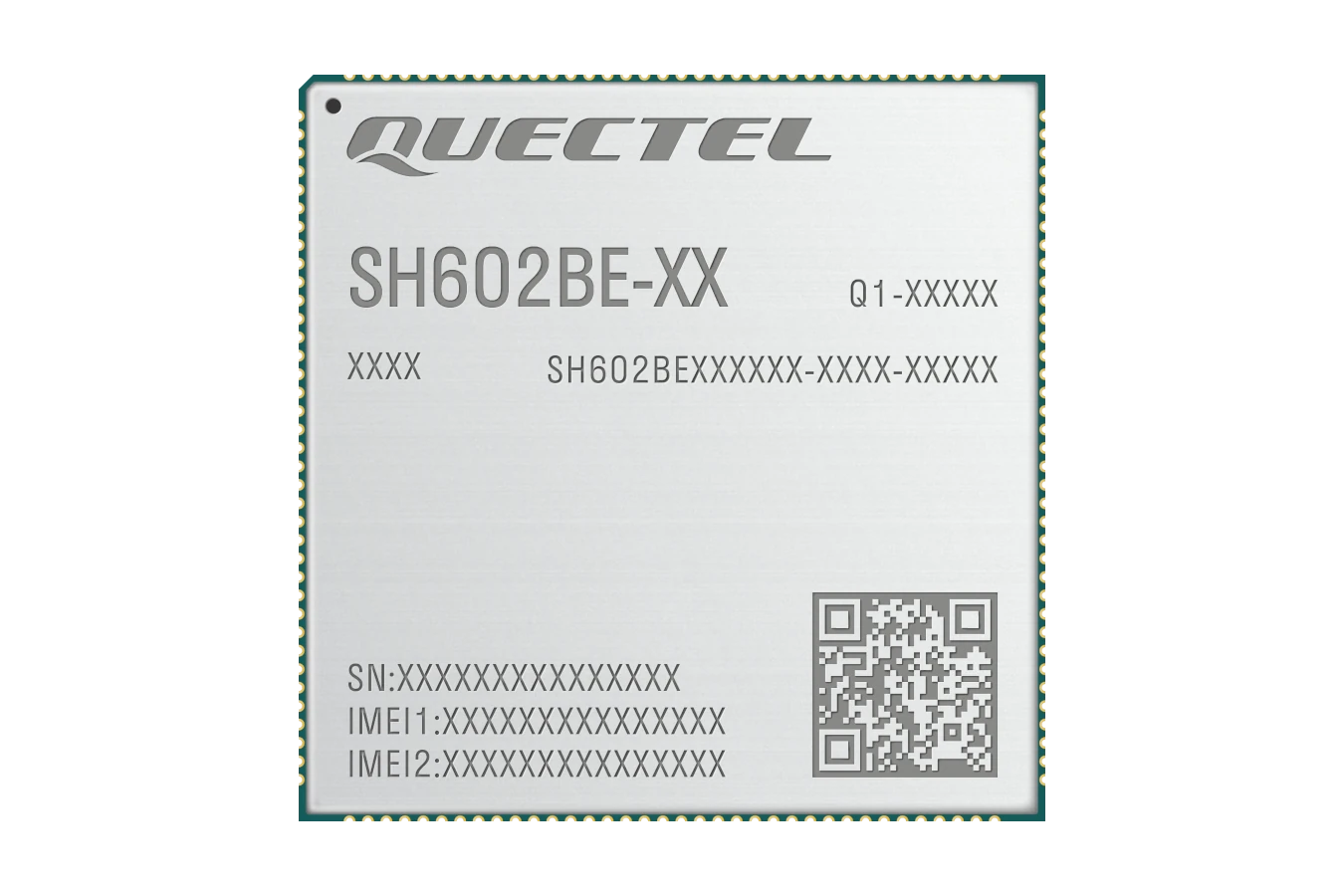
LTE SH602BE smart module series