Global coverage becomes a reality for IoT devices with Direct-to-Cell connectivity
The momentum being seen in the Direct-to-Cell market among consumers is seeing millions of monthly users adopt the technology to ensure they receive coverage when there is no cellular infrastructure present. Juniper Research says there were 17.4 million monthly active users of the technology and this is set to rise to 133.1 million total monthly active users in 2031. That represents a compound annual growth rate (CAGR) of 50.2%. Although this covers the consumer market, there are potentially greater use cases for Direct-to-Cell communication in IoT.
Direct-to-Cell is built on LTE standards, which enables devices with LTE Cat 1, Cat 1 bis, and Cat 4 modules to connect directly to satellites without additional, specialized satellite hardware, provided they support operation bands in the intended service countries. This means the installed base of LTE-enabled IoT devices has the potential to access Direct-to-Cell satellite connectivity from providers such as Starlink Mobile. Industries across logistics, agriculture, maritime, and environmental monitoring, plus many others, are set to reap the benefits of affordable satellite coverage to cover remote areas, with cost-effective cellular connectivity most widely used.
The market is still at an early stage but maturing rapidly as the relationships between satellite operators and mobile networks develop. This is seeing plans become available via global partners in approved countries and contributing to enabling true global coverage for IoT devices. Millions of devices can now connect using Direct-to-Cell technology in remote locations with no need for manual equipment checks.
Relevant resources
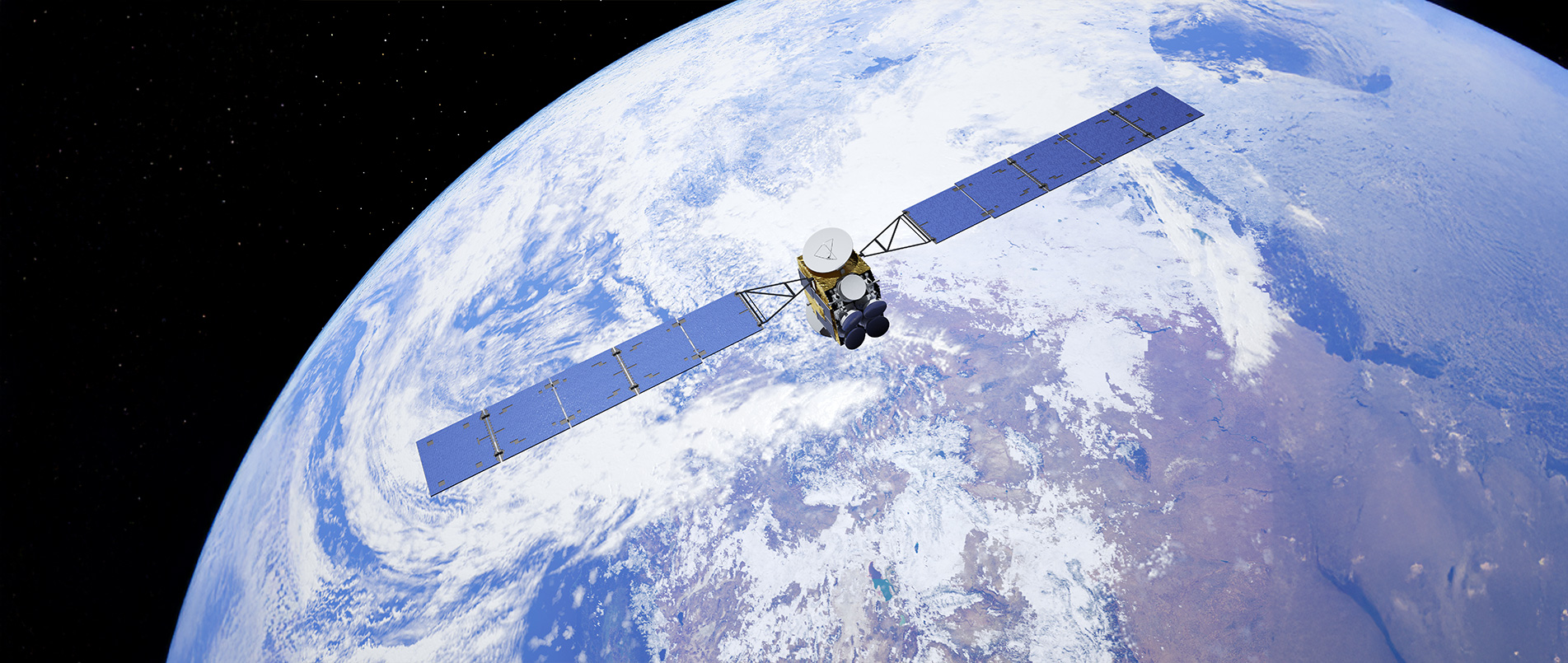

These advantages come with significant added complexity for designers to address. Satellite connectivity involves longer communication distances, intermittent coverage as satellite capacity traverses the planet, and increased latency. Direct-to-Cell IoT device engineers, therefore, need to consider the impacts of satellite connections on power consumption, antenna performance, and radiofrequency sensitivity.
Holistic device design
It is possible to optimize firmware to help manage intermittent coverage efficiently, but this relies on carefully selecting modules that can support satellite capabilities. In addition, overall device form factor, environmental conditions, and link budget constraints can all impede performance. Reliable, energy-efficient operations, even in challenging environments, can be supported if a holistic approach to device design is taken.
Holistic approaches have been detailed in a recent Quectel Masterclass titled ‘Direct-to-Cell IoT: Designing satellite-ready devices for global coverage’. The Masterclass, which can be viewed here, details how developers can reduce complexity and time to market while also optimizing radio and antenna integration. The webinar, presented by Honor Wang, Cellular IoT Product Manager at Quectel, and Andrew Thompson, Co-Founder and Director of APIS Solutions, which supplies operations management solutions to commercial beekeepers, explains the background of Direct-to-Cell IoT and provides an overview of the ecosystem.
It also highlights design considerations for satellite-ready IoT devices and explains the key technical challenges that engineers and developers face when designing devices for Direct-to-Cell connectivity.
Watch the Masterclass now to learn how to accelerate your deployment with cellular modules and integrated solutions.

