Why your 5G signal disappears indoors – and how DAS antennas fix it
5G delivers ultra-fast mobile broadband speeds coupled with very low latency and that revolutionizes connectivity for users on the move. However, when they go indoors, limitations inherent to higher frequencies, especially mid-band and high band, result in weaker penetration through walls, greater sensitivity to obstacles such as glass, concrete and metal, and higher signal loss. The trade-off for 5G’s blistering outdoor performance is that some indoor environments become connectivity black holes.
With users typically spending 80-90% of their time indoors, buildings need to address this connectivity gap by bringing 5G’s outdoor performance indoors. There are several ways to improve indoor performance but many bring flaws of their own to the experience. While a simple solution could be to encourage greater reliance on Wi-Fi, that only addresses users’ data transmission requirements, it doesn’t provide the same mobility, voice quality and security as 5G.
Another option is to densify the outdoor 5G network by adding more outdoor antennas. Increasing the number of outdoor macrocells doesn’t effectively address the challenge because these are designed for wide coverage outdoors, not for deep indoor penetration. In addition, macro-cells are expensive to deploy so mobile network operators would see significant infrastructure cost increases for little uplift in indoor 5G performance.
Relevant products
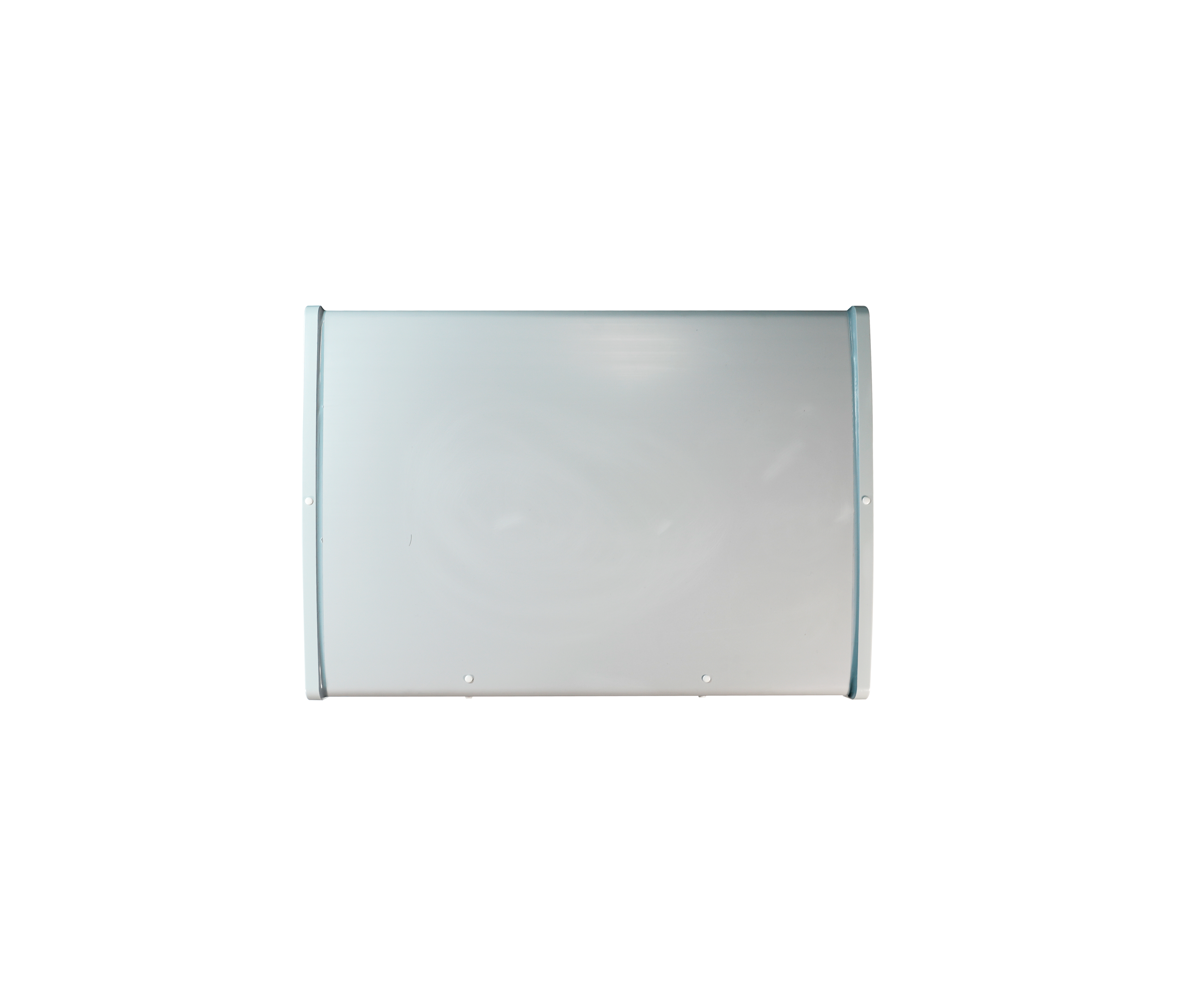
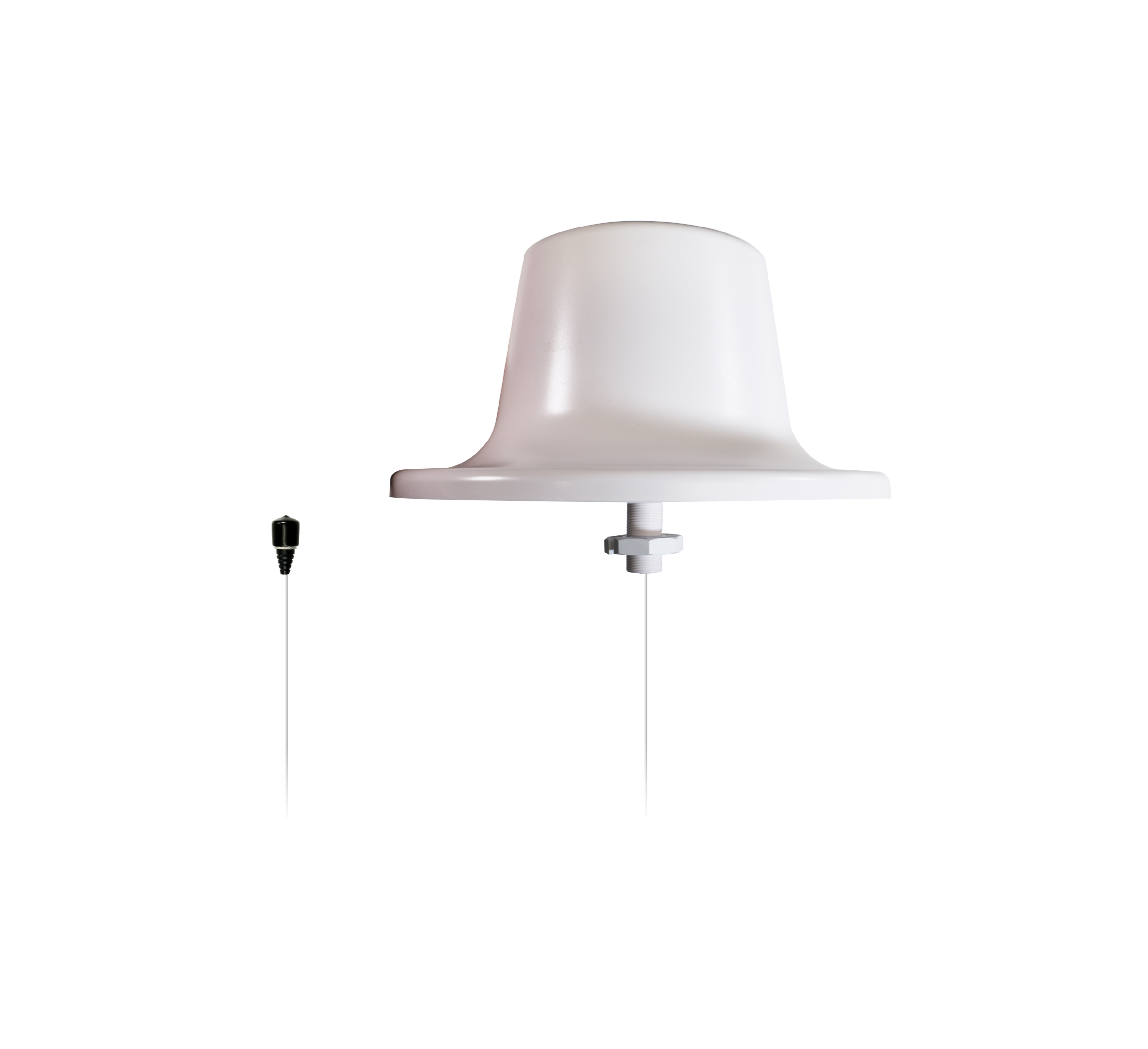
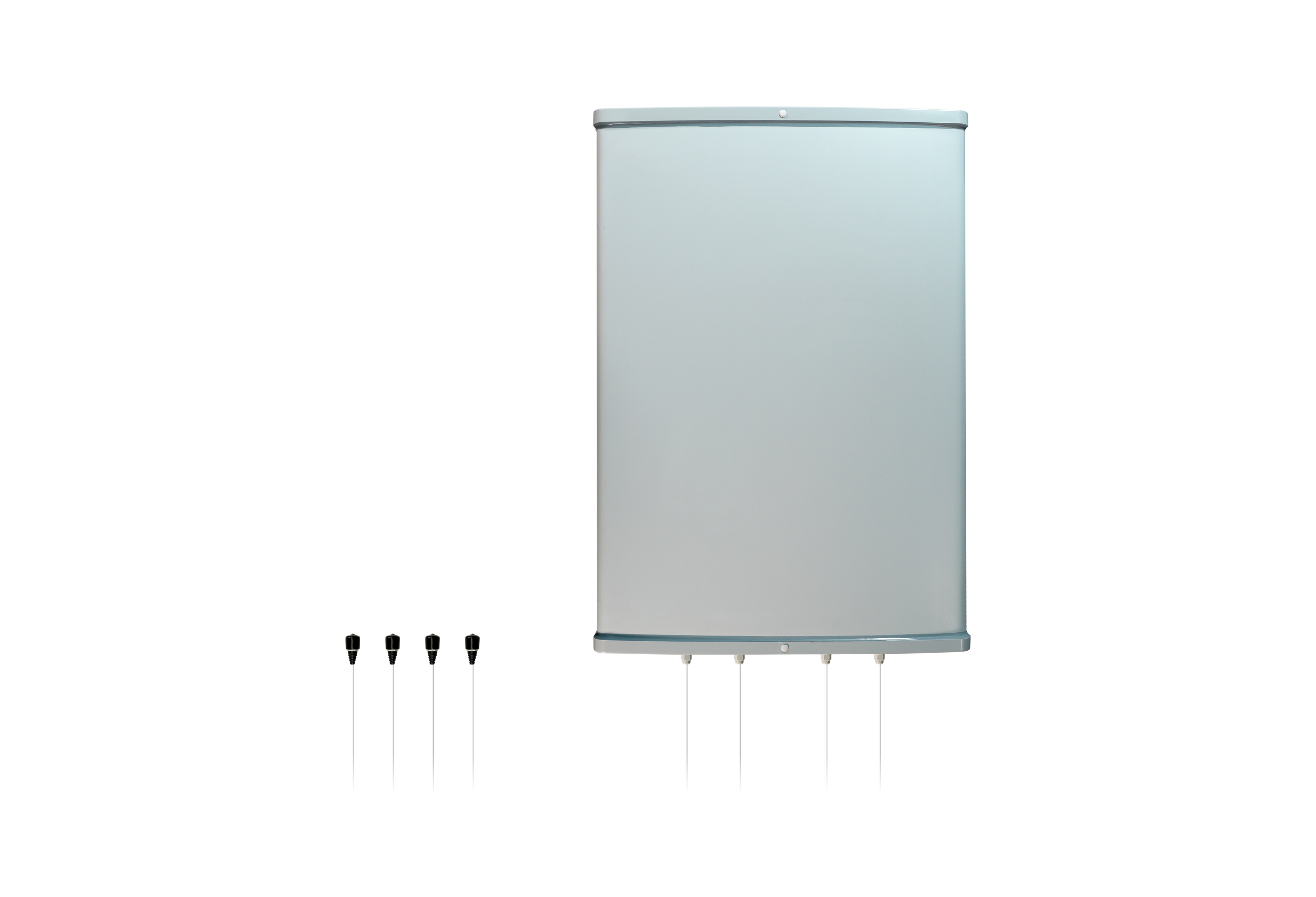
The future is distributed
Distributed antenna systems (DAS) in contrast address all the issues without introducing further challenges. A DAS effectively brings the signal inside the building and then distributes it via multiple strategically-placed antennas in ceilings, walls and corridors to provide highly localized coverage to where users are inside buildings. DAS turns one strong external signal into many small signals that are closer to users resulting in stronger indoor coverage, more stable connections and better user experiences.
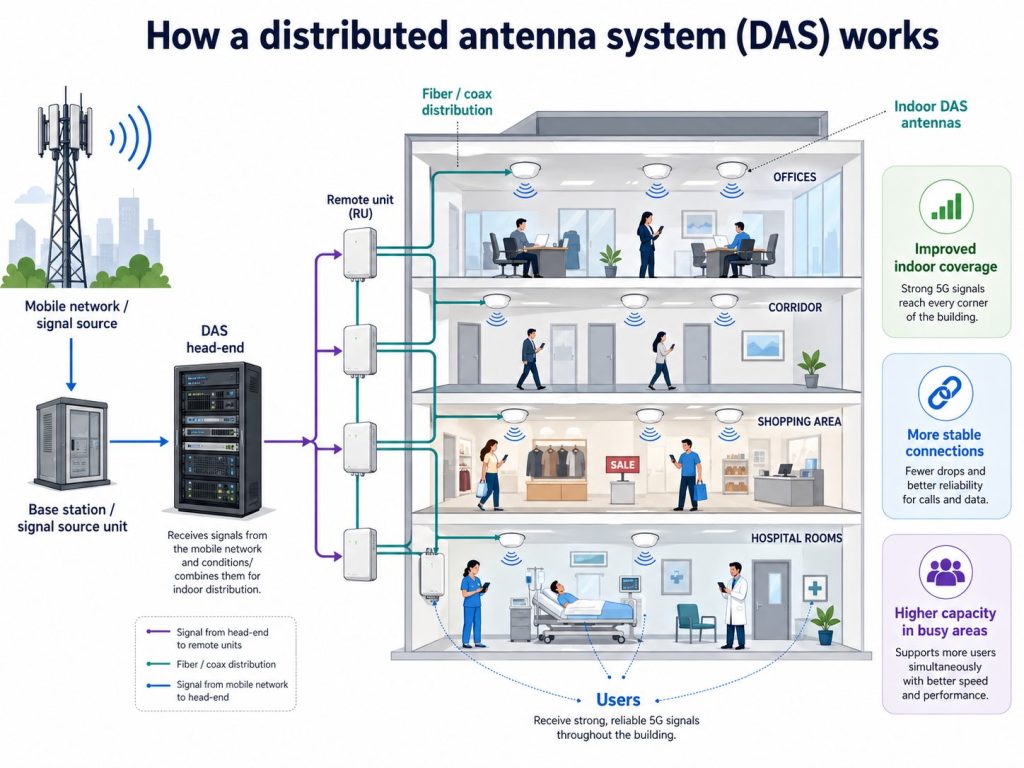
Inevitably, there is a cost to deploying DAS but building owners typically find this relatively modest investment worthwhile for attracting tenants while enterprises see the uplifted performance as well worth the expense. DAS aren’t needed everywhere, they’re really only suitable for high-demand environments in which the performance they provide is critical. Typical DAS deployments include office buildings, shopping malls, airports, stadiums, underground metro transport and hospitals.
The key characteristics include high user density, complex building layouts and critical connectivity needs. These scenarios typically suffer without DAS because connectivity quickly collapses as volumes of users overload the limited capacity that reaches them indoors.
Optimization with DAS antennas
Simply choosing to deploy DAS is not the end of the challenge of effectively addressing 5G indoor connectivity. Selecting the correct antennas is essential to optimize DAS performance in addition to choosing the best system for your deployment. Antennas are instrumental in realizing the potential performance of DAS.
Key factors include optimal placement of antennas. If they’re too far apart, coverage dead zones are created and, if they’re sited in areas of low traffic, their capacity is wasted. The type of antenna chosen is also important. Omni-directional antennas help to bring coverage to the widest area while directional antennas can be used to pinpoint areas of high demand.
Antenna design is also important for both performance and aesthetic reasons. Consider antennas that can be discretely mounted in ceilings with low profiles or how antennas can be aesthetically integrated with the look and style of a room. Finally, assess the performance criteria. What gain, efficiency and passive intermodulation (PIM) does the antenna offer? Also, don’t forget that a poorly designed antenna layout can kill an otherwise good DAS deployment.
Enhanced indoor experiences
As networks evolve with wider deployment of 5G and later 6G, usage of higher frequencies will increase and indoor challenges will grow even as user expectations for high-performance surge. DAS antennas are ready to address this with more compact options that offer better integration into buildings and can support needs for more critical network performance. With increased reliance on high-performance cellular connectivity, indoor experiences have become a core part of network design.
In the end, it comes down to physics. If your 5G signal disappears indoors, it’s not a mystery, the right infrastructure – in particular, well-designed DAS – can provide a comprehensive solution. Overall network performance is only strong if it’s delivered where people want to use it and DAS is a critical enabler of this in high-demand indoor locations.