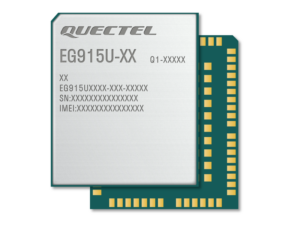
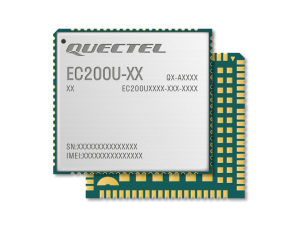
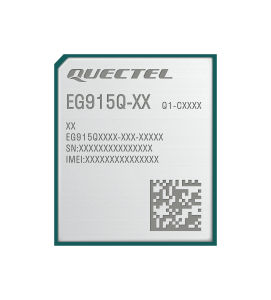
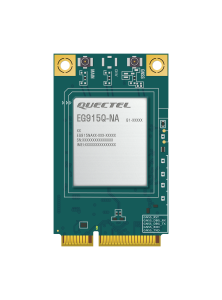
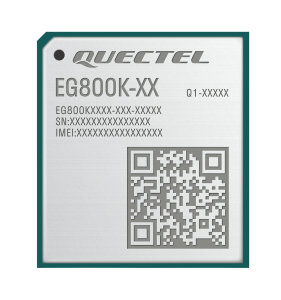
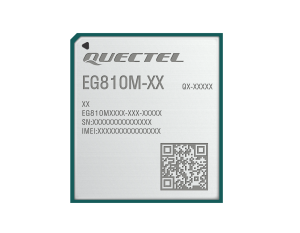
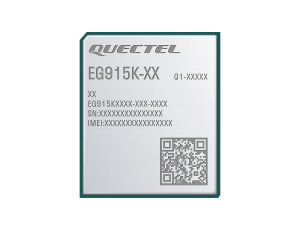
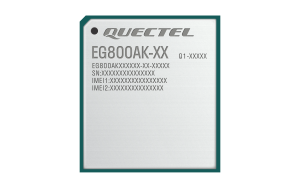
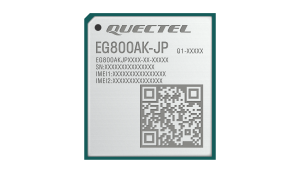
4G modules: LTE Cat 1 bis
Featured products

Relevant industries

Related hardware
Events

LTE Cat 1 bis is a form of cellular technology designed to connect the large middle tier of 4G IoT devices that need dependable performance without the complexity and cost of higher-end LTE variants. In terms of speed and power it sits between LPWA technologies such as LTE-M and NB-IoT and higher LTE categories – supporting voice, messaging, and data transfer at moderate speeds. LTE Cat 1 bis modules enable firmware updates, location reporting, and real-time communication in cost-efficient IoT products.
Use of LTE Cat 1 bis is expanding rapidly, and it is expected to remain a core IoT connectivity option well into the next decade while LTE networks continue to operate worldwide. The technology offers data rates of 10Mbps downlink, low latency, and strong mobility support, with a single antenna design. This creates an attractive balance of performance, efficiency, compactness, and cost compared with LTE Cat 4, LTE-A or 5G solutions.
Devices such as point-of-sale terminals, smart meters, security alarms and industrial handheld scanners commonly use LTE Cat 1 bis. Industries using LTE Cat 1 bis technology include retail, logistics, smart cities, utilities, and healthcare. Delivery drivers, shop staff, building managers, and many others rely on Cat 1 bis devices to process payments, monitor energy use, protect property, track valuable goods, and more.
This technology opens new commercial opportunities for mid-tier IoT applications that require enhanced performance at low cost, while ongoing advances in chipset efficiency and roaming support will further strengthen the ecosystem. Our LTE Cat 1 bis modules provide compact form factors, global frequency support, and long product lifecycles. Meanwhile, our design expertise, certification support, and broad product portfolio make Quectel the ideal end-to-end IoT solutions provider for device developers planning to build reliable connected devices in this space.
LTE Cat 1 bis use cases include:
- Asset trackers
- Data cards
- Energy monitoring
- Home automation
- Industrial routers
- Industrial PDAs
- Point-of-sale (POS) terminals
- Security panels
- Smart meters
- Vehicle telematics units