Is connectivity on track for a non-terrestrial future?
Non-terrestrial networks (NTNs) are increasingly seen as a means to bring wireless network coverage to previously unsupported areas while avoiding the expense of traditional satellite connectivity. The technology is being utilized to extend existing cellular network coverage by augmenting it with additional assets on the ground, in the air and in space. These assets include satellites, low and high altitude platforms (LAPs and HAPs), composed of drones and balloons, and fiber links to connect land stations and laser-optical technology to connect satellites.
Key performance criteria for NTNs are the ability to offer network speeds of more than 20Gbps and a key benefit is that NTNs can be used to enable connectivity from any location, including airborne vehicles. Current NTNs use NB-IoT for use cases that require low power consumption and low data while 5G is increasingly being used to support higher data rates. A big difference here is that tracking a farm animal, such as a cow, would not be viable utilizing satellite connectivity but it is feasible with an NB-IoT NTN service.
The technology is therefore set to open up use cases by enabling connectivity to be provided for the first time. Use cases in agriculture are widely anticipated across crop and soil monitoring and for energy use cases such as predictive maintenance for wind turbines. Other use cases for non-terrestrial networks include remote monitoring, such as monitoring water and other environmental indicators for scientific research.
Related products
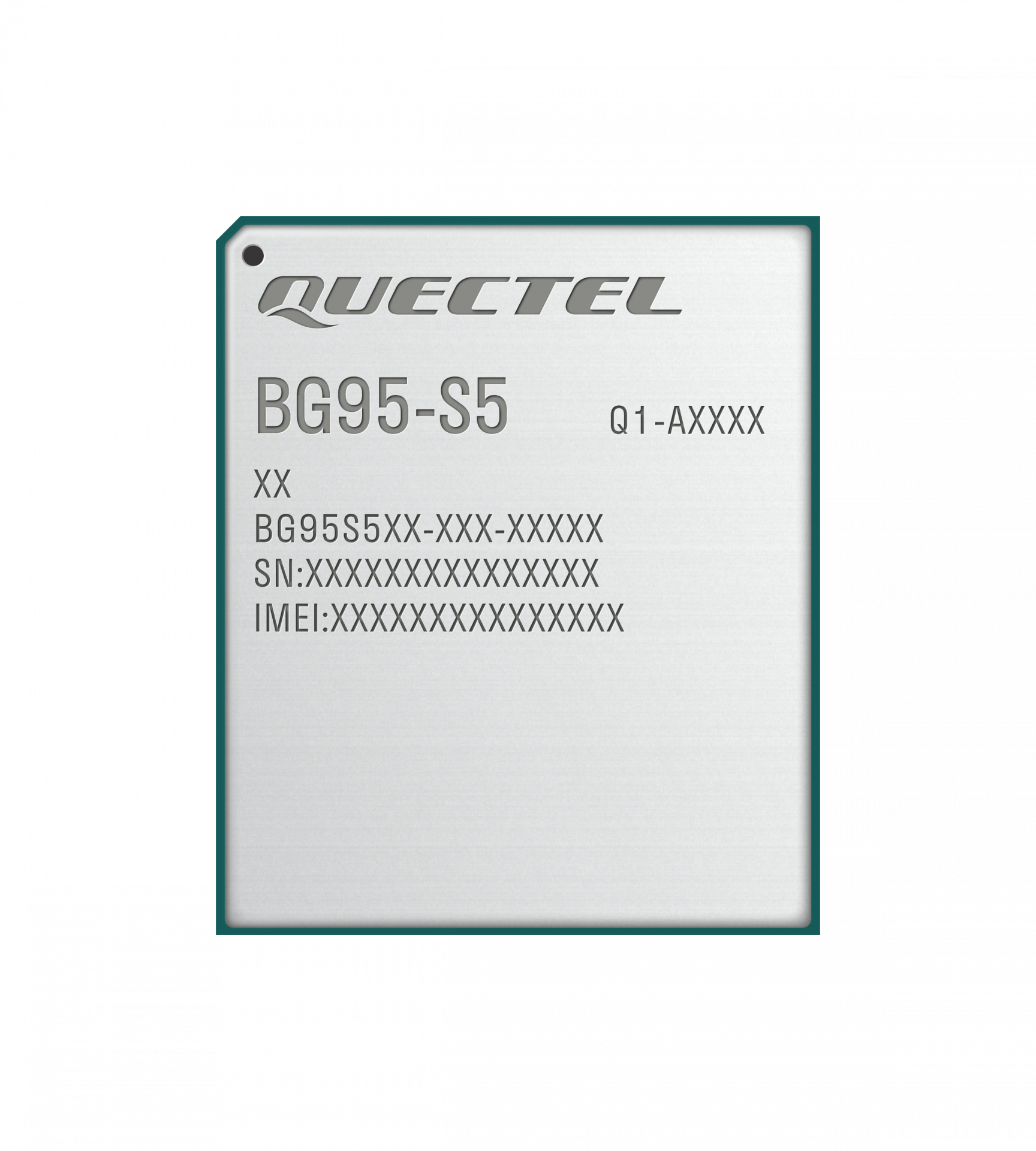
BG95-S5 satellite communication module
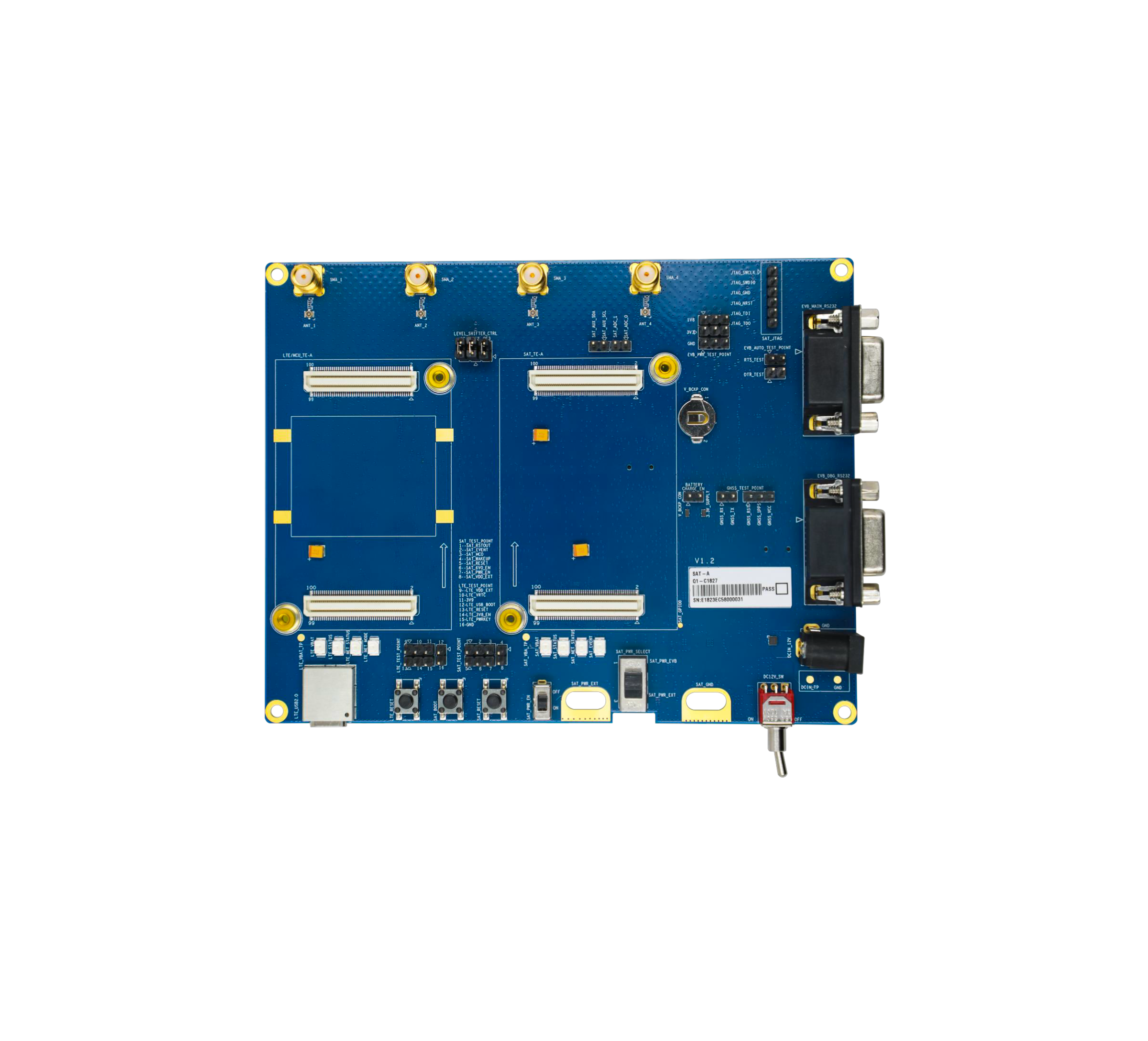

BG770A-SN satellite communication module
At the other extreme, 5G New Radio (NR) is being utilized in NTNs. NR NTNs are suitable for mission critical use cases because they can support real-time communication and fast responses. The automotive sector is also using NTN NR in the development of autonomous driving and for vehicles with advanced telematics.
Non-terrestrial networks present an appealing technology for filling out coverage black spots by addressing the gaps between cellular and fiber infrastructure. It offers an appealing means to bring the benefits of global coverage that satellite offers at a lower cost and with lower energy demands to support a widening range of use cases.
The technology’s appeal has been further highlighted in a recent Quectel Masterclass titled ‘NTN trackers: Use cases, challenges and solutions’. The Masterclass reveals how NTN ensures global tracking coverage can be achieved with reduced complexity and cost, detailing how NTN trackers extend asset visibility without requiring developers to design in separate support for terrestrial and satellite connectivity. This reduces cost and complexity.
The Masterclass, presented by Dejan Gvozdanovic, product development manager (EMEA) at Ikotek, and Sam Cutter, head of EMEA carrier business strategy at Quectel, sets out how NTN has evolved to enable new use cases. The Masterclass explores the current challenges the technology faces and details the future roadmap while sharing implementation issues and how to address these.
A particular focus is on non-terrestrial network tracker applications and use cases which are among the earliest deployments. Use cases such as fleet vehicle trackers, environmental sensor trackers and personal safety NTN tracker beacons are detailed. The Masterclass can be viewed here.