Ask the Quexperts: How to choose the right system-on-chip (SoC) for your IoT project – what engineers need to consider

The trend toward greater on-device and edge intelligence is seeing greater adoption of smart module and system-on-chip (SoC) solutions for IoT projects. The ability to combine multiple functions across processing, power optimization, connectivity, and security into a single component can streamline product design and simplify manufacturing. On the flipside, there are significant variables with SoCs for engineers to consider and the stakes are raised because SoCs impact on multiple performance-affecting aspects of overall device operations.
The wrong product selection can result in devices that lack the processing power to support future use cases, the connectivity flexibility to adapt to changing needs during the life of a deployment, power consumption that shortens the product’s in-service life, and constrained access to a wider ecosystem. Engineers should therefore take care to balance the processing, efficiency, long-term scalability, cost, and security capabilities of an SoC.
Relevant products
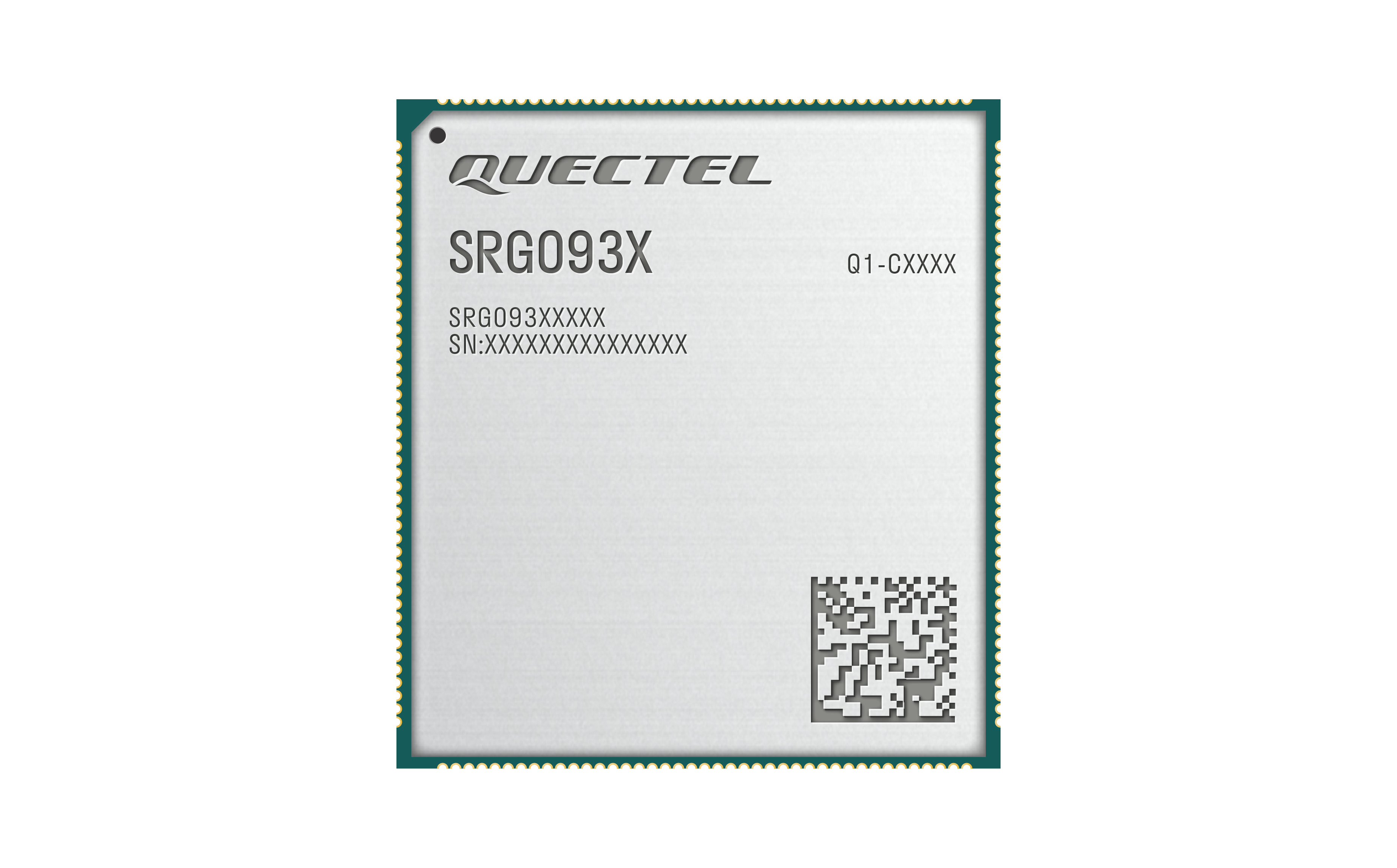
SRG093X NXP i.MX93 SOC module series
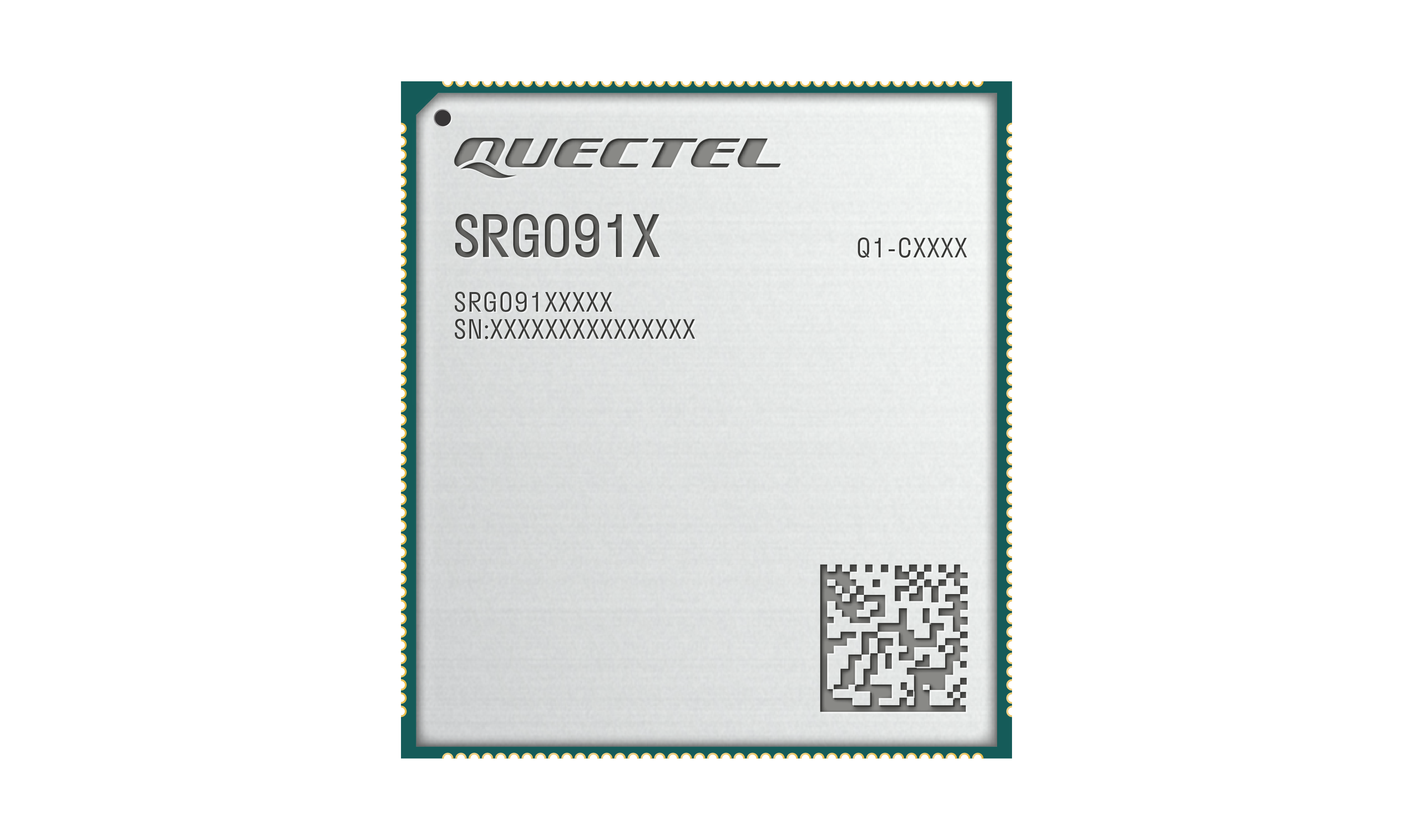
SRG091X NXP i.MX91 SOC module series
Key considerations to assess include:
The processing power
Engineers need to ensure the compute and graphics processing capabilities in the form of CPUs and GPUs meet the needs of their applications. These can extend from basic sensing to edge AI and multimedia processing. You should also keep an eye on your potential needs to ensure the system-on-chips (SoC) they select is able to support likely workloads if tasks become more demanding.
Energy efficiency
With many IoT devices battery-powered and always-on to support application needs, the chosen SoC needs to be able to optimize power consumption to enable battery life to be extended as long as possible. This is essential to ensuring long lifespans for devices and a critical part of ensuring intelligent operations can be run on the device without interruption or maintenance of batteries.
Wireless protocol support
Flexibility is a prerequisite for ensuring the most appropriate connectivity can be accessed by the device. This will depend on the deployment scenario and the nature of the data the device needs to receive and send. SoCs that integrate a wide range of connectivity technology options offer the widest applicability and future-proof networking. Native support for 4G and 5G, Wi-Fi, Bluetooth, GNSS, and low power wide area network (LPWAN) technologies helps to simplify design and ensures reliable connectivity is available to the device.
Cost
System-on-chips (SoC) are known to be more costly components than traditional, non-smart modules and other components, but they can be highly cost-effective overall solutions. If you look beyond component price and consider the development effort that would be needed to integrate multiple different components into your device, the SoC starts to look like good value. Add to that the challenges of accommodating different components from different vendors into a device and then managing those over the device’s lifecycle costs and what initially appears expensive actually turns out to be cost effective.
Security features and ecosystem support
SoCs are sophisticated components that can deliver significant benefits and high performance across processing, graphics, networking and energy efficiency, so selecting an SoC from a vendor that has proven market presence should ensure you can optimize your device’s performance. SoC vendors should offer strong SDKs, provide comprehensive, regularly updated OS support, documentation and additional vendor support to help you accelerate development and reduce your risk.
Look out for these essential attributes to ensure you select a system-on-chips (SoC) that has the capabilities you need for your application today but also to support it throughout its life with upgrades, power efficiency and the flexibility to adapt to changing market conditions.